

Quick Take
- Anti‑inflammatory: Curcumin (turmeric’s key active) lowers C‑reactive protein and post‑exercise muscle soreness in athletes.
- Heart & metabolic support: Human studies report modest reductions in blood pressure, LDL‑cholesterol and insulin resistance.
- Prostate protection (early evidence): Laboratory and early‑phase clinical data suggest curcumin may slow prostate‑tumour growth.
- Ageing well: As a broad‑spectrum antioxidant, curcumin features in umbrella reviews on healthy ageing.
Need‑to‑know: Turmeric is generally safe at 500 – 2,000 mg curcumin/day, but it can thin the blood and is not suitable for men with gall‑bladder disease or those on anticoagulants.
Turmeric & Curcumin
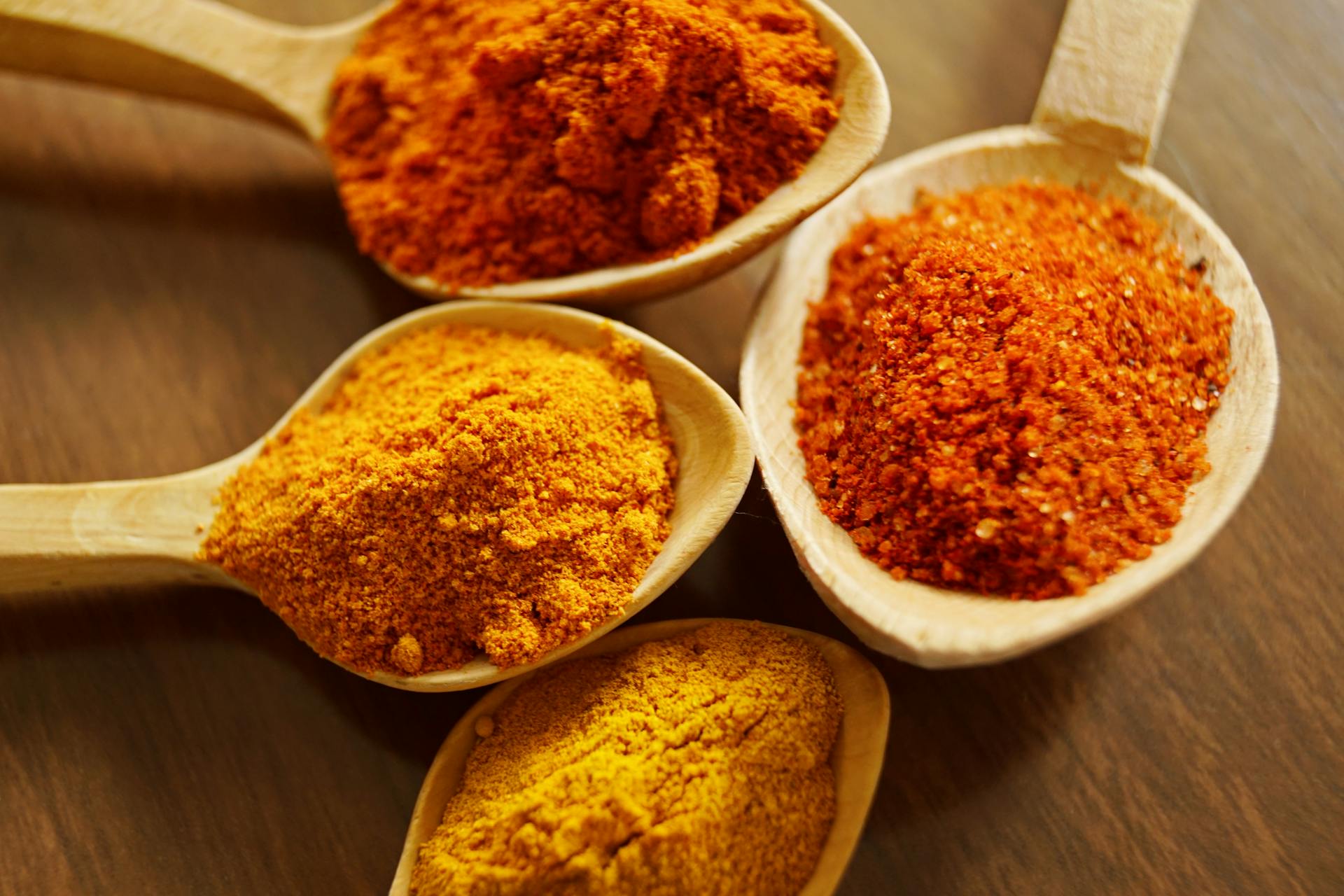
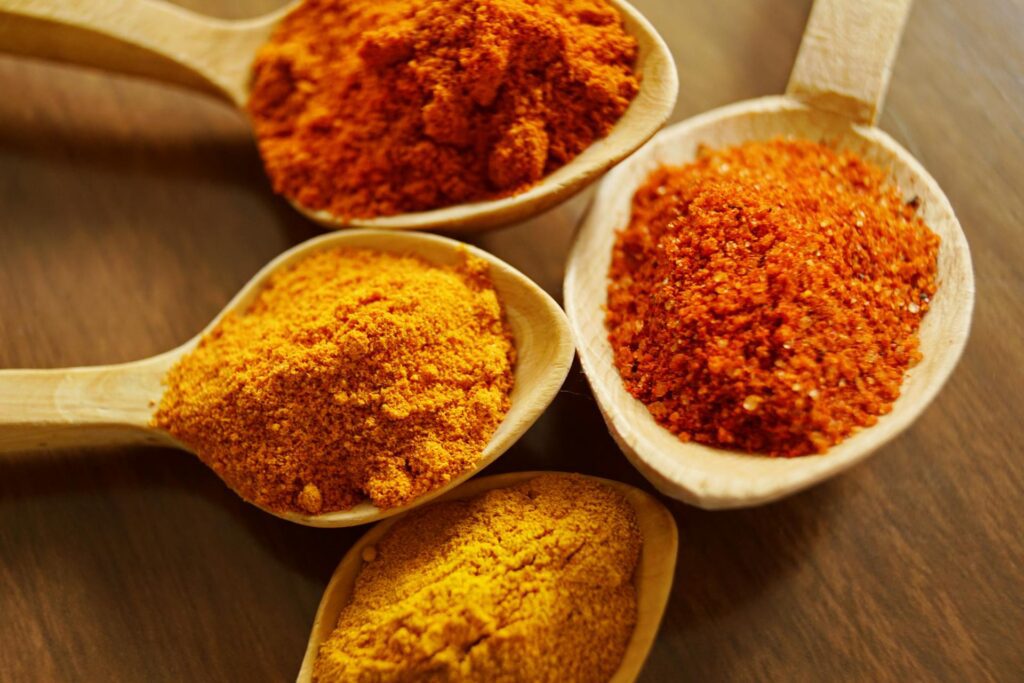
Turmeric (Curcuma longa) is the golden spice that gives curry its colour. Most modern supplements standardise for curcumin, the polyphenol responsible for turmeric’s anti‑inflammatory and antioxidant properties. Because curcumin absorbs poorly, look for formulas that include piperine (black‑pepper extract) or use phytosome/novel delivery technologies for 5–20× better bioavailability.
Why Men Are Turning to Turmeric
Joint comfort & faster recovery
Struggling with creaky knees after football or intense gym sessions? A 2023 double‑blind trial in elite footballers found that 150 mg curcumin phytosome, twice daily for eight weeks, cut CRP (a systemic inflammation marker) by 21% and reduced next‑day muscle soreness compared with placebo. Similar benefits have been observed in resistance‑training studies, where curcumin curtailed creatine‑kinase spikes and DOMS. Less inflammation means more consistent training and quicker progress.
Heart & metabolic health
Cardiovascular disease remains one of the leading causes of death for UK men. A 2024 randomised study showed turmeric concentrate lowered systolic blood pressure by 4 mm Hg and improved arterial compliance in middle‑aged adults. Meta‑analyses also indicate curcumin may trim LDL‑cholesterol by ~0.3 mmol/L, reduce fasting glucose and improve insulin sensitivity – handy if you carry extra mid‑section weight.
Prostate & reproductive health
While research is still emerging, laboratory work and early human data suggest curcumin inhibits key signalling pathways in prostate‑cancer cells and may slow PSA progression. That’s promising, but doses and formulations vary widely, so curcumin should complement—not replace—NHS‑recommended screening and treatment.
Hormone balance & testosterone myths
You’ll see blogs claiming turmeric “boosts testosterone”. Reality check: in vitro research shows curcumin actually suppressed testosterone production in prostate tissue by down‑regulating AKR1C2. No quality human trials show a curcumin‑induced testosterone rise. Its value lies elsewhere—think inflammation control, not hormone hacking.
Healthy ageing & antioxidant defence
An umbrella review released in June 2025 collated 200+ trials and concluded that oral curcumin (up to 2 g/day) consistently improved oxidative‑stress biomarkers and quality‑of‑life measures in adults over 50. That fits with population data linking spice‑rich diets to lower rates of degenerative disease.
How to Use Turmeric Effectively
| Goal | Curcumin dose* | Format tips |
|---|---|---|
| Everyday wellness | 500 – 1,000 mg | Capsules or gummies with 5–10 mg piperine |
| Joint recovery | 1,000 – 1,500 mg split AM/PM | Phytosome or nanoparticle liquid for rapid uptake |
| Cardiometabolic support | 1,000 – 2,000 mg | Take with a main meal containing fat |
*Expressed as standardised curcumin (not raw turmeric).
- 1 tsp ground turmeric ≈ 200 mg curcumin, but absorption is < 5 %. Combine with black pepper and olive oil for increased absorption.
- Cycle your intake: 8–12 week blocks with 2–4 week breaks minimise tolerance and allows you to monitor results.
Safety, Side‑Effects & Interactions
Most men tolerate curcumin well, yet high doses (≥ 4 g/day) may trigger digestive discomfort or, rarely, elevated liver enzymes. Check with your GP or pharmacist before supplementing if you:
- Take anticoagulants/antiplatelets (warfarin, aspirin).
- Have gallstones, bile‑duct obstruction or liver disease.
- Are awaiting surgery (stop two weeks beforehand).
- Use diabetes medication—curcumin can potentiate hypoglycaemic effects.
Key Takeaways
- Daily turmeric offers evidence‑backed anti‑inflammatory and cardiometabolic perks for men.
- Opt for standardised, high‑bioavailability formulas (with piperine or phytosome tech).
- Stick to 500 – 2,000 mg curcumin/day and monitor for drug interactions.
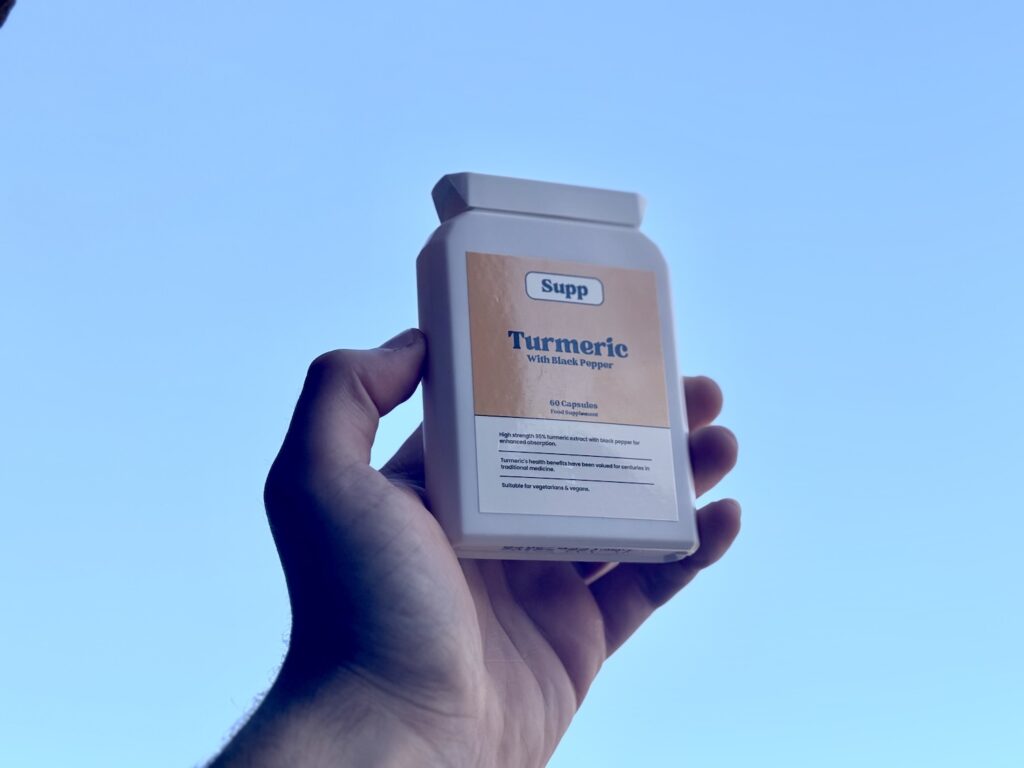
Ready to experience the benefits? Check out our high-strength Turmeric Extract With Black Pepper.
References
- Frontiers in Nutrition, elite footballer RCT (2023)
- PubMed ID 39623590, eccentric‑exercise study (2024)
- Nutrients 2024; Turmeric concentrate & arterial compliance
- Frontiers in Pharmacology umbrella review (2025)
- Sci. Direct meta‑analysis of bioavailable curcumin & Lp(a) (2025)
- Prostate Cancer and Prostatic Diseases review (2024)
- Curcumin against Prostate Cancer: Current Evidence
- ClinicalTrials.gov NCT03769766 interim data (2024)
- Modulation of AKR1C2 by curcumin decreases testosterone production in prostate cancer
- Welsh Medicines Advice Service – gall‑bladder caution
- NHS: turmeric & bleeding risk with aspirin
- Health.com Turmeric Review
This article is for general information only and is not a substitute for personalised medical advice.