
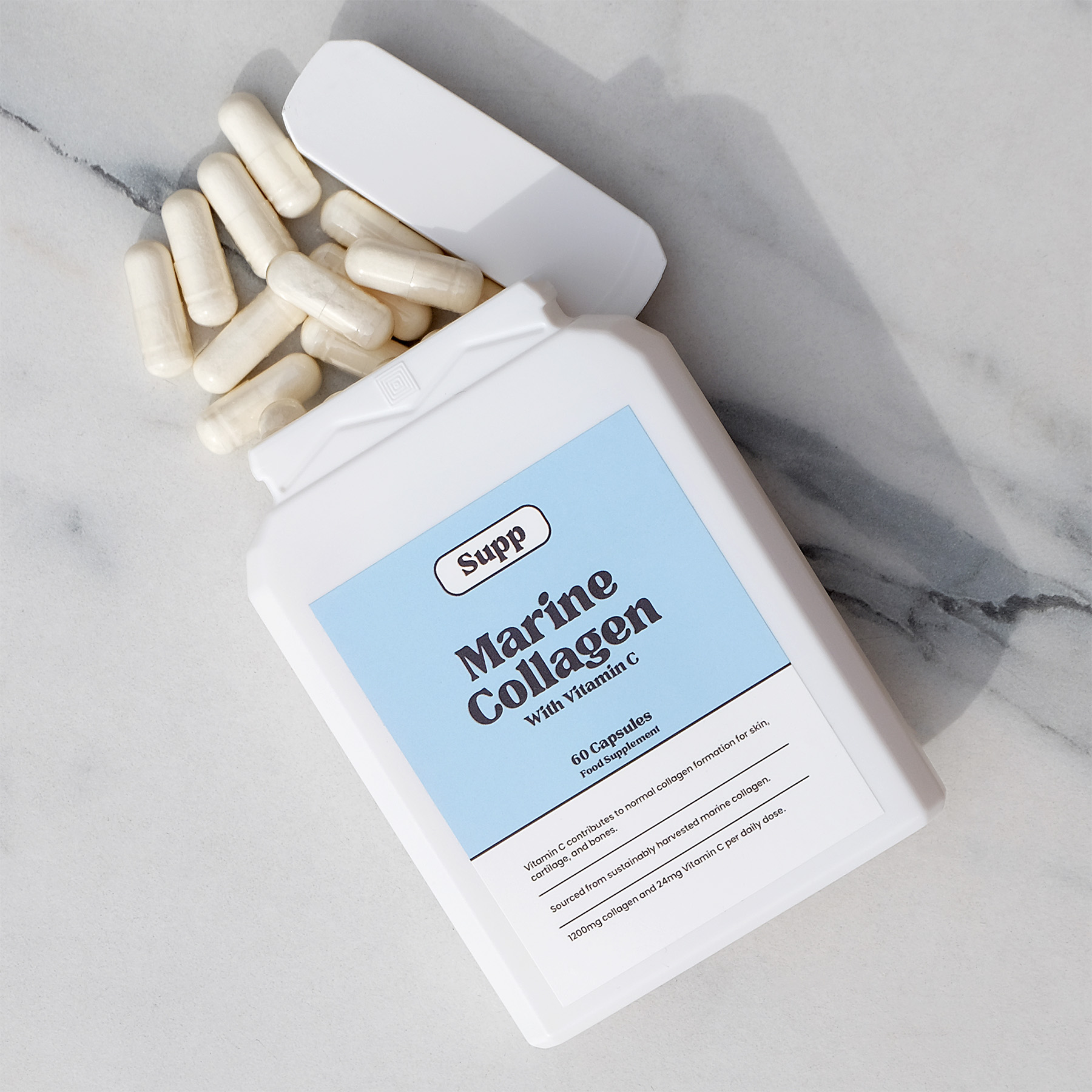
Ingredient Information
Summary
Vitamin C, also known as ascorbic acid, is a water-soluble vitamin essential for maintaining overall health. It contributes to normal collagen formation, which supports skin, blood vessels, bones, and cartilage. Additionally, it aids in the normal functioning of the immune system and enhances iron absorption from food. Vitamin C is found in fruits and vegetables like oranges, strawberries, and broccoli. People who may benefit from increased Vitamin C intake include those with limited dietary sources, smokers, and individuals under stress, as their bodies may require more. While most people can meet their needs through a balanced diet, supplements can be useful for those who struggle to get enough from food alone.
Key Facts
- Type: Vitamin
- Natural source: Citrus fruits, strawberries, bell peppers
- Typical supplemental dose: 80 mg (100% NRV)
- Used for: Contributes to normal immune system function
- First discovered/isolated: 1912
What Is Vitamin C?
Vitamin C, also known as ascorbic acid, has the empirical formula C6H8O6 and is classified as a water-soluble vitamin. It typically appears as a white crystalline powder. Vitamin C is commonly sourced from citrus fruits, berries, and vegetables, but it can also be synthesised through a fermentation process involving glucose. This vitamin is crucial as it contributes to the normal function of the immune system and the reduction of tiredness and fatigue. It also plays a role in collagen formation, which is essential for the normal function of skin, blood vessels, and bones.
How It Works In The Body
Vitamin C (ascorbic acid) contributes to normal collagen formation, which is essential for healthy skin, blood vessels, and bones. It also supports the immune system by helping protect cells from oxidative stress (damage caused by free radicals). Additionally, it enhances iron absorption from plant-based foods, aiding in maintaining normal energy levels.
Safety & Interactions
- Vitamin C is generally recognised as safe when consumed within recommended amounts.
- High doses of Vitamin C may cause digestive discomfort, such as diarrhoea or stomach cramps.
- Individuals with a history of kidney stones should consult a healthcare professional before taking high doses of Vitamin C.
- The UK upper intake level for Vitamin C is 1,000 mg per day for adults.
- Vitamin C contributes to the normal function of the immune system and the reduction of tiredness and fatigue.
Always consult your health practitioner before taking nutritional supplements, especially if you are taking medication or are under medical supervision. You should not take supplements as a substitute for a varied balanced diet or healthy lifestyle.
FAQs
What are the benefits of Vitamin C?
Vitamin C contributes to the normal function of the immune system, reduction of tiredness and fatigue, and protection of cells from oxidative stress.
How much Vitamin C should I take daily?
The recommended daily intake for adults is 80mg. This is usually achievable through a balanced diet rich in fruits and vegetables like oranges, strawberries, and peppers. However, during times of stress, illness, or low fruit and veg intake, a supplement can help ensure you’re consistently meeting your needs.
Can Vitamin C prevent colds?
Vitamin C contributes to the normal function of the immune system, but it does not prevent colds. It may help reduce the duration and severity of symptoms.
References
1. https://pubmed.ncbi.nlm.nih.gov/7790686/
The health effects of vitamin C supplementation.
2. https://pubmed.ncbi.nlm.nih.gov/29099763/
Vitamin C and immune function.
3. https://pubmed.ncbi.nlm.nih.gov/29763052/
Vitamin C: functions, dietary sources, absorption, and clinical relevance in deficiency and supplementation.
4. https://pmc.ncbi.nlm.nih.gov/articles/PMC3783921/
Vitamin C in disease prevention and cure.
Our products that contain Vitamin C
Where next?
Information on this page is for educational purposes only and is not a substitute for personalised medical advice. Always consult a healthcare professional before making dietary changes or starting new supplements.