
Ingredient Information
Summary
Stearic acid is a saturated fatty acid found in animal and plant fats. It’s commonly used in the production of cosmetics, soaps, and candles due to its ability to harden and stabilise products. In the food industry, it’s used as an emulsifier and thickener. Stearic acid is also present in some dietary supplements, where it acts as a lubricant in tablet manufacturing. While it doesn’t have direct health benefits, it supports the production of stable and effective products. Those in the cosmetics industry, food manufacturing, or supplement production may find stearic acid particularly useful. It’s generally considered safe for most people when used in appropriate amounts.
Key Facts
- Type: Excipient
- Natural source: Animal fats and vegetable oils
- Typical supplemental dose: Not applicable
- Used for: Manufacturing
- First discovered/isolated: 1816
What Is Stearic Acid?
Stearic Acid (C18H36O2), also known as octadecanoic acid, is a naturally occurring saturated fatty acid found in both plant and animal sources. In supplements, it’s typically derived from vegetable oils and appears as a white, waxy solid. It is produced through a process known as saponification, followed by hydrogenation, which separates and stabilises the fatty acid components. In the supplement industry, stearic acid is primarily used as a flow agent or lubricant in tablet and capsule manufacturing. It helps ensure smooth processing and consistent dosage by preventing ingredients from clumping or sticking during production. Though not included for direct nutritional benefit, stearic acid is widely regarded as safe and plays a vital role in the quality and stability of supplement formulations.
How It Works In The Body
Stearic acid is a type of saturated fat that the body uses primarily for energy. Once consumed, it’s broken down into simpler molecules (metabolised) and can be used by cells to produce energy or stored for later use. Unlike some other saturated fats, stearic acid doesn’t raise cholesterol levels, making it a more heart-friendly option.
Safety & Interactions
- Stearic acid is generally recognised as safe when consumed in typical dietary amounts.
- It is naturally found in foods like meat, cocoa butter, and dairy products.
- There are no specific contraindications for stearic acid, but individuals with specific dietary restrictions should consult a healthcare professional.
- There is no established UK upper intake level for stearic acid, but it should be consumed as part of a balanced diet.
- Excessive intake is unlikely to cause harm, but moderation is advised to maintain overall dietary balance.
Always consult your health practitioner before taking nutritional supplements, especially if you are taking medication or are under medical supervision. You should not take supplements as a substitute for a varied balanced diet or healthy lifestyle.
FAQs
What is stearic acid?
Stearic acid is a saturated fatty acid found in animal and plant fats. It’s commonly used in supplements and cosmetics for its emulsifying properties, helping to blend ingredients smoothly.
Is stearic acid safe to consume?
Yes, stearic acid is generally recognised as safe for consumption in food and supplements. It is naturally present in many foods and does not raise cholesterol levels.
Does stearic acid have any health benefits?
Stearic acid is primarily used for its functional properties in products rather than direct health benefits.
References
1. https://pubmed.ncbi.nlm.nih.gov/11305631/
A stearic acid-rich diet improves thrombogenic and atherogenic risk factors in males.
2. https://pubmed.ncbi.nlm.nih.gov/7977157/
Influence of stearic acid on cholesterol metabolism relative to other fatty acids; stearic acid does not raise LDL-cholesterol.
3. https://pubmed.ncbi.nlm.nih.gov/25222131/
Dietary stearic acid leads to a reduction of visceral adipose tissue; also shown to reduce metastatic tumour burden.
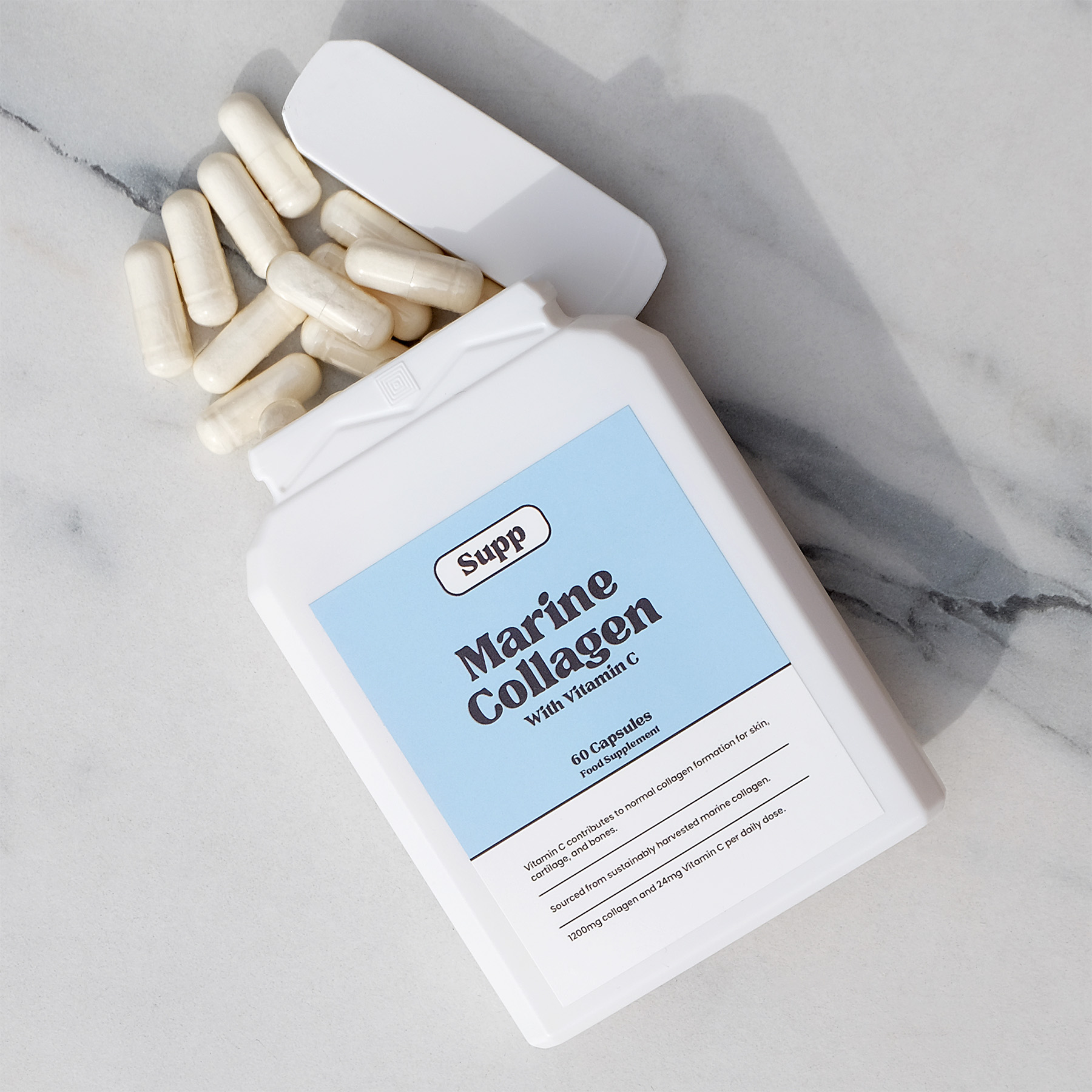
Our products that contain Stearic Acid
Where next?
Information on this page is for educational purposes only and is not a substitute for personalised medical advice. Always consult a healthcare professional before making dietary changes or starting new supplements.