
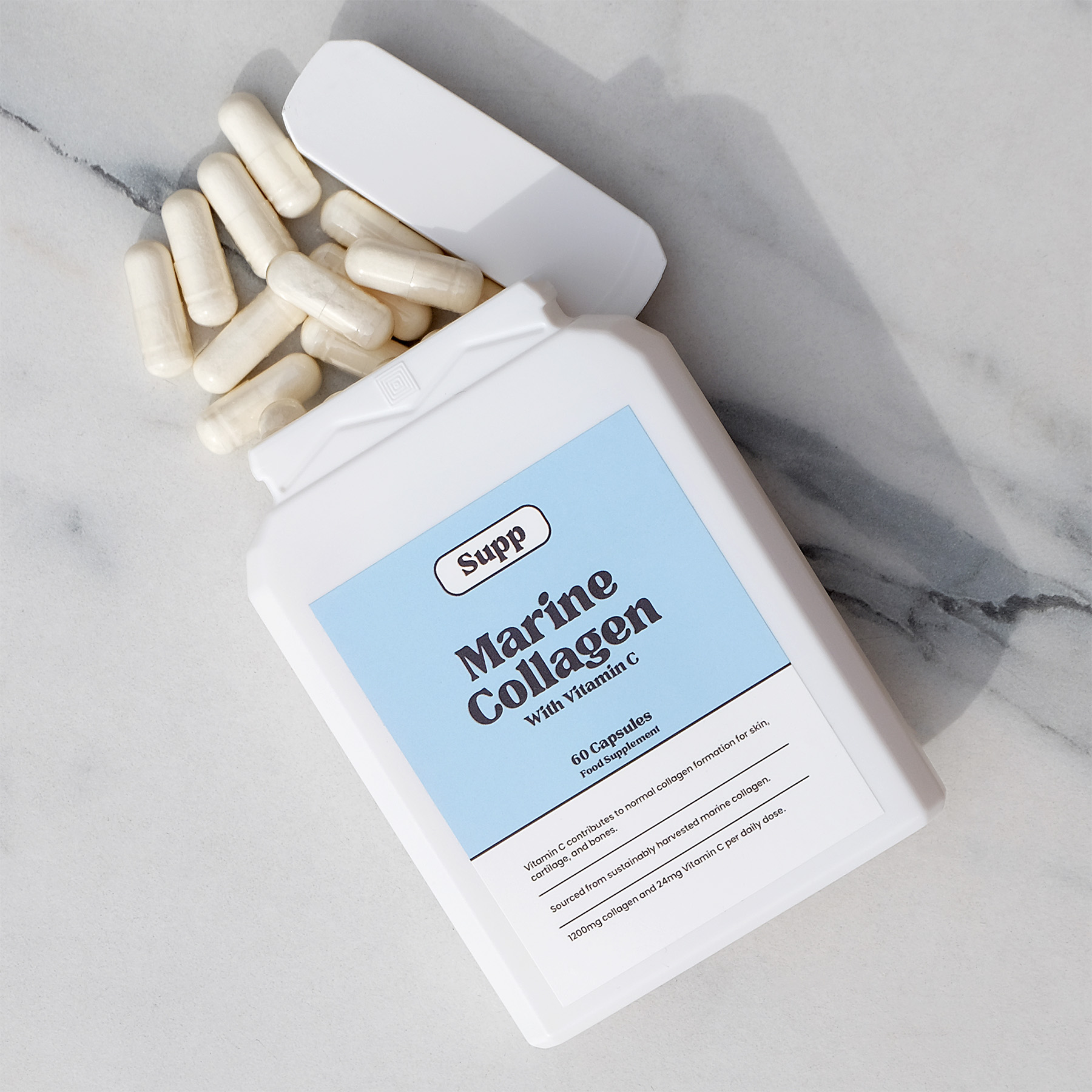

Ingredient Information
Summary
Microcrystalline Cellulose (MCC) is a refined wood pulp used as a common additive in food and supplements. It helps to give tablets their shape and consistency, and is also used as a stabiliser and anti-caking agent. MCC is popular in the pharmaceutical and food industries due to its versatility and safety. It is particularly beneficial for manufacturers looking to improve the texture and stability of their products. While MCC itself does not provide direct health benefits, it supports the effective delivery of active ingredients in supplements. It is suitable for anyone consuming tablets or capsules, ensuring they are easy to swallow and maintain their integrity.
Key Facts
- Type: Excipient
- Natural source: Plant cell walls
- Typical supplemental dose: Not applicable
- Used for: Manufacturing
- First discovered/isolated: 1955
What Is Microcrystalline Cellulose?
Microcrystalline Cellulose, also known as MCC or E460(i), is a refined wood pulp derivative. Its empirical formula is (C6H10O5)n. Classified as a bulking agent and stabiliser, it typically appears as a white, odourless, tasteless powder. MCC is sourced from natural cellulose, primarily from wood, through acid hydrolysis, which breaks down the cellulose into smaller, crystalline particles. It is widely used in the food and pharmaceutical industries for its ability to improve texture and stability. MCC contributes to normal product consistency without altering taste or nutritional value, making it a reliable ingredient in various formulations.
How It Works In The Body
Microcrystalline Cellulose is a type of dietary fibre that passes through your digestive system largely unchanged. It helps to add bulk to stools, which can support normal bowel movements. It doesn’t get absorbed, so it doesn’t contribute calories or nutrients.
Safety & Interactions
- Microcrystalline Cellulose is generally recognised as safe when used as a food additive.
- It is not absorbed by the body and is considered non-toxic.
- There are no specific contraindications, but individuals with digestive issues may experience discomfort if consumed in large amounts.
- There is no specific UK upper intake level for Microcrystalline Cellulose, but it should be consumed in moderation as part of a balanced diet.
- Excessive consumption may lead to digestive discomfort, such as bloating or diarrhoea.
Always consult your health practitioner before taking nutritional supplements, especially if you are taking medication or are under medical supervision. You should not take supplements as a substitute for a varied balanced diet or healthy lifestyle.
FAQs
What is microcrystalline cellulose?
Microcrystalline cellulose is a refined wood pulp used as a bulking agent in supplements. It helps in tablet formation and ensures consistent dosage.
Is microcrystalline cellulose safe to consume?
Yes, microcrystalline cellulose is generally recognised as safe for consumption in supplements and foods within regulated limits.
Does microcrystalline cellulose have any nutritional benefits?
Microcrystalline cellulose does not provide nutritional benefits but contributes to the normal consistency and stability of supplement tablets.
References
1. https://pubmed.ncbi.nlm.nih.gov/32760465/
Safety and efficacy of microcrystalline cellulose.
2. https://pubmed.ncbi.nlm.nih.gov/32625405/
Safety of the proposed amendment of the specifications for microcrystalline cellulose as a food additive.
Our products that contain Microcrystalline Cellulose
Where next?
Information on this page is for educational purposes only and is not a substitute for personalised medical advice. Always consult a healthcare professional before making dietary changes or starting new supplements.