
Ingredient Information
Summary
Hydroxypropyl Methylcellulose (HPMC) is a plant-derived compound used as a thickener, stabiliser, and emulsifier in food and supplements. It is a type of cellulose, which is a natural polymer found in plant cell walls. HPMC is commonly used in the production of vegetarian capsules, providing an alternative to gelatin capsules for those following vegetarian or vegan diets. It is also used in gluten-free baking to improve texture and moisture retention. People with dietary restrictions or preferences, such as vegetarians, vegans, or those with gluten intolerance, may benefit from products containing HPMC. It is widely used in the food and supplement industries.
Key Facts
- Type: Excipient
- Natural source: Derived from cellulose, a plant fibre
- Typical supplemental dose: Not applicable
- Used for: Manufacturing, as a thickener and stabiliser
- First discovered/isolated: 1920s
What Is Hydroxypropyl Methylcellulose?
Hydroxypropyl Methylcellulose, also known as HPMC or E464, is a semi-synthetic polymer derived from cellulose. Its empirical formula is C56H108O30. Classified as a non-ionic cellulose ether, it typically appears as a white to off-white powder. HPMC is produced by chemically modifying cellulose, a natural polymer found in plant cell walls, through the addition of methyl and hydroxypropyl groups. This modification enhances its solubility and gel-forming properties. HPMC is widely used as a thickener, emulsifier, and stabiliser in food and pharmaceutical products, contributing to the normal texture and consistency of various formulations.
How It Works In The Body
In the body, HMPC forms a gel-like substance when it comes into contact with water, which can help control the release of active ingredients, ensuring they are absorbed more effectively. It is not absorbed by the body and is considered safe for consumption.
Safety & Interactions
- Hydroxypropyl Methylcellulose (HPMC) is generally recognised as safe when used as a food additive.
- It is not absorbed by the body and is excreted unchanged, minimising systemic effects.
- Individuals with gastrointestinal sensitivities may experience mild digestive discomfort, such as bloating or gas.
- There is no specific UK upper intake level for HPMC, but it should be consumed in moderation as part of a balanced diet.
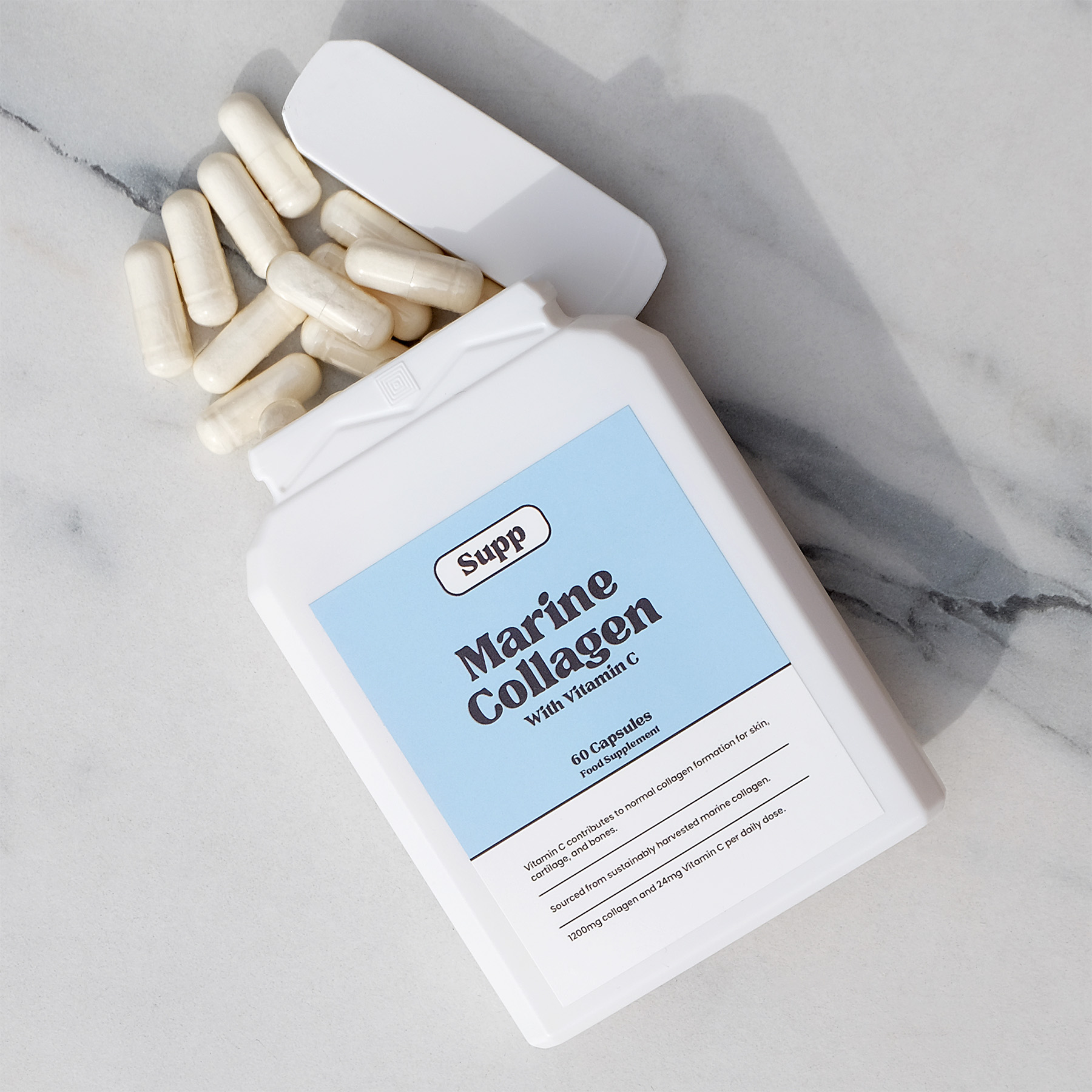
- Used as a plant-based alternative to gelatin capsules.
Always consult your health practitioner before taking nutritional supplements, especially if you are taking medication or are under medical supervision. You should not take supplements as a substitute for a varied balanced diet or healthy lifestyle.
FAQs
What is Hydroxypropyl Methylcellulose used for?
Hydroxypropyl Methylcellulose is widely used as a plant-based alternative to gelatin for capsule production, a thickening agent, emulsifier, and stabiliser in food and supplements. It helps maintain the consistency and quality of products.
Is Hydroxypropyl Methylcellulose safe to consume?
Yes, Hydroxypropyl Methylcellulose is generally recognised as safe for consumption in food and supplements when used within recommended limits.
Is Hydroxypropyl Methylcellulose vegan?
Yes, Hydroxypropyl Methylcellulose (HPMC) is vegan. It is a plant-derived substance, typically extracted from cellulose, a plant fibre, and is used in various products, including capsules, tablets, and as a thickener in food.
References
1. https://pubmed.ncbi.nlm.nih.gov/21092714/
HPMC capsules: current status and future prospects – suitability as a replacement for hard gelatin capsules and broad pharmaceutical applications.
2. https://pubmed.ncbi.nlm.nih.gov/39219040/
Hydroxypropyl methylcellulose in artificial tears for the treatment of dry eye – safety and effectiveness as a viscosity-enhancing agent.
4. https://pubmed.ncbi.nlm.nih.gov/30716980/
HPMC used with chitosan and Lactococcus lactis to create a stable emulsion with antimicrobial properties. It shows promise for use in the food industry.
Our products that contain Hydroxypropyl Methylcellulose
Where next?
Information on this page is for educational purposes only and is not a substitute for personalised medical advice. Always consult a healthcare professional before making dietary changes or starting new supplements.