



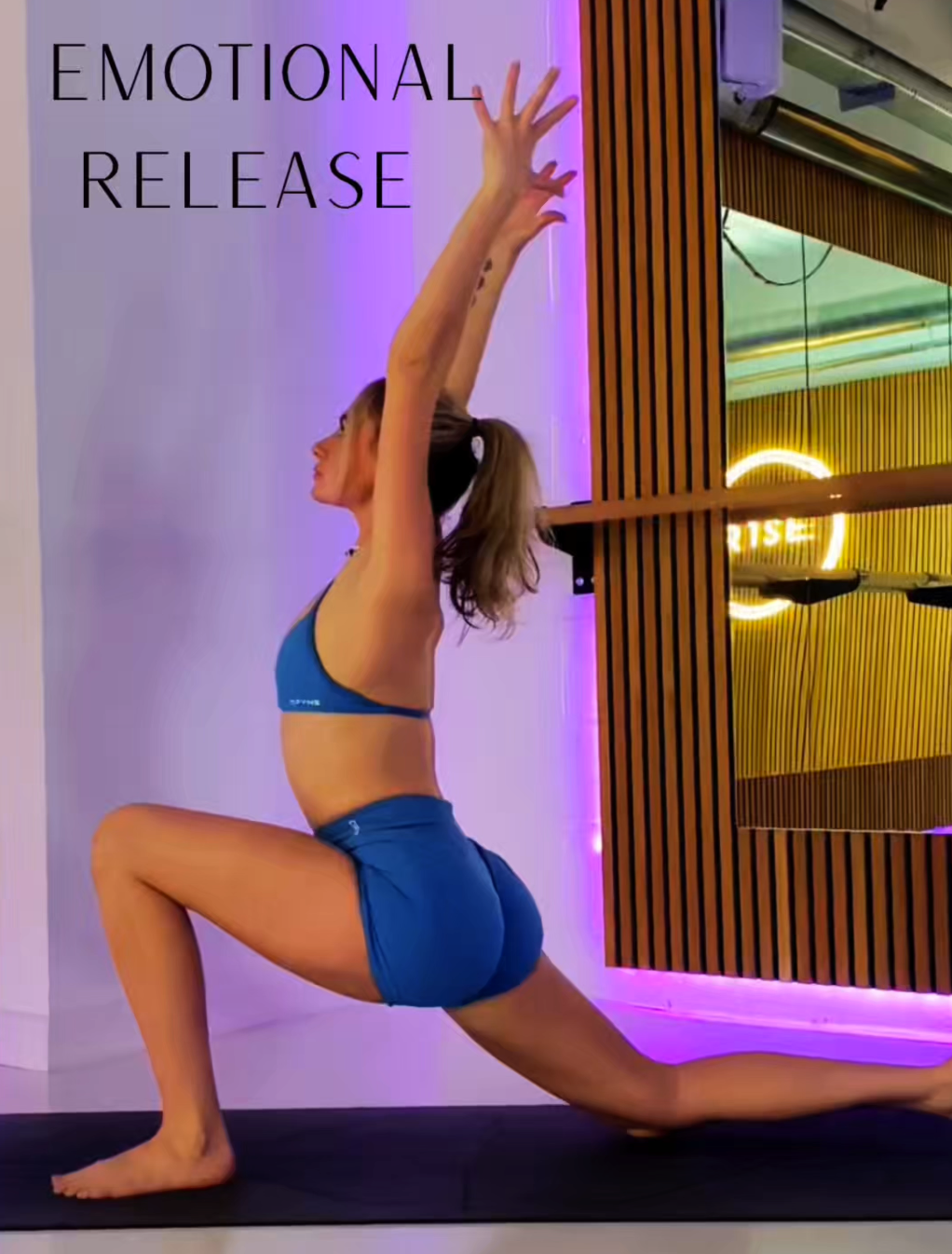
In yoga, the hips are often described as a space where we store tension, stress, and unprocessed emotion. Whether that shows up as tightness, discomfort, or simply a feeling of being “stuck,” creating space in the hips can be deeply releasing – not just physically, but emotionally too.
This gentle flow is designed to help you soften into the body, open through the hips, and allow anything you’ve been holding onto to gradually release.
Why Focus on the Hips?
Modern life keeps us sitting, bracing, and holding – both physically and emotionally. The hip area, particularly around the hip flexors and deep glutes, can become tight from long periods of sitting, but also from stress and protective patterns in the body.
When we slow down and breathe into these areas, we begin to:
● Release built-up tension
● Improve mobility and flexibility
● Support emotional processing
● Create a sense of grounding and ease
This practice isn’t about pushing deeper – it’s about softening and allowing.
Full Flow:
Step-by-Step Guide:
1. Downward-Facing Dog
Begin in Downward Facing Dog, lifting your hips high and allowing a gentle bend in the knees.
Take a few moments to pedal through the feet and bring awareness into the back of the legs and hips.
Let the breath guide you here, creating space with each inhale and softening with each exhale.
2. Low Lunge to Half Splits flow
Step your right foot forward into a Low Lunge.
As you inhale, lift your chest slightly. As you exhale, shift your hips back into Half Splits, feeling a stretch through the hamstring.
Move slowly between these two shapes, following your breath like a wave.
This gentle movement helps to ease tension and invite fluidity into the hips.
3. Low Lunge – Hip Flexor Opening
Return to your Low Lunge and pause. Gently press your hips forward to open through the hip flexor of the back leg.
You might keep your hands on your thigh or reach your arms overhead.
Stay with your breath and notice any sensations – allowing rather than forcing.
4. Lizard Pose
Bring your hands down and step your front foot slightly wider. Allow your hips to sink down toward the mat.
Stay on your hands, or lower onto your forearms if it feels accessible.
Breathe deeply here, giving your body permission to release any held tension.
5. Sleeping Pigeon
Transition into Sleeping Pigeon, bringing your front knee forward and extending the back leg behind you. Take your time to settle, using props if needed. Fold forward and rest your head down.
This is where the practice often becomes more internal. If emotions arise, simply notice them and continue to breathe – you are creating a safe space to let go.
Repeat on the other side – move through the same sequence on the other side, maintaining the same slow, mindful pace.
6. Dandasana (Staff Pose)
Come to a seated position with your legs extended out in front of you. Sit tall, flex your feet, and ground through your hands.
Close your eyes and take a moment to notice how your body feels – especially through the hips.
Closing the Practice:
Bring one hand to your heart and one to your lower belly. Take a deep inhale… and a slow exhale.
Acknowledge the space you’ve created – physically and emotionally. Even the smallest release matters.
Hip-opening practices can be surprisingly powerful. Some days you may feel a deep emotional shift, and other days it may simply feel like a physical stretch – both are equally valid.
The key is consistency, patience, and kindness toward your body. You’re not forcing anything to release. You’re simply creating the space for it to happen.