




When it comes to looking after your bones and your heart, vitamin D3 is often the first nutrient that springs to mind. And rightly so – it plays a crucial role in helping your body absorb calcium, which is essential for strong, healthy bones. But there’s another vitamin that deserves a spot on your radar: vitamin K2.
What’s more, research suggests that D3 and K2 work better together, supporting not just your bones, but your heart and arteries too. Here’s a closer look at how these two powerhouse vitamins complement each other, the potential benefits for your health, and why pairing them might be one of the smartest moves you can make for your wellbeing.
A quick intro: What are vitamin D3 and vitamin K2?
Vitamin D3 (cholecalciferol) is the form of vitamin D your body naturally makes when your skin is exposed to sunlight. It’s also found in small amounts in oily fish, eggs, and fortified foods. Vitamin D3 helps your gut absorb calcium from your diet, which is essential for keeping bones and teeth strong. It also plays roles in immune function, muscle health, and mood.
Vitamin K2 (menaquinone) is part of the vitamin K family, but quite different from the more common K1 found in leafy greens. K2 is mainly found in fermented foods like natto (a traditional Japanese soybean dish), hard cheeses, and some animal products. Its standout job is activating proteins that help guide calcium to where it should be – in your bones – and away from places it shouldn’t be, like your arteries.
Why do they work better together?
It all comes down to calcium management:
- Vitamin D3 helps your body absorb more calcium.
- Vitamin K2 helps your body use that calcium properly.
Think of vitamin D3 as opening the door for calcium to enter your bloodstream. Without it, calcium absorption from food would be minimal. But once calcium is in the blood, it needs to be deposited in bones and teeth — not left floating around.
That’s where vitamin K2 steps in. It activates a protein called osteocalcin, which helps bind calcium into your bone matrix. It also activates matrix Gla-protein (MGP), which helps keep calcium out of your arteries, reducing the risk of unwanted calcification (hardening of the arteries).
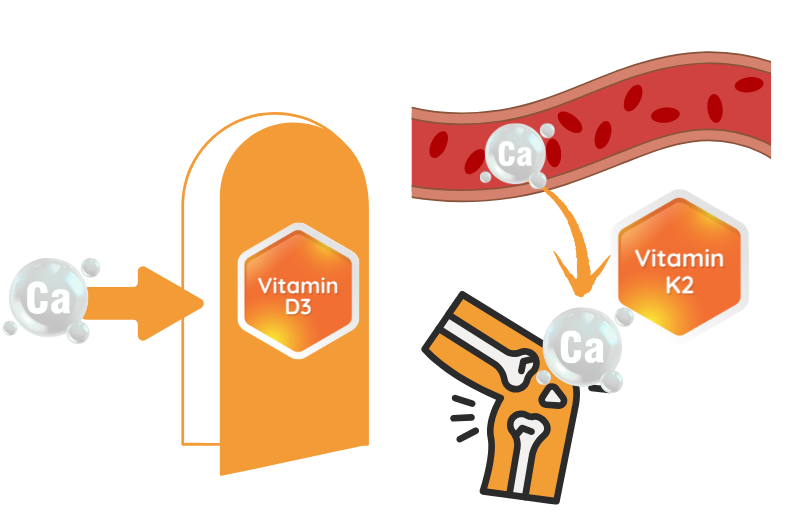
In simple terms:
- D3 gets the calcium in.
- K2 directs it to your bones and keeps it away from your arteries.
Potential benefits for your bones
Several studies have explored how vitamin D3 and K2 might work together to improve bone health.
A 2017 review in the International Journal of Endocrinology found that combined supplementation of vitamin D3 and K2 could be more effective than either nutrient alone in maintaining bone mineral density and reducing fracture risk, especially in older adults. Researchers highlighted that while vitamin D increases calcium absorption, vitamin K2 ensures that calcium is effectively incorporated into the bone matrix.
Small clinical trials highlighted in this review showed that postmenopausal women taking both vitamins had significantly better markers of bone strength than those taking vitamin D alone. While more large-scale research is needed, these early findings suggest a promising synergy that’s hard to overlook.
A 2016 study involving over 20,000 older men and women in Norway found that low blood levels of vitamin K1 and vitamin D were linked to a higher risk of hip fractures.
This growing body of evidence suggests that supporting your bones may be about more than just getting enough vitamin D — pairing it with vitamin K could make all the difference.
Potential benefits for your heart
When calcium is deposited where it shouldn’t be (such as the soft tissues of your arteries) it can contribute to arterial stiffness and plaque formation, both risk factors for heart disease.
Vitamin K2 activates MGP, a special protein that helps keep calcium out of your arteries, and protects them from hardening via calcification. A long-term study known as The Rotterdam Study (which followed nearly 5,000 people over 10 years) found that higher dietary intake of vitamin K2 was associated with reduced risk of arterial calcification and cardiovascular mortality.
What’s particularly interesting is that these benefits were tied specifically to K2, not K1 – showing the unique role of K2 in cardiovascular health.
How common are deficiencies?
In the UK, vitamin D deficiency is very common, especially in the autumn and winter months when sunlight is scarce. Public Health England recommends that adults consider taking a daily supplement containing 10 micrograms (400 IU) of vitamin D during these months to maintain healthy levels.
Vitamin K2 is less often discussed, but modern diets tend to be low in it. Unless you eat a lot of fermented foods like natto, your intake might be minimal. That’s why many people choose to take a combined supplement, making it easier to get both nutrients in the right amounts.
How much should you take?
Always check with your healthcare provider if you have medical conditions or take medication (especially blood thinners like warfarin), as vitamin K can interact with them.
Typical supplement dosages are:
- Vitamin D3: 1,000–4,000 IU daily (25–100 µg), depending on your individual needs.
- Vitamin K2: Often around 90–120 µg daily (usually as MK-7, a well-absorbed form).
Your personal needs may vary depending on age, lifestyle, sun exposure, diet, and health conditions.
Are there any side effects?
For most people, D3 and K2 are well tolerated at recommended doses. Taking them together is considered safe and may even improve their effectiveness in guiding calcium.
High doses of vitamin D without sufficient K2 might lead to more calcium circulating in your bloodstream, potentially increasing the risk of calcification over the long term — which is exactly why pairing the two makes good sense.
Why customers choose combined D3 + K2 supplements
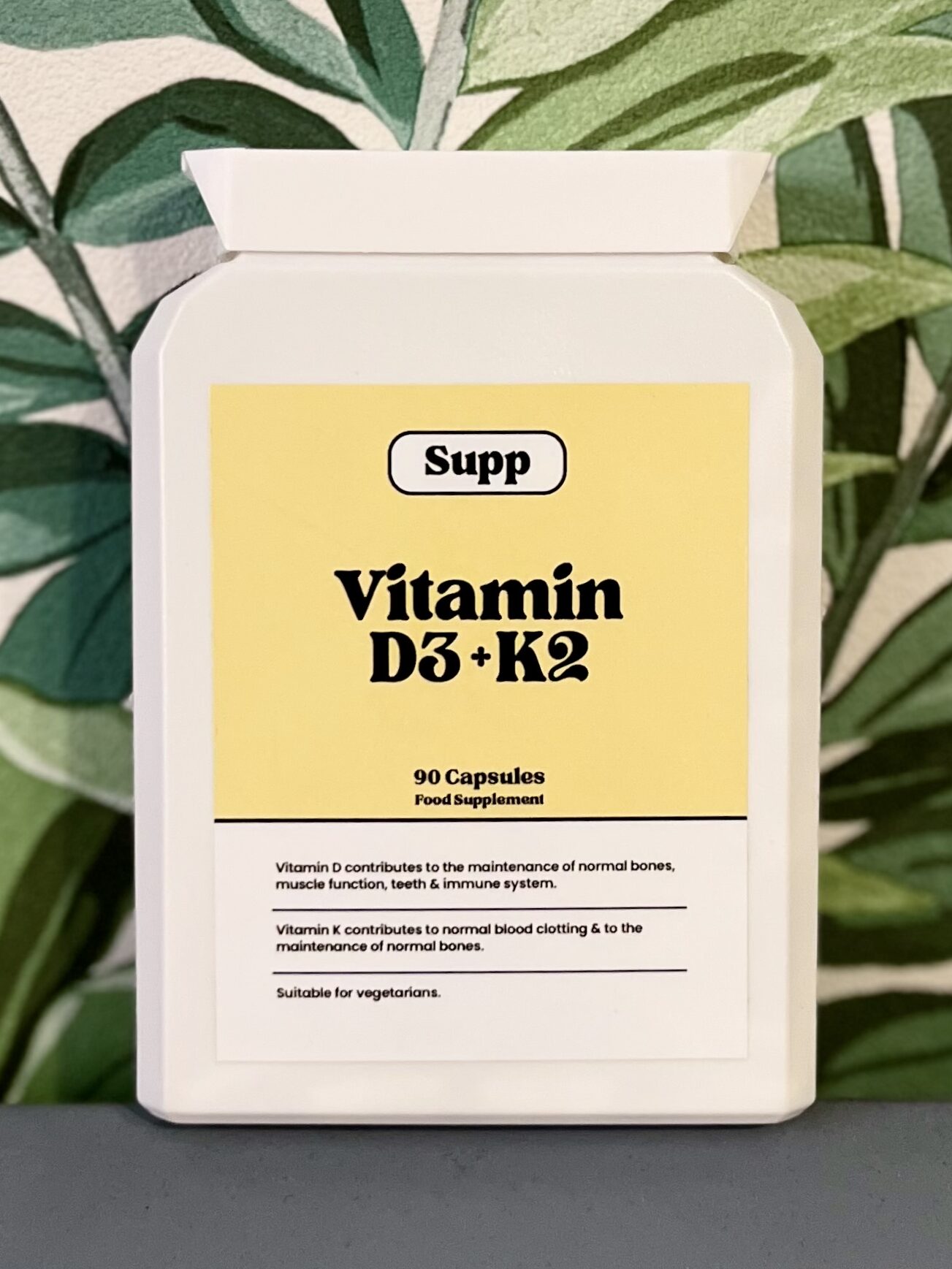
At Supp, we believe in keeping things simple. A combined D3 + K2 supplement means you don’t have to juggle multiple bottles or worry about balancing dosages. It also means both vitamins are working in tandem, exactly as nature intended.
Our customers often tell us they love the convenience, plus the peace of mind knowing they’re supporting both their bone strength and heart health at the same time.
In summary: a team effort for your bones & heart
While vitamin D3 gets plenty of attention for its role in bone health, it’s only half the story. Without enough K2, calcium might not end up where you want it. That’s why taking both together can offer a more complete approach.
Potential benefits of pairing D3 + K2 include:
- Supporting strong, healthy bones
- Helping direct calcium away from arteries
- Contributing to flexible, healthy blood vessels
And though more research is always emerging, the existing science is compelling enough that many health experts now recommend taking these two vitamins together, especially for people concerned about bone strength and cardiovascular wellbeing.
Ready to support your bones and heart?
If you’d like to explore high-quality, thoughtfully formulated supplements, check out our Vitamin D3 + K2 here. We’re on a mission to help you feel your best, with clean, effective formulas that fit into your life. Because supporting your bones now helps you enjoy a healthier, more active future.
Disclaimer: This article is for general information only and isn’t a substitute for professional medical advice. If you have any underlying health conditions, take medication, or are pregnant or breastfeeding, speak to your GP or a qualified healthcare provider before starting a new supplement.