

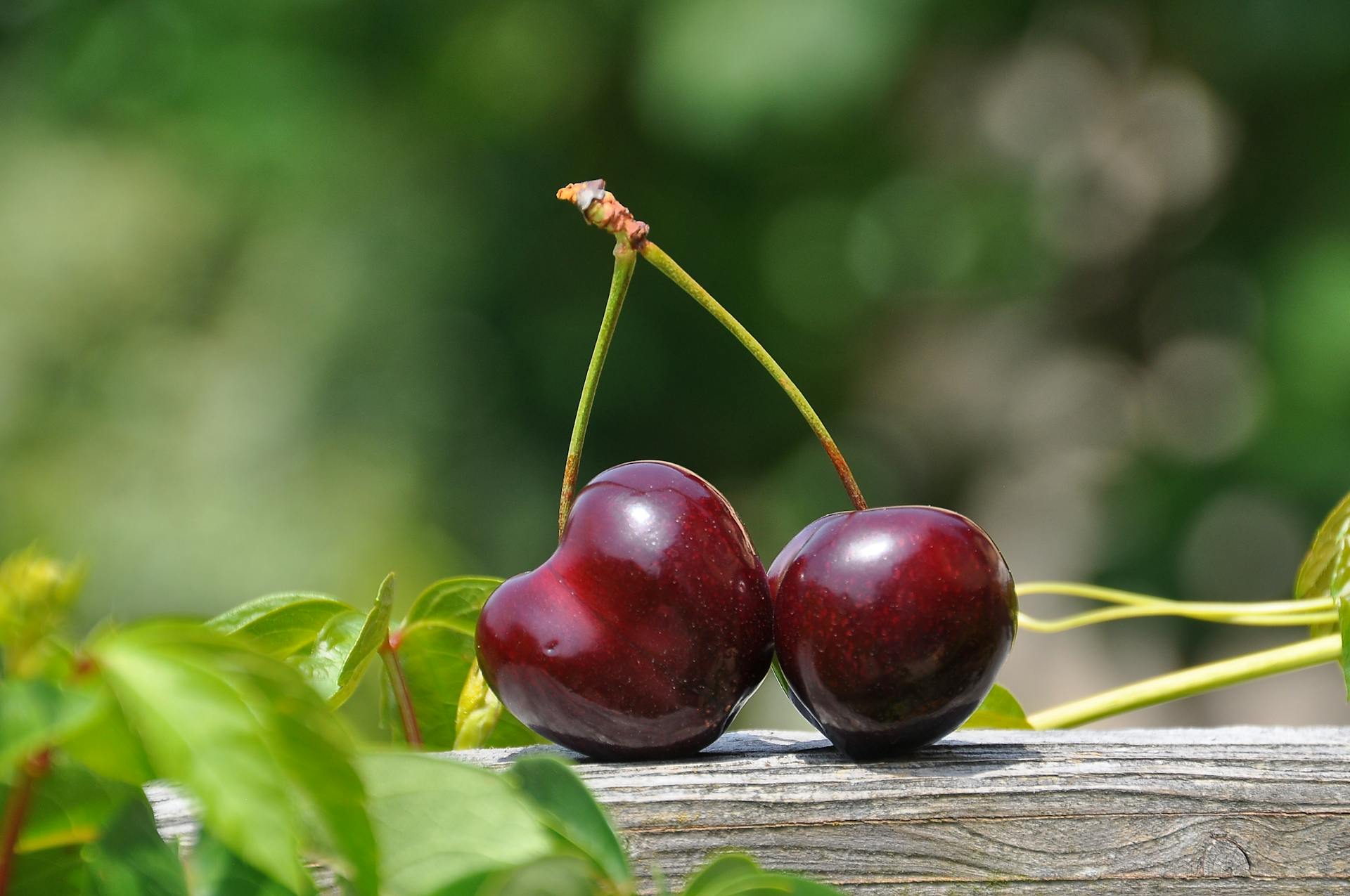
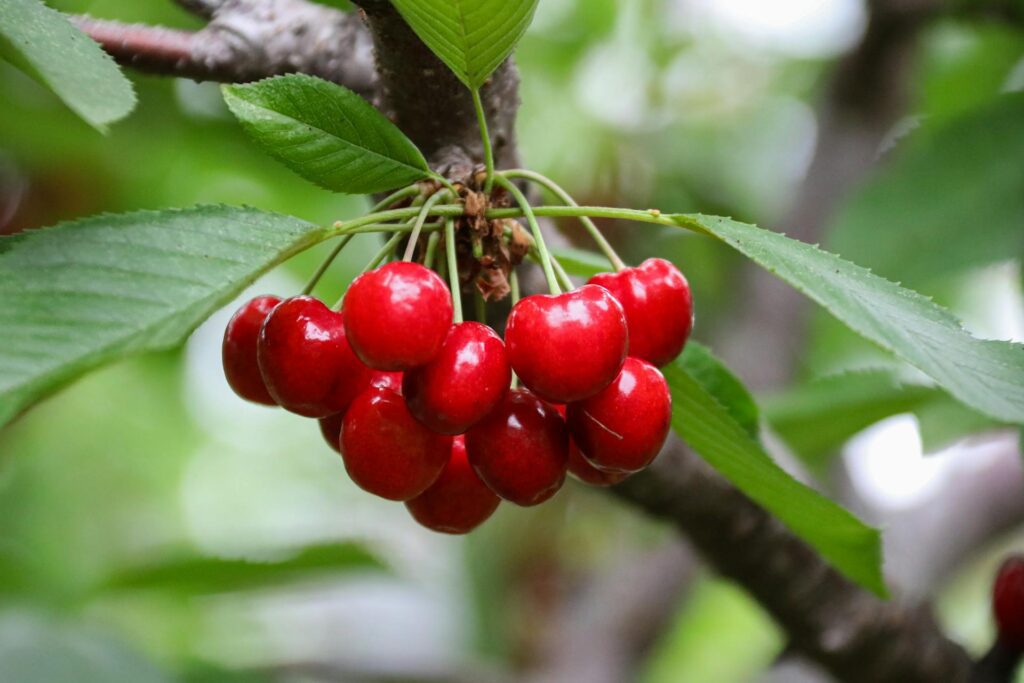
If you love cherries but aren’t sure when to pick tart (sour/Montmorency) versus sweet (Bing, Regina, etc.), this guide breaks down taste, nutrition, and the best-supported health angles. Where we mention any potential benefits, we cite scientific studies at the end.
Tart vs sweet: what is the difference?
Flavour & sugar
Sweet cherries (Prunus avium) are higher in simple sugars on average; tart cherries (Prunus cerasus) are more acidic.
Polyphenols (anthocyanins)
Both types contain anthocyanins, but tart cherries typically pack more total phenolics per 100g in several comparisons.
Melatonin
Tart cherries contain measurable melatonin; one lab analysis found Montmorency contained ~13.5ng/g (higher than a Balaton cultivar tested).
In small trials, tart cherry concentrate raised urinary melatonin metabolites and was linked with better sleep metrics.
What the studies suggest + real-world use
For sleep support, choose tart
What’s shown: In healthy adults and people with insomnia, tart cherry juice/concentrate modestly improved sleep duration/efficiency and increased melatonin metabolite output.
How people used it in studies: Usually 100% Montmorency tart cherry concentrate/juice for ~1–2 weeks; timing varied (often morning and evening).
Practical tip: Try a small glass of 100% tart cherry juice or 30–60 ml concentrate diluted in water, once or twice per day, or to avoid the free sugars, try a capsule extract.
For exercise recovery & next-day soreness, choose tart
What’s shown: A systematic review/meta-analysis shows small-to-moderate benefits for recovery of strength/power and soreness after strenuous exercise. A review concludes dosing for several days before the event matters; powders/“start-on-the-day” regimens are less consistent.
How to try it: Start 3–7 days pre-event, continue through the event and 1–3 days after. Typical protocols use two servings/day of 100% juice or the label-equivalent in concentrate or tart cherry capsules.
Uric acid & gout flare risk, both appear relevant
What’s shown: A case-crossover study (633 people with gout) linked cherry intake over two days with a 35% lower risk of gout attacks (and further reduction when combined with allopurinol). Separately, an acute study in healthy women found sweet cherries reduced plasma urate within hours.
Important: This does not replace medical care. Effects are associative/short-term; discuss any changes with your GP.
Blood pressure (early hypertension), a tentative signal for tart
What’s shown: In a small RCT, 60 ml Montmorency concentrate acutely reduced systolic BP by ~7 mmHg over ~3 hours in men with early hypertension. Longer-term effects are unclear.
How to view it: Interesting short-term finding; not a standalone treatment.
So… tart or sweet?
| Goal | Better pick | Why |
|---|---|---|
| A naturally sharper flavour; baking/smoothies | Either | Tart offers bright acidity; works well in recipes |
| Everyday snacking | Sweet | Juicy, higher natural sugars |
| Sleep nudge | Tart | Human trials + melatonin data |
| Pre-event recovery support | Tart | Meta-analysis + dosing guidance |
| Uric acid help | Either | Observational gout data (mixed forms) + acute urate lowering with sweet |
| Short-term BP modulation | Tart | Small RCT signal |
Practical buying & usage tips
Go for 100% products. Look for unsweetened tart cherry juice or a pure Montmorency cherry concentrate; avoid added sugars.
Whole fruit still wins for snacks. Fresh/frozen cherries give fibre and portion control; choose sweet for snacks, tart for recipes.
Portions used in research: Commonly 2 small glasses/day of 100% tart juice or ~30–60 ml concentrate diluted, for several days around the target period.
Storage: Keep fresh cherries chilled and eat them soon after purchase. You can also freeze pitted cherries for smoothies and baking.
Safety & who should be cautious
If you have gout, hypertension, kidney issues, or take medicines, check with your health practitioner before relying on cherry products.
Cherries and juices contain natural sugars; diabetes, liver complications or very low-sugar diets may require careful portions.
Possible mild GI effects if you’re sensitive to polyols (e.g., sorbitol).
References
Cherry Antioxidants: From Farm to Table. 2010 (review). Notes higher sugars in sweet vs sour and higher total phenolics in sour; includes cultivar tables. PMC
Effect of tart cherry juice on melatonin levels and sleep quality. Eur J Nutr. 2012. RCT in healthy adults. PubMed
Pilot Study of Tart Cherry Juice for Insomnia. Am J Ther. 2018. Pilot in adults with insomnia. PMC
Tart Cherry Supplementation and Recovery From Strenuous Exercise: A Systematic Review and Meta-Analysis. Int J Sport Nutr Exerc Metab. 2021. PubMed
“Precovery” versus recovery: Understanding the role of cherry juice in exercise recovery. Scand J Med Sci Sports. 2022 (narrative review highlighting pre-loading). PMC
Cherry Consumption and the Risk of Recurrent Gout Attacks. Arthritis & Rheumatism. 2012. Case-crossover study (n=633). PMC
Consumption of cherries lowers plasma urate in healthy women. J Nutr. 2003. Acute feeding study with sweet cherries. PubMed
Effects of Montmorency tart cherry consumption on vascular function in men with early hypertension. Am J Clin Nutr. 2016. Placebo-controlled crossover RCT. PubMed
Burkhardt S et al. Detection and quantification of melatonin in Montmorency and Balaton tart cherries. J Agric Food Chem. 2001. Lab analysis of melatonin content. PubMed
Food supplements and functional foods are not a substitute for a varied, balanced diet and healthy lifestyle. Always consult your health practitioner before use, especially if pregnant, breastfeeding, taking medication, or managing a medical condition.