

A Nutritional Staple with Far-Reaching Benefits
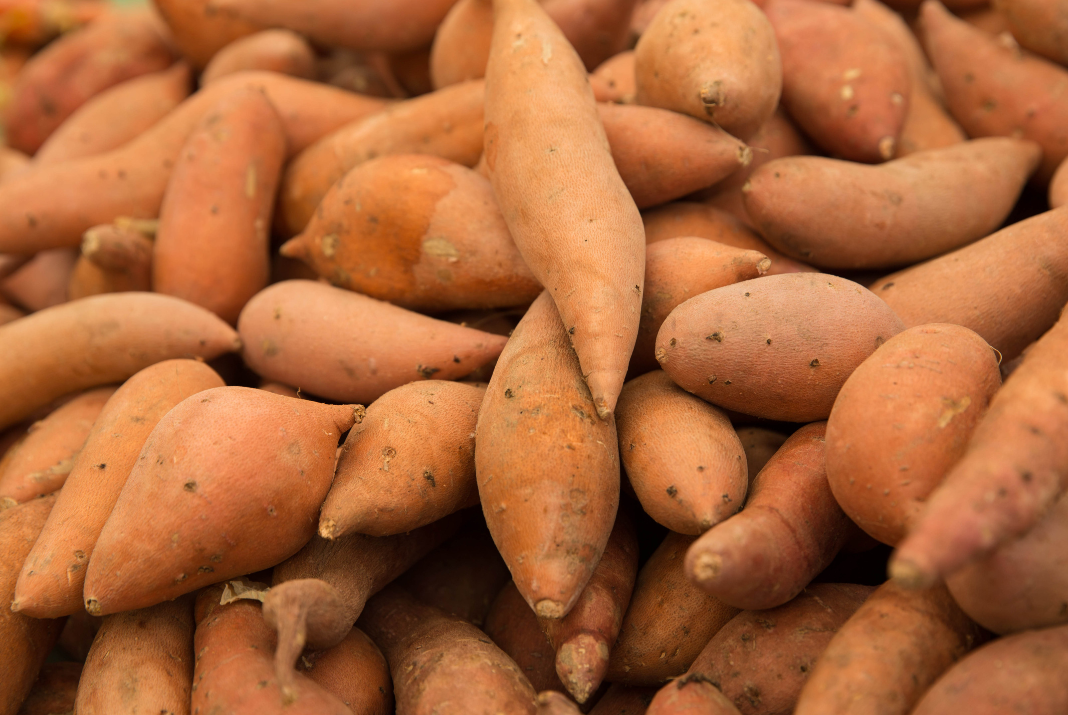
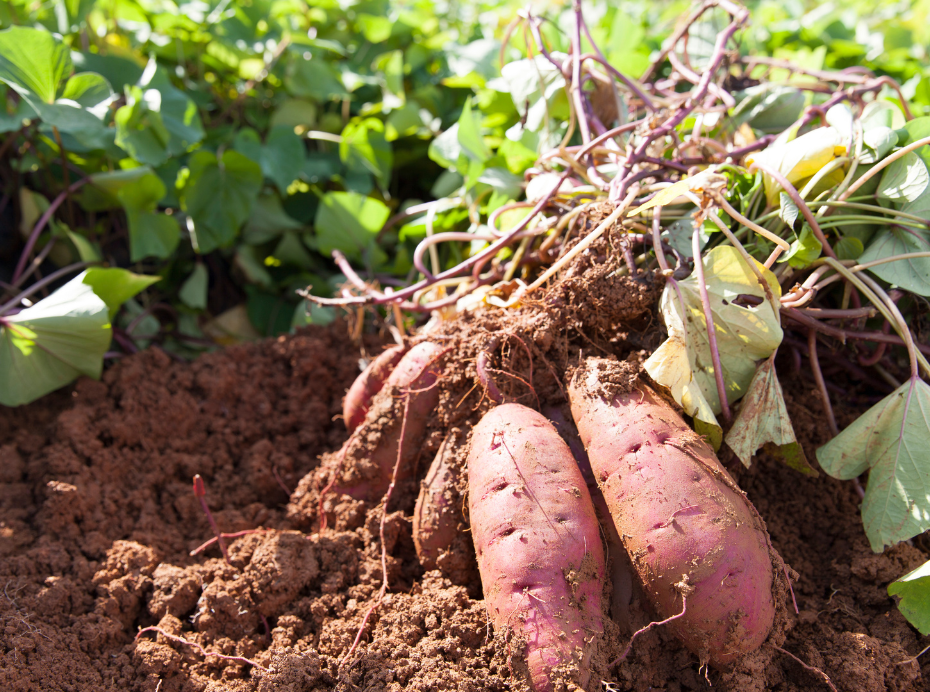
Sweet potatoes (Ipomoea batatas) are more than a comforting root – many varieties, especially dark orange-fleshed ones, are nutrient-dense. A baked sweet potato provides over 100 % of your daily vitamin A needs, along with good quantities of vitamin C, manganese, B6, potassium, and fibre.
Antioxidant and Anti-Inflammatory Powers
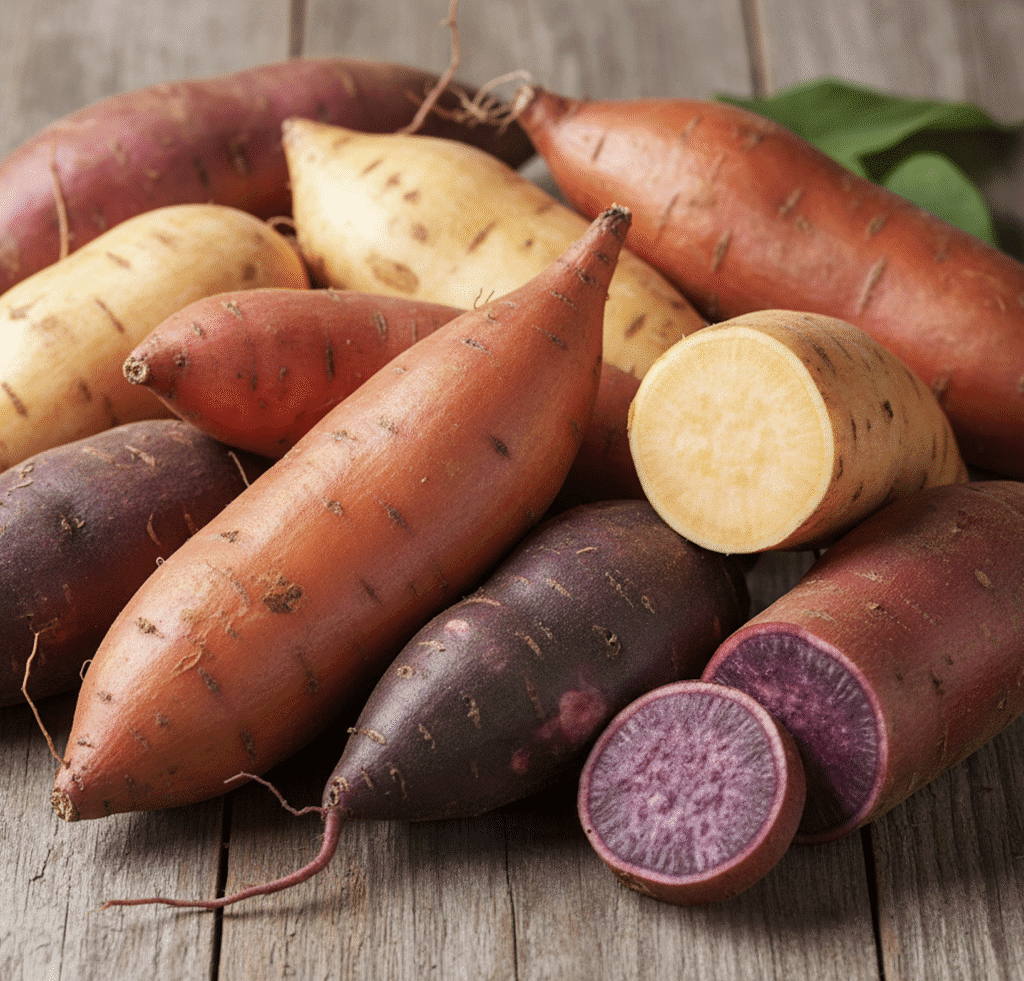
Loaded with carotenoids, anthocyanins, and polyphenols, sweet potatoes – especially purple and yellow varieties – offer potent antioxidant and anti-inflammatory benefits (1). These compounds help support liver health, cardiovascular function, and cognitive resilience.
Immune Support, Cancer Resistance, and Cognitive Health
Studies have attributed sweet potatoes with immunomodulatory, anticancer, neuroprotective, antidiabetic, hepatoprotective, and antimicrobial activities.
Sweet potato leaves, often discarded, may have even greater potential:
- Leaf extracts are rich in chlorogenic acid and polyphenols that exhibit anticancer, antidiabetic, anti-inflammatory, antimicrobial, and hepatoprotective activities.
- Recent findings suggest leaf and stem extracts, from purple and orange varieties, significantly inhibited lung and breast cancer cell growth, in some cases matching or surpassing tamoxifen performance – a well-known drug used in breast cancer treatment (2).
Skin and Collagen Benefits
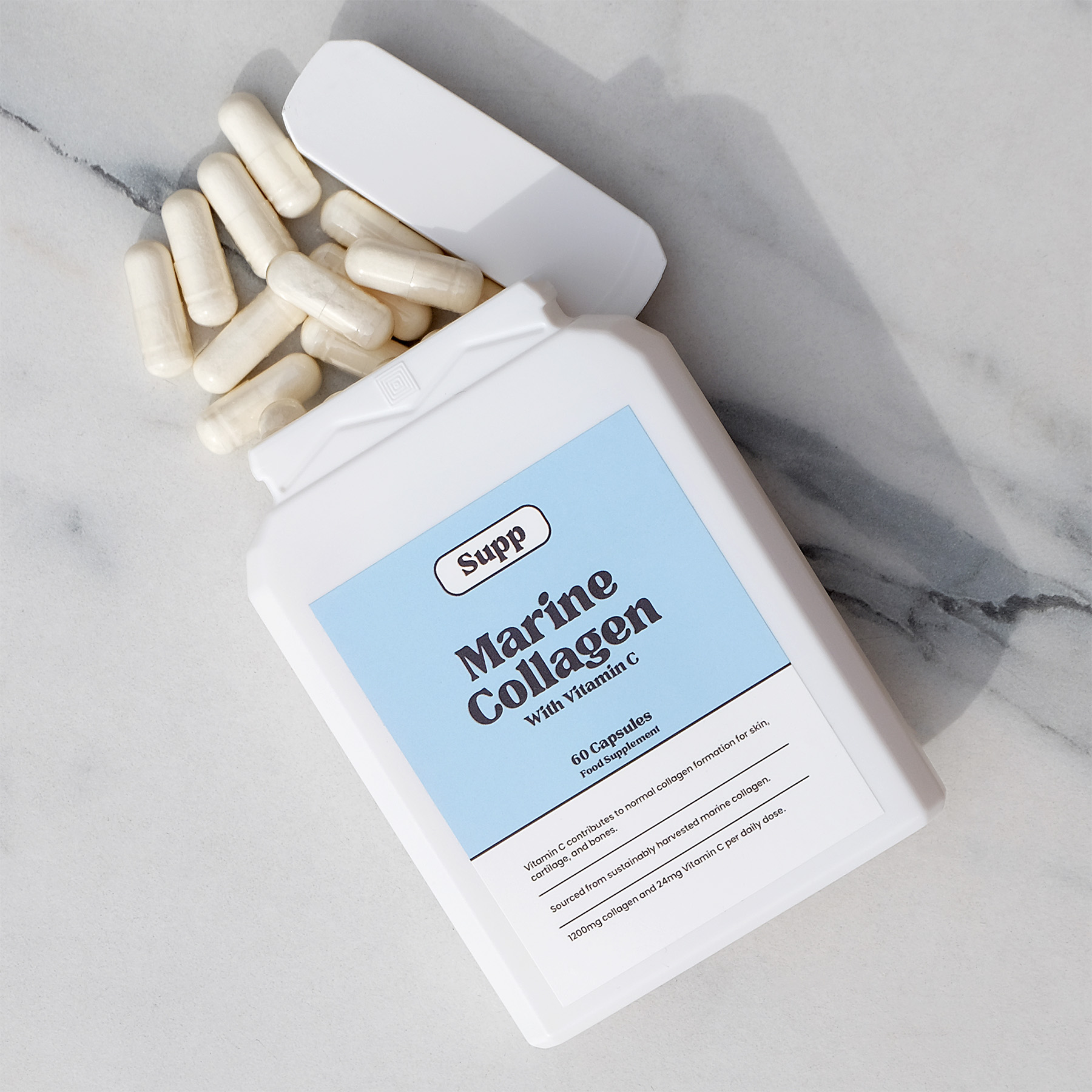
Sweet potatoes support skin health through nourishing antioxidants and vitamins A and C, which help stimulate collagen production, protect against UV damage, and promote skin renewal pathways.
Sweet potatoes support skin health through nourishing antioxidants and vitamins A and C, which help stimulate collagen production, protect against UV damage, and promote renewal pathways.
Research also shows that compounds in sweet potato root can reduce inflammatory markers linked to skin ageing, helping to calm oxidative stress and prevent collagen breakdown — two major contributors to wrinkles and loss of skin firmness (3). By protecting collagen and elastin from damage caused by reactive oxygen species (ROS), sweet potatoes may play a role in slowing visible signs of ageing and supporting long-term skin resilience.
Blood Sugar Regulation and Fibre Content
Sweet potatoes have a moderate glycaemic index, which means they release their natural sugars slowly. This helps avoid the sharp spikes and crashes you might get from refined carbs.
They’re also a great source of soluble fibre – one cup of cooked sweet potato gives you about 6 g. This fibre forms a gentle gel in the gut, slowing down how quickly sugar is absorbed into the bloodstream. The result? More stable energy, fewer cravings, and a feeling of fullness that lasts longer after eating.
Fibre also feeds your beneficial gut bacteria, supporting a healthy digestive system and better overall wellbeing.
Tackling VItamin A Deficiency
Orange-fleshed sweet potatoes are packed with beta-carotene, a plant pigment that your body converts into vitamin A. Vitamin A is essential for healthy vision, immune function, and growth — yet in many parts of the world, deficiency is a serious public health issue and a leading cause of preventable blindness in children.
Introducing orange-fleshed sweet potatoes into local diets has been shown to have a life-saving impact. In studies across Sub-Saharan Africa, programmes encouraging families to grow and eat these nutrient-rich varieties reduced rates of vitamin A deficiency and lowered child mortality by 23–30% (4).
It’s a powerful example of how a simple, affordable food can transform health — not just for individuals, but for entire communities.
Why Sweet Potatoes Deserve a Place on Your Plate
> Packed with nutrients in every bite
- Beta-carotene (Vitamin A): Supports healthy vision, a strong immune system, and glowing skin
- Vitamin C: Helps your body make collagen, keeps your skin and joints healthy, and supports immunity
- Vitamin B6: Important for brain health and energy metabolism
- Potassium: Helps maintain healthy blood pressure and fluid balance
- Manganese: Supports bone strength and enzyme function
- Fibre: Feeds your gut bacteria and keeps digestion running smoothly
> A touch of colour
The brighter the sweet potato, the better for you! Purple and orange varieties are loaded with antioxidants and phytonutrients that help protect your cells, support brain health, and keep inflammation in check.
> Steady energy, Happy gut
Sweet potatoes are naturally fibre-rich and low-glycaemic index, meaning they release energy slowly for steady blood sugar and fewer cravings. The fibre also keeps your digestion happy and helps you feel full for longer.
Final Thoughts
Sweet potatoes are a compelling combination of comfort food and nutritional powerhouse. Their diverse bioactive compounds offer support for vision, skin, immune function, inflammation, blood sugar, and possibly even cancer resilience.
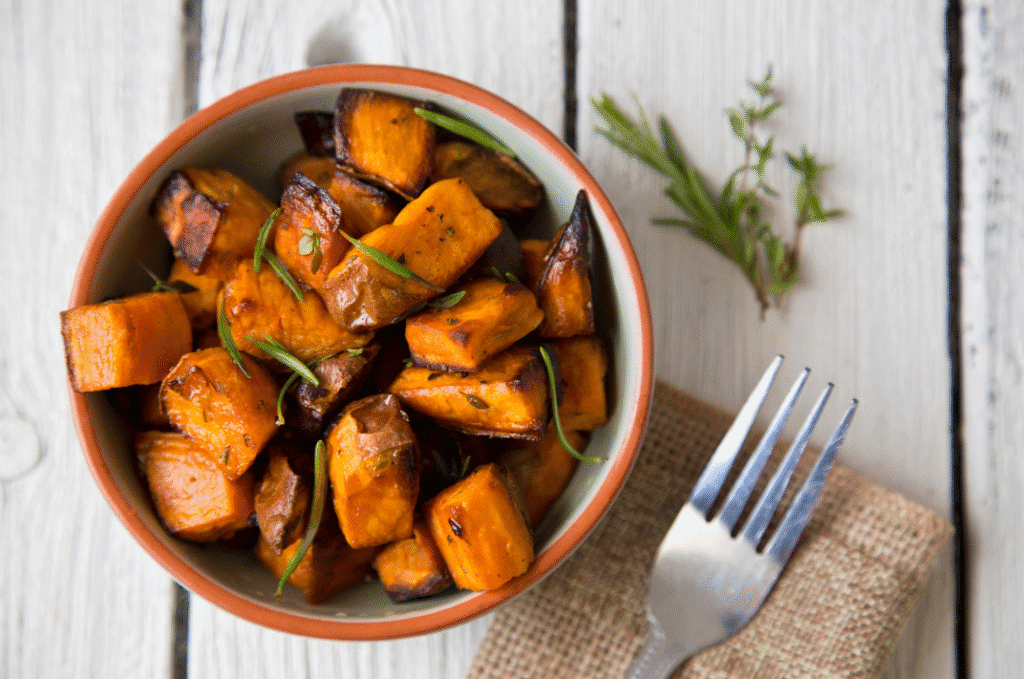
To harness their full potential, consider incorporating different varieties – purple, orange, and their leafy greens – into meals, and favour cooking methods like roasting or steaming to preserve nutrients.
As with all nutrition, balance is key. Always pair dietary insights with professional medical advice – especially in cases of underlying health conditions or medication use.
References
1. Nguyen HC, Chen C-C, Lin K-H, et al. Bioactive Compounds, Antioxidants, and Health Benefits of Sweet Potato Leaves. Molecules. 2021 Mar 24;26(7):1820. doi: 10.3390/molecules26071820. PMID: 33804903; PMCID: PMC8038024.
2. Nwosisi S, Nandwani D, Myles EL. Antiproliferative potential of sweetpotato in breast (BT549) and lung (A549) cancer cell lines. BMC Complement Med Ther. 2025 Feb 26;25(1):79. doi: 10.1186/s12906-025-04770-9. PMID: 40011885; PMCID: PMC11863687.
3. Bibi A, Maqsood S, Arshad MT, Ikram A, Gnedeka KT. Unveiling the role of sweet potato root in skin health: a new approach to collagen synthesis and rejuvenation. Food Sci Nutr. 2025 May 25;13(6):e70281. doi: 10.1002/fsn3.70281. PMID: 40444118; PMCID: PMC12121514.
4. Gurmu F, Hussein S, Laing M. The potential of orange-fleshed sweet potato to prevent vitamin A deficiency in Africa. Int J Vitam Nutr Res. 2014;84(1–2):65–78. doi:10.1024/0300-9831/a000194. PMID: 25835237
5. Zhao S, Zhong L, Li X, et al. Comparative Analysis of Nutrients, Phytochemicals, and Minerals in Colored Sweet Potato (Ipomoea batatas L.) Roots. Foods. 2024 Nov 14;13(22):3636. doi:10.3390/foods13223636. PMID: 39594052
Disclaimer
This article is intended for informational purposes only and should not replace personalised medical guidance.