

Collagen is often described as the body’s scaffolding – a structural protein that keeps your skin firm, hair strong, and joints mobile.
But with so many collagen supplements out there, choosing the right type can feel overwhelming. Two of the most popular sources are marine collagen (from fish) and bovine collagen (from cows). Both are rich in amino acids, but they’re not identical – and those differences matter, especially if your goals include glowing skin, healthy hair, or strong joints.
Let’s break down the science behind both and help you choose the right one for you.
What is Collagen and why does it matter?
Collagen is the most abundant protein in the human body. It makes up around:
- One-third of all protein in the human body
- 80% of total protein in your bones
- 70% of the cartilage in your joints
From your mid-20s, your natural collagen production starts to decline by 1–2% per year – leading to common signs of ageing like wrinkles, joint stiffness, and thinning hair.
Supplementing with collagen can help replenish the body’s stores, but the source and structure of that collagen are key to how well it’s absorbed and put to use.
Marine Collagen vs Bovine Collagen: Key differences
| Feature | Marine Collagen | Bovine Collagen |
| Type | Mostly Type I | Mostly Type I and III |
| Absorption | Smaller peptides = faster | Larger peptides = longer |
| Source | Fish skin and scales | Cow hides and bones |
Why does the type of Collagen matter?

Type I collagen is essential for skin health, making up around 80% of the skin’s support structure. Marine collagen is almost entirely Type I, making it more directly beneficial for skin.
A 2020 study in the Journal of Cosmetic Dermatology found that women who took marine collagen supplements daily for 12 weeks saw visible improvements in:
- Fine lines and wrinkles
- Skin elasticity
- Skin hydration and radiance
Bovine collagen can also support skin health, but its mixed composition may make it slightly less targeted for those seeking beauty benefits specifically.
Why it matters: If radiant, hydrated skin is your main goal, marine collagen is likely to be more effective.
Faster absorption rate = more benefits
Marine collagen is typically made up of smaller peptide molecules compared to bovine collagen. This makes it more bioavailable – meaning it’s easier for your body to digest and absorb.
Fish collagen peptides are absorbed up to 1.5 times more efficiently than bovine-derived ones, meaning they reach your bloodstream faster and can be put to use more effectively.
Why it matters: Better absorption = better results for skin elasticity, hair strength and joint comfort.
Which is more sustainable?
From an environmental standpoint, marine collagen is usually made from parts of the fish that would otherwise go to waste – like skin and scales – making it a lower-waste option. Bovine collagen, on the other hand, is extracted from cow hides, which are typically used in the leather industry. So while both types make use of animal by-products, marine collagen often makes use of materials that wouldn’t otherwise be repurposed.
Why it matters: Choosing marine collagen is a small but meaningful way to support circular, low-waste wellness.
Hair growth & strength:

Collagen plays an important role in supporting the tissues that surround each hair follicle, helping to maintain a healthy scalp environment where hair can grow strong and resilient. It also supports the production of keratin – the key protein that makes up your hair.
Marine collagen is particularly rich in glycine, proline, and hydroxyproline – amino acids essential for collagen synthesis. It also contains arginine, which may help boost circulation to the scalp, delivering more nutrients to the hair root.
For stronger, shinier hair and a healthier scalp, marine collagen offers a highly absorbable source of the building blocks your hair needs.
Joint & bone support:

Marine collagen plays an important role in maintaining strong joints and bones, thanks to its rich profile of amino acids essential for connective tissue health.
A 2021 study in the International Journal of Molecular Sciences tested a specific type of marine collagen on joint cartilage cells. The results were promising:
- Healthier cells – It boosted cell activity and helped delay cell ageing.
- Enhanced repair – It increased the production of collagen types I and II, which are key for healthy cartilage.
- Less breakdown – It lowered levels of enzymes that damage cartilage, especially in inflammatory conditions like arthritis.
- Faster healing – It helped cells migrate and grow more quickly to repair damaged tissue.
These findings suggest marine collagen may ease joint discomfort, improve flexibility, and support long-term cartilage health – especially in active individuals or those experiencing age-related decline.
While bovine collagen also supports joint function, marine collagen offers a highly bioavailable source of the nutrients needed to strengthen bones, cartilage, and ligaments – making it a valuable addition to any joint health routine.
FAQ’s
Is marine collagen suitable for pescatarians?
Yes – marine collagen is derived from fish skin and scales, making it a great option for pescatarians. It’s not suitable for strict vegetarians or vegans, but it’s one of the most accessible options for those who avoid red meat or poultry.
Do I need to take vitamin C with marine collagen?
Vitamin C plays a key role in collagen synthesis – it helps your body convert amino acids from collagen peptides into usable collagen. Taking marine collagen with vitamin C can enhance absorption and effectiveness, especially for skin, joint, and connective tissue support.
How long does it take for collagen supplements to work?
Most people start noticing changes in skin hydration, elasticity, or joint comfort within 4 to 12 weeks of daily use. Collagen works gradually as your body uses the amino acids to repair and rebuild tissues – so consistency is key for visible results.
The Bottom Line: Which One Should You Choose?
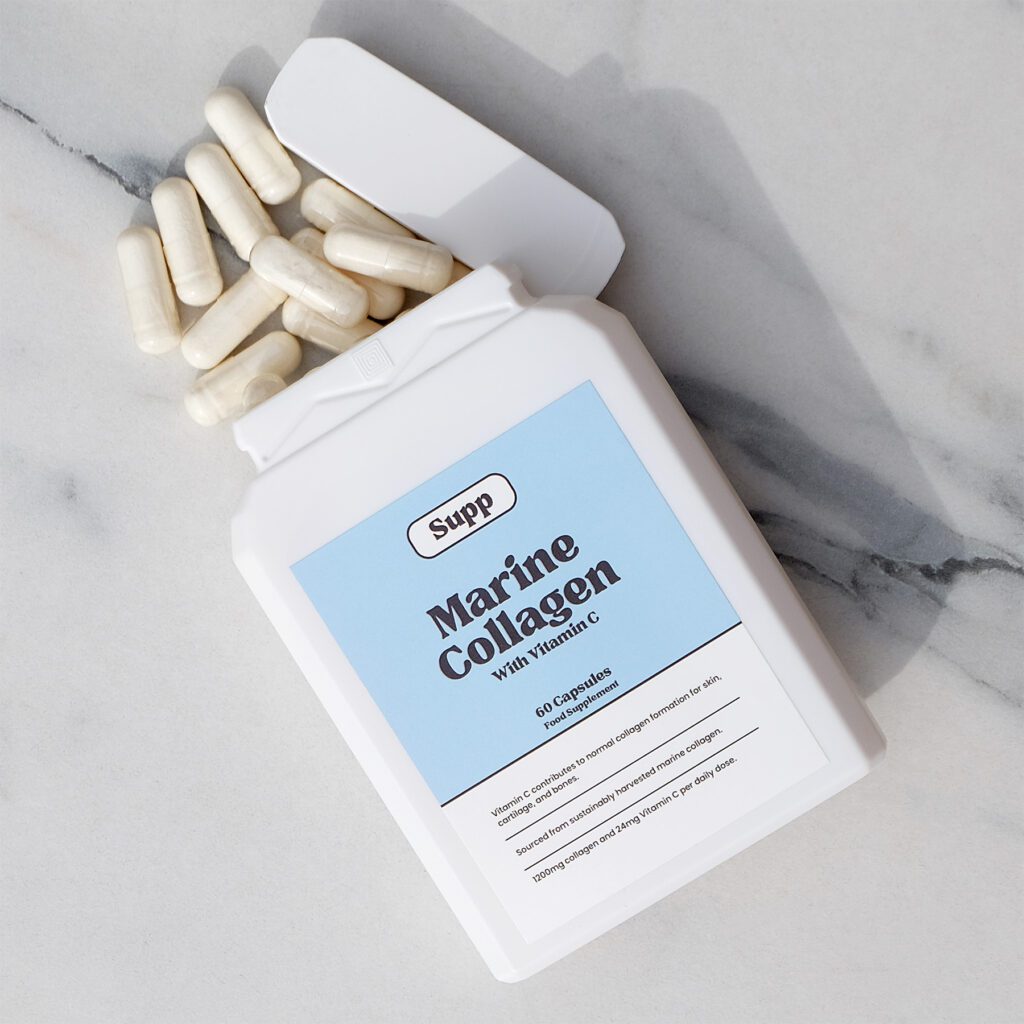
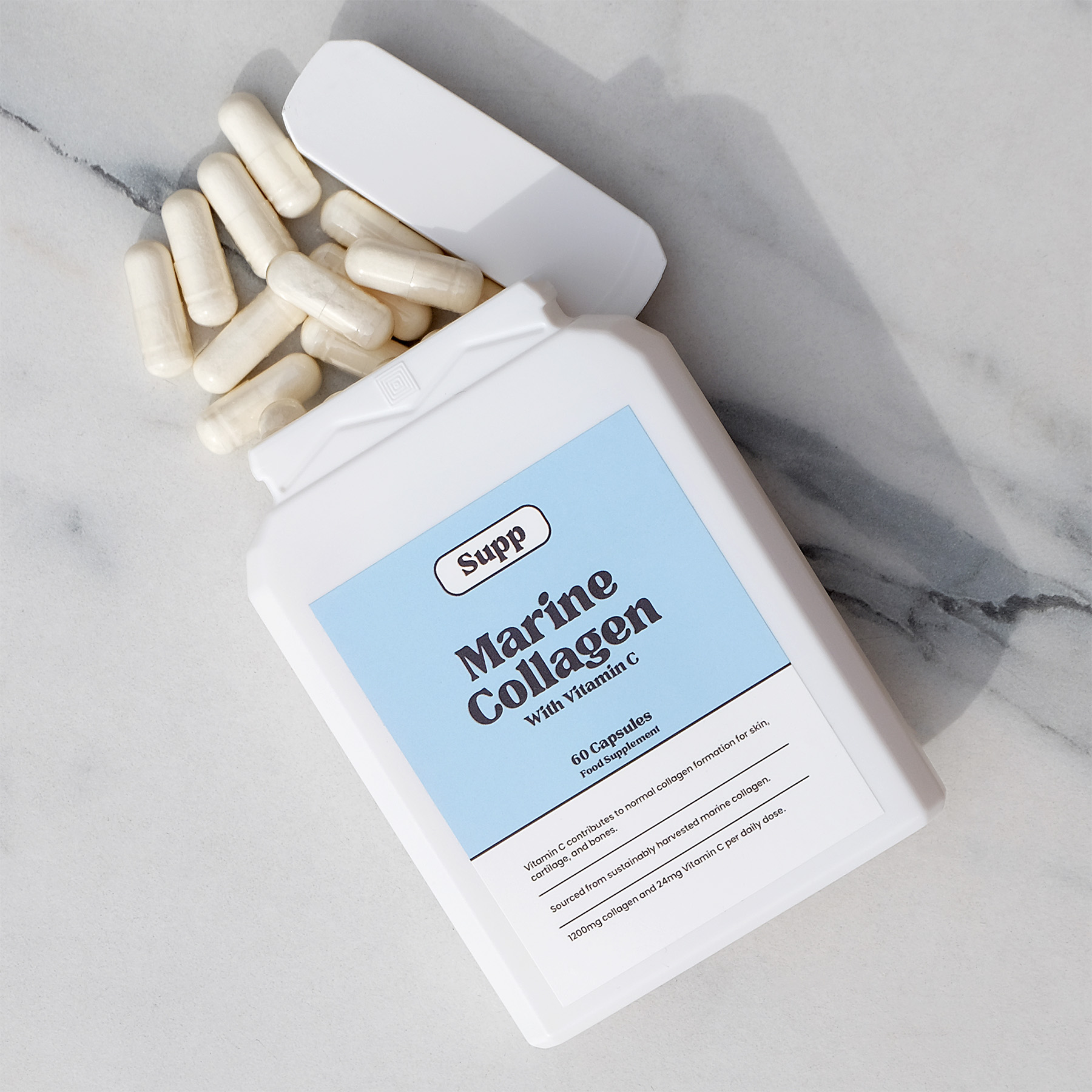
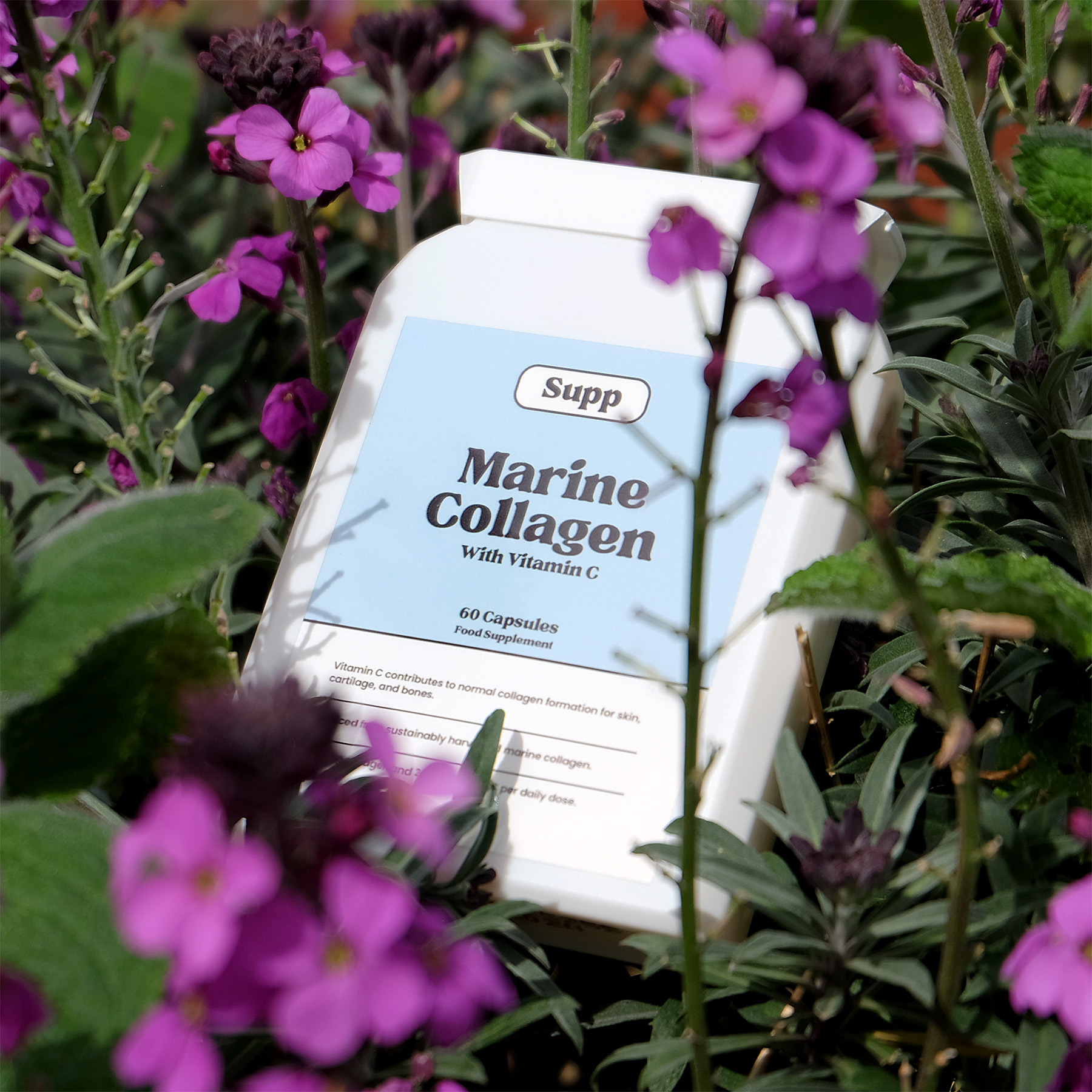
Marine collagen is a science-backed way to nourish your skin, hair, and joints from within. Its higher absorption rate, skin-targeting Type I structure, and sustainable sourcing make it an excellent choice for those looking to invest in long-term wellness.
So if you’re choosing between marine and bovine collagen, ask yourself: what’s your priority? If it’s beauty from within, mobility as you age, and clean, efficient nutrition – marine collagen is likely your best bet.
Shop for our Marine Collagen here.