


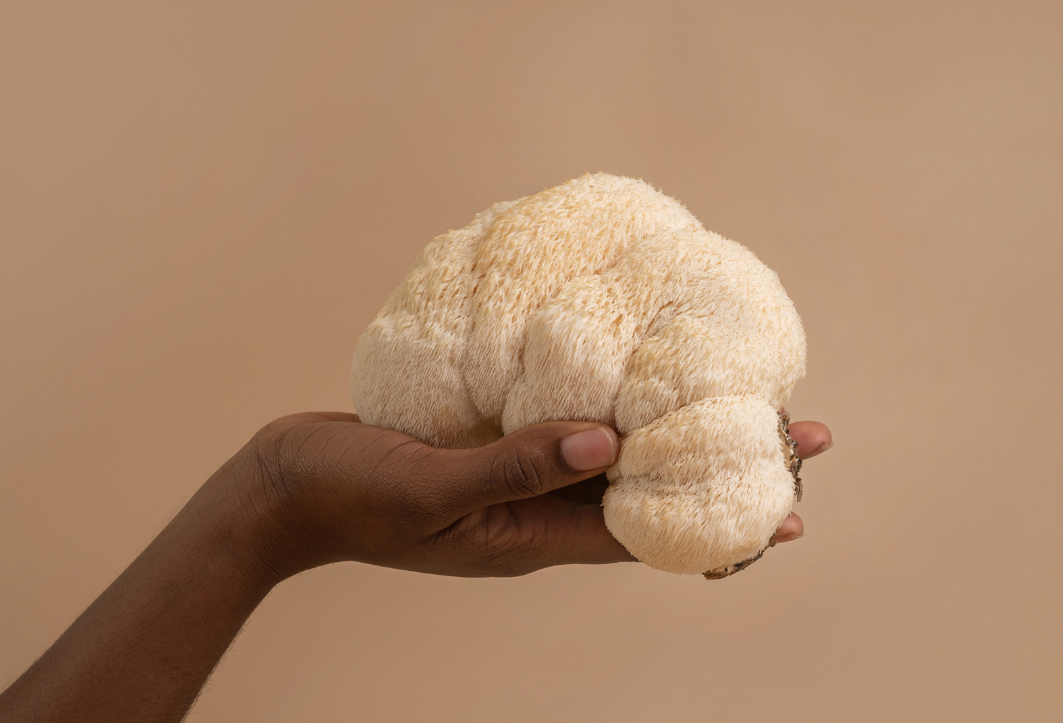
Lion’s Mane mushroom has gained attention for its potential to sharpen focus, enhance memory and boost productivity. This distinctive white, shaggy mushroom, known scientifically as Hericium erinaceus, has quickly become a favourite in wellness communities for its brain-supporting benefits. In this article, we explain how Lion’s Mane may work, what current research reveals, and how to incorporate it into your daily routine.
What is Lion’s Mane and why do people take it?
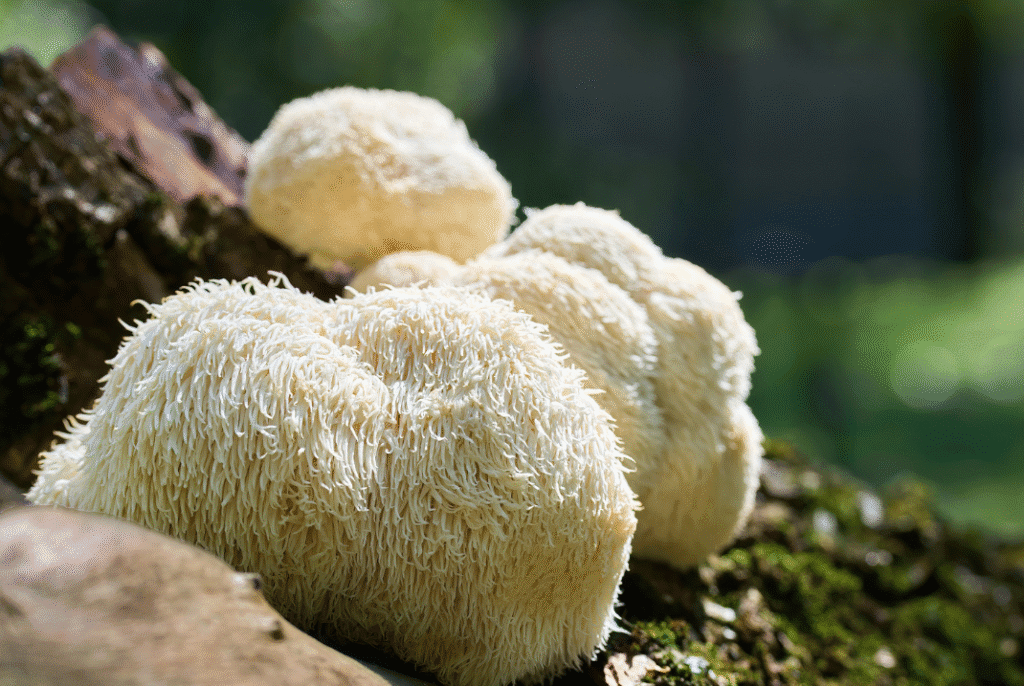
Lion’s Mane is an edible and medicinal mushroom used in East Asian cuisines and traditional health practices. Modern interest centres on potential nootropic effects, meaning support for cognitive functions such as attention, memory and learning. The spotlight is on natural molecules inside the mushroom that seem to encourage the brain to maintain healthy nerve cells and connections.
How does Lion’s Mane support focus and mental clarity?
There are two main active compounds in Lion’s Mane that are thought to support brain health:
- Hericenones, found mainly in the visible part of the mushroom (the fruiting body)
- Erinacines, found in the root-like part that grows underground (the mycelium)
Both work together to help stimulate the brain’s natural growth and repair processes. In laboratory research, extracts from Lion’s Mane mushrooms have been shown to stimulate Nerve Growth Factor (NGF) activity and neurite outgrowth, which is the process by which neurons extend their branches to communicate (1). NGF helps neurons survive and function. While these lab results do not guarantee the same effects in people, they provide a plausible mechanism for the focus and memory benefits.
What do human studies show?
> Older adults with mild memory concerns
One of the most cited clinical trials looked at 50 to 80 year old adults with mild cognitive impairment. Participants took Lion’s Mane for 16 weeks and saw improvements in cognitive test scores compared with placebo (2). Interestingly, the gains faded after they stopped taking it, suggesting the benefit is tied to ongoing use.
> Healthy younger adults
What about focus and productivity if you’re already healthy and simply want to perform at your best? A 2023 randomised, placebo-controlled trial looked at both short-term and longer-term effects of Lion’s Mane in healthy young adults. Participants who took Lion’s Mane showed faster reaction times in certain cognitive tasks and reported feeling calmer and more focused under pressure compared to those on placebo (3).
This study was quite small, so the authors recommended larger trials to confirm these findings. Some other measures showed no significant difference, which is common in research on natural nootropics. The takeaway? Lion’s Mane is not an instant “on switch” for focus, but when taken consistently over several weeks, it can support clearer thinking and a more balanced, productive mindset.
> Mood, stress & sleep
Focus is not only about memory and processing speed. Low level stress and poor sleep can derail productivity. Small clinical studies have explored Lion’s Mane for mood and sleep quality. In a four week placebo controlled study in menopausal women, the Lion’s Mane group reported reduced anxiety and depression scores and fewer “indefinite complaints” – a term used in clinical research to describe vague symptoms that don’t fit a specific diagnosis, such as fatigue, low mood, irritability, and difficulty concentrating (4). Participants felt calmer, more focused, and with an improved mood, suggesting Lion’s Mane may help support emotional balance and overall mental wellbeing.
In another eight week study in people with overweight or obesity following a calorie controlled diet, researchers observed improvements in depression, anxiety and sleep measures (5). This was not a pure cognition trial, but it supports the idea that Lion’s Mane could help the mind feel steadier, which can indirectly support focus.
How to use Lion’s Mane in your daily routine
Think habit, not quick fix. The most positive human trial data involves daily use over several weeks. If you decide to try Lion’s Mane, aim for consistency and give it time to work alongside good sleep, movement and a balanced diet.
> Choosing a quality Lion’s Mane product
When it comes to brain health supplements, quality really matters. Look for a UK-made Lion’s Mane that clearly states which part of the mushroom is used, how it’s extracted, and whether it’s independently tested for purity.
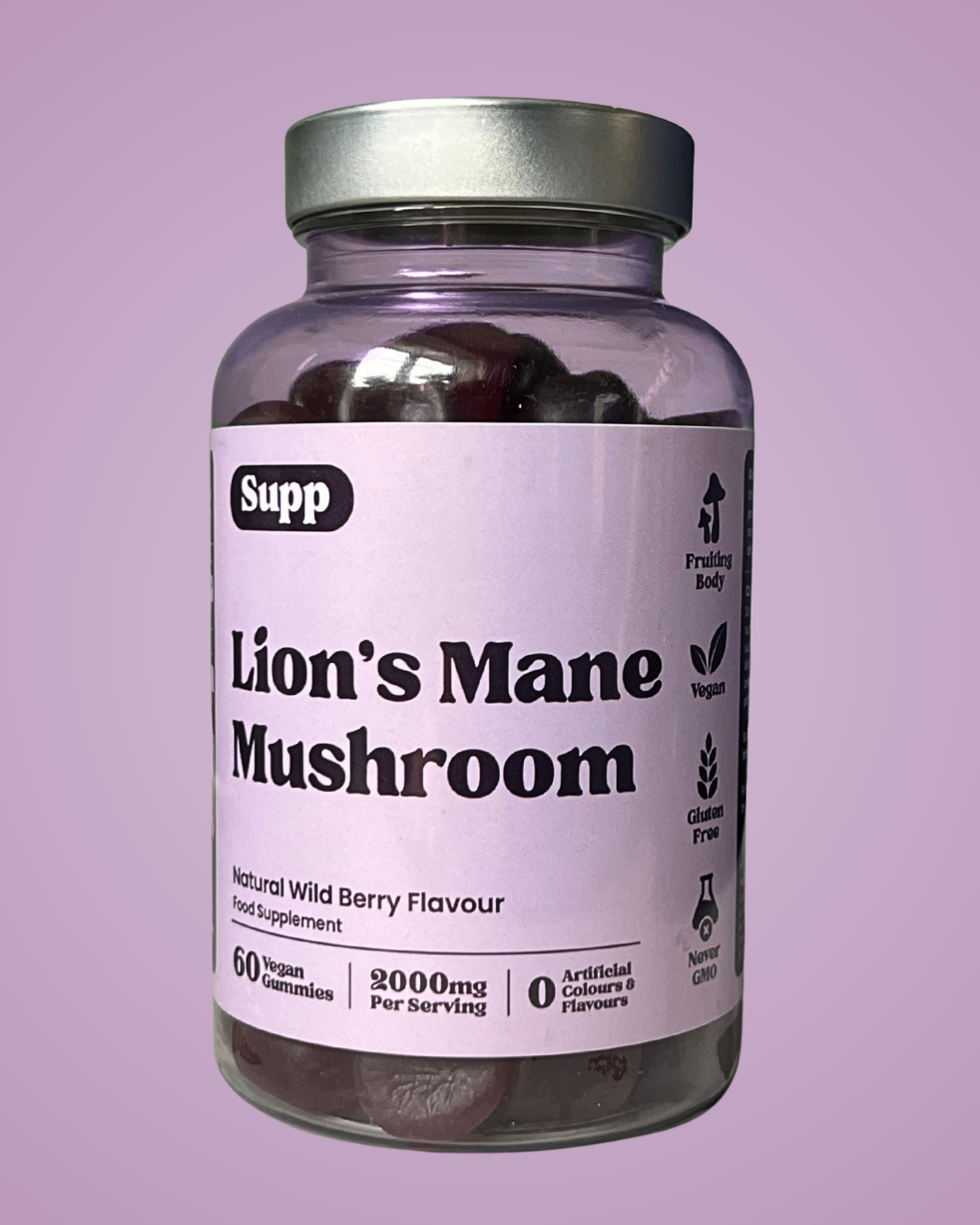
At Supp, we use a high-strength 10:1 fruiting body extract, delivering the equivalent of 2000 mg of dried Lion’s Mane in every daily serving. Our gummies are vegan, gluten-free, and caffeine-free, made right here in the UK, and tested for safety and consistency.
It’s the perfect way to support focus and mental clarity, with all the benefits of Lion’s Mane, and none of the effort of brewing powders or capsules.
> Choosing the correct dosage
Human studies on Lion’s Mane vary in dosage and duration, but most have used daily amounts between 1000 mg and 3000 mg of dried mushroom over several weeks.
Supp’s Lion’s Mane Gummies provide a high-strength 10:1 fruiting body extract, delivering the equivalent of 2000 mg of dried mushroom per day – right in the ideal middle ground seen across research. High enough to be meaningful, yet well within safe, studied limits. This makes them a convenient and effective way to support focus, memory, and cognitive wellbeing without the need for multiple capsules or powders.
As always, it’s best to follow the guidance on the label and not exceed the recommended intake. If you have any health concerns or are taking medication, consult your GP or healthcare professional before use.
> Choosing when to take
Many people take Lion’s Mane in the morning or early afternoon. If you find it too stimulating later in the day, move it earlier. There is no universal best time, so match it to your routine.
> Pair with healthy daily habits
For day to day focus, pair Lion’s Mane with simple daily habits that also support brain health:
- Prioritise good sleep – your brain repairs and consolidates memories while you rest.
- Stay hydrated and nourished with balanced meals rich in whole foods.
- Make time for movement, even short walks, to boost circulation and mental energy.
- Keep your mind active and engaged through reading, learning, or creative tasks.
Safety and who should avoid
Lion’s Mane is generally well tolerated in studies and traditional food use. Allergies to mushrooms can occur, and rare digestive upset has been reported anecdotally. If you are pregnant, breastfeeding, have a diagnosed medical condition, or take prescription medicines, speak to your GP or pharmacist before use.
What realistic benefits can you expect?

Lion’s Mane isn’t a quick-fix or an instant brain boost — but when taken consistently, research and user experience suggest it can support genuine, lasting improvements in how you think and feel. Here’s what you can realistically expect:
- Sharper focus and mental clarity – Many people report feeling more “switched on” and less mentally foggy after a few weeks of consistent use.
- Improved concentration – Helps you stay present and focused during study sessions, work tasks, or creative projects.
- Better memory and recall – Studies suggest Lion’s Mane may support nerve growth factor (NGF), which plays a role in forming and maintaining memory pathways.
- Calmer, more balanced mood – Some research shows Lion’s Mane can help reduce mild anxiety and stress, supporting a more focused and composed mindset.
- Smoother mental energy – Because it’s naturally caffeine-free, you’ll get a steady sense of alertness without the spikes or crashes linked to stimulants.
- Long-term brain support – Early research indicates Lion’s Mane may help protect nerve cells and support healthy brain ageing when used regularly.
In short, you may not feel a sudden jolt of energy on day one, but over time, you can expect clearer thinking, steadier focus, and a calmer, more productive mindset.
In Conclusion
Lion’s Mane is a fascinating natural option for brain support. Lab studies show that its unique compounds can stimulate NGF related pathways, which offers a clear biological rationale. For focus and productivity, treat Lion’s Mane as a steady addition to a sensible routine, and give it time to work.
If you decide to try Lion’s Mane, check out our Lion’s Mane Gummies! Be consistent for at least 6 to 8 weeks, and keep the rest of your wellbeing foundations in place. If you have any health questions, speak to a health professional first.
References
- Lai P-L, Naidu M, Sabaratnam V, Wong K-H, et al. (2013). Neurotrophic properties of the Lion’s Mane medicinal mushroom, Hericium erinaceus (Higher Basidiomycetes) from Malaysia. International Journal of Medicinal Mushrooms, 15(6), 539–554. https://pubmed.ncbi.nlm.nih.gov/24266378/
- Mori, K., Inatomi, S., Ouchi, K., Azumi, Y., & Tuchida, T. (2009). Improving effects of the mushroom Yamabushitake (Hericium erinaceus) on mild cognitive impairment: a double-blind, placebo-controlled clinical trial. Phytotherapy Research, 23(3), 367-372. https://pubmed.ncbi.nlm.nih.gov/18844328/
- Docherty, A. R., Smith, D. J., Tan, G., & Roberts, C. A. (2023). Acute and chronic effects of Hericium erinaceus (Lion’s Mane mushroom) on cognition, mood, and biomarkers in healthy adults: a randomized, placebo-controlled trial. Nutrients ,15(22), 4842. https://pubmed.ncbi.nlm.nih.gov/38004235/
- Nagano, M., Shimizu, K., Kondo, R., Hayashi, C., Sato, D., Kitagawa, S., & Hosokawa, K. (2010). Reduction of depression and anxiety by 4 weeks Hericium erinaceus intake. Biomedical Research, 31(4), 231–237. https://pubmed.ncbi.nlm.nih.gov/20834180/
- ytwu, H.-K., Lin, C.-C., Wang, P.-J., Wu, C.-L., Chuang, J.-I., Chen, N.-C., & Lee, C.-W. (2019). Effects of Hericium erinaceus (Lion’s Mane) on depression and anxiety in overweight or obese individuals during a calorie-restricted diet: a randomized, double-blind, placebo-controlled trial. Nutrients, 11(7), 1650. https://pmc.ncbi.nlm.nih.gov/articles/PMC6500611/
Disclaimer
This article is intended for informational purposes only and should not replace personalised medical guidance.