

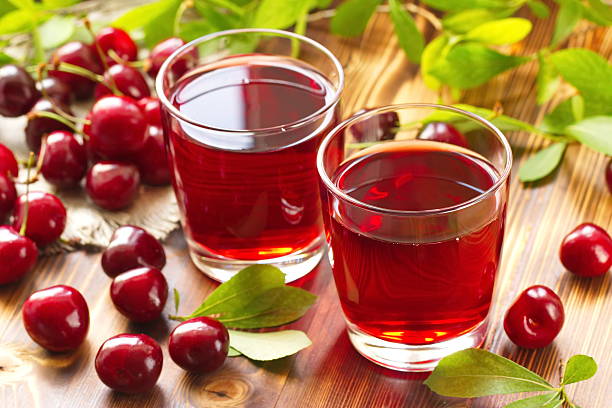
If you’re looking after your liver, you’ve probably seen tart cherry juice (usually Montmorency cherry) praised for its antioxidants. But does it actually help your liver? Or could the sugar in juice do more harm than good? Here’s what the evidence says.
What’s in tart cherry juice that might matter for liver health?
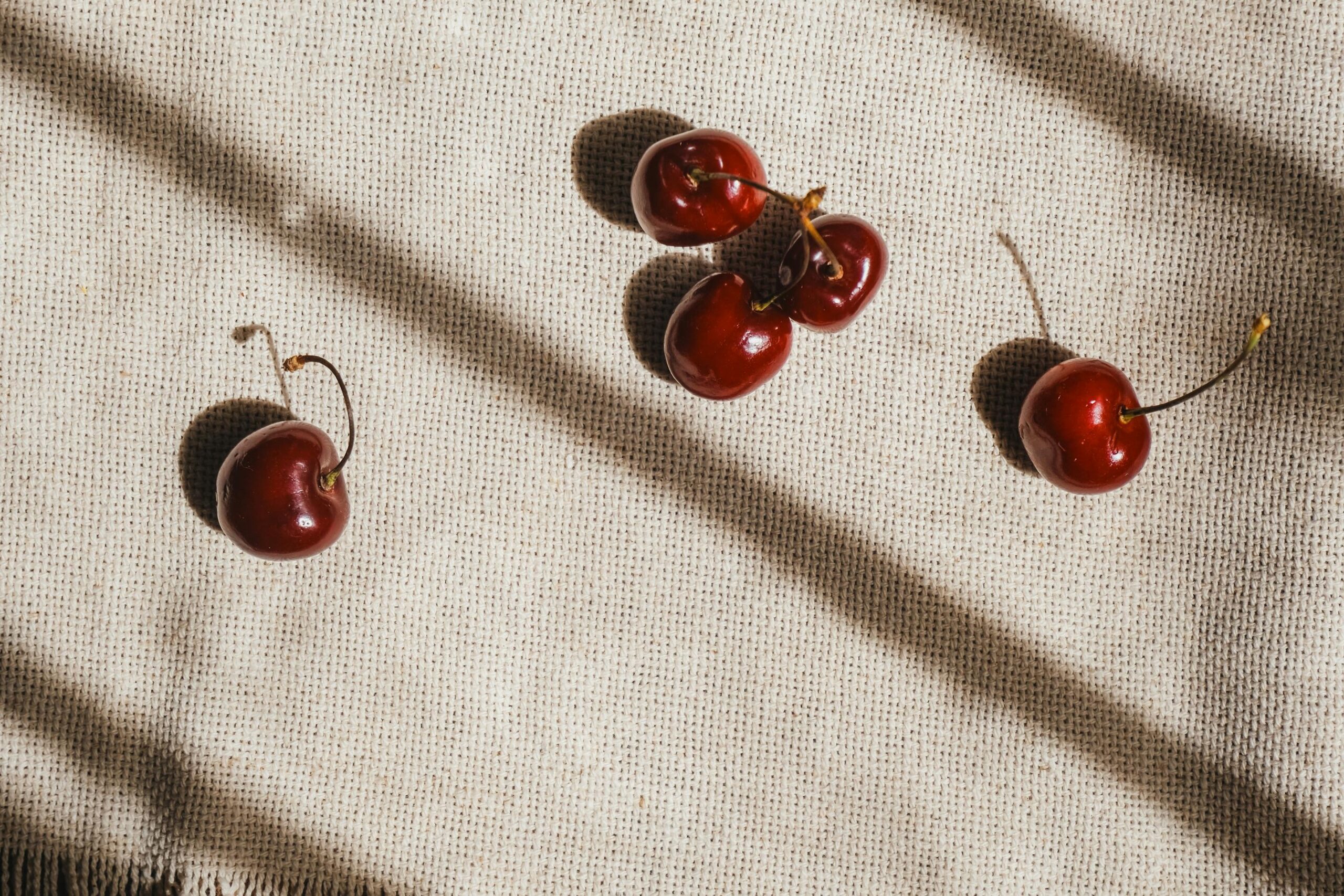
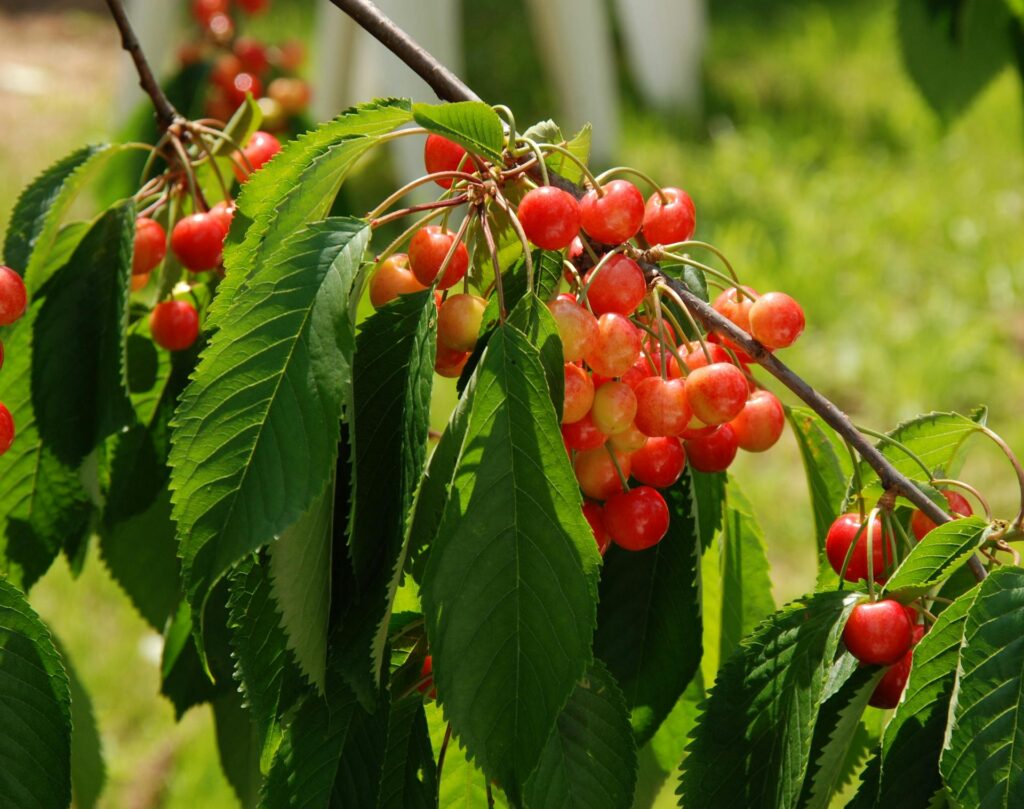
Tart cherries are rich in polyphenols, particularly anthocyanins (e.g., cyanidin-3-glucoside), which show antioxidant and anti-inflammatory activity in laboratory and animal studies. These mechanisms are relevant to fatty liver, which involves oxidative stress and low-grade inflammation.
The theory
Antioxidants can help protect cells from oxidative stress and may influence pathways involved in fat handling in the liver (e.g., AMPK activation seen in preclinical work).
In rodent models of diet-induced obesity, tart cherry components have shown signs of hepatoprotection (improved cellular stress responses and autophagy). Animal data are encouraging but don’t equal proven human benefit.
What do human studies show?
Whilst tart cherry has many uses and potential benefits, human evidence of the impact it can have on liver health is limited. Most trials are small, short-term, and rarely designed to assess liver outcomes directly. Where reported, liver enzymes (ALT, AST, GGT) are used as proxies, so with that in mind, here’s what the data suggest.
1) Safety signal (short term)
A randomised, crossover pilot in overweight/obese adults (10-week protocol; 4 weeks of 240 ml/day 100% tart cherry juice vs placebo) found no significant changes in liver or kidney function tests. That suggests typical servings of unsweetened tart cherry juice did not worsen hepatic biomarkers over 4 weeks. Spandidos Publications
2) Markers related to cardio-metabolic health
Several trials link tart cherry juice to modest improvements in inflammation or oxidised lipids in specific groups (e.g., older adults, metabolic syndrome), but these studies did not target liver outcomes. Any liver benefit here is indirect and unproven. PMC & PubMed
3) Anthocyanins and NAFLD (broader evidence)
Zooming out from cherries to anthocyanins generally:
- A systematic review/meta-analysis in NAFLD found no convincing evidence that anthocyanins improve liver fibrosis or blood lipids, though there was a small reduction in body fat percentage. PMC
- Observational data link higher anthocyanin intake with lower odds of NAFLD, but this type of evidence can’t prove cause and effect. Frontiers
Bottom line: In people, the best we can currently say is that tart cherry juice appears safe in the short term for liver enzymes, but benefit specifically for liver disease isn’t established.
Sugar: why your serving matters
Even 100% fruit juice contains free sugars (the fibre’s gone), which can drive excess calorie intake and may worsen fatty liver when over-consumed. Multiple reviews link sugar-sweetened beverages to higher NAFLD risk in a dose-response fashion. PMC
That’s why UK guidance recommends limiting fruit juice/smoothies to 150 ml/day and having them with meals to reduce tooth decay risk. For liver-conscious choices, this is a sensible ceiling.
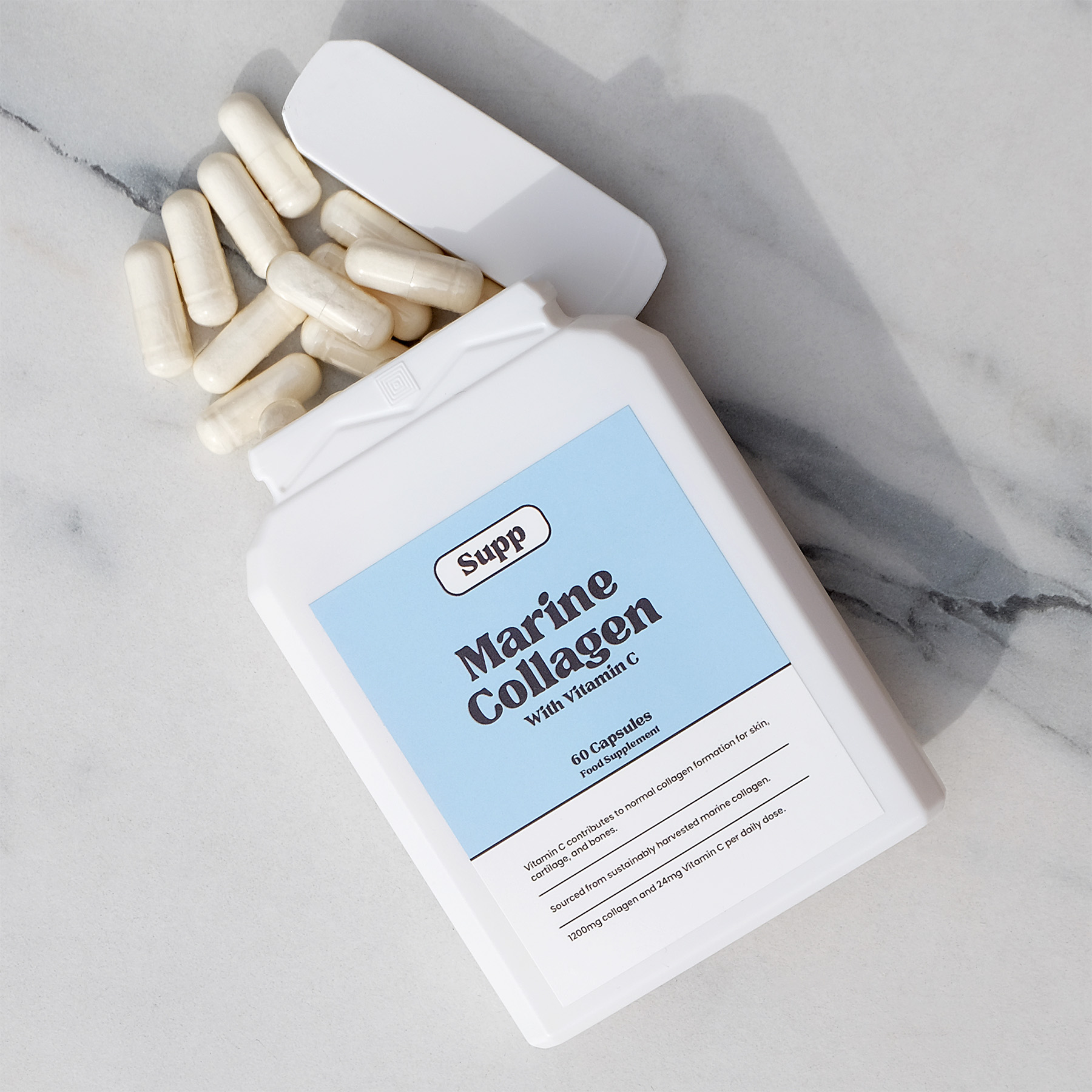
If you want to try tart cherry without the free sugars, opt for a standardised tart cherry extract (capsules) or a low-sugar/diluted concentrate. These provide the polyphenols/anthocyanins with negligible sugar. Capsules deliver all the benefits of tart cherries with zero sugar, <2 kcal, and no teeth staining.
So… is tart cherry juice “good for your liver”?
Tart cherry is possibly supportive for liver health as part of an overall healthy diet, thanks to its polyphenols, but not a treatment and not proven to improve liver outcomes in humans.
The sugar load of juice means portion control is key; if you have NAFLD or you’re watching free sugars, a low-sugar concentrate (diluted), or a capsule/extract can deliver cherry polyphenols with far less sugar.
Practical guidance
If you enjoy tart cherry juice:
- Choose unsweetened, 100% juice.
- Stick to 150ml per day (counts as one of your 5-a-day) and ideally have it with a meal.
- If you need a daily intake for other goals (e.g. sleep, workout recovery), consider alternatives to full-sugar juice (e.g., diluted concentrate measured to keep total free sugars low, or capsules).
If your goal is liver health (especially fatty liver):
- Prioritise weight management, fibre-rich whole foods, and cutting back free sugars.
- Keep overall sugary drinks to a minimum; water, unsweetened tea, and sugar-free options are better defaults.
- If using supplements/extracts, choose products with transparent labelling and no unnecessary additives.
Important: If you have diagnosed liver disease, are pregnant/breastfeeding, or take medication, speak to your GP or a registered dietitian before making dietary changes.
FAQs
If you have a question not answered here, please leave a comment!
Does tart cherry juice “detox” the liver?
No. Your liver already handles detoxification. Foods and supplements don’t “detox” it; they can at best support overall health habits that reduce strain (e.g. less sugar, balanced diet, physical activity).
What serving did trials use?
Common human studies used around 240 ml/day of 100% tart cherry juice short term. That’s above the UK’s 150 ml/day guidance for juice, so from a sugar standpoint, keep portions modest if you’re choosing juice regularly, or try an alternative such as extract capsules.
Is a tart cherry extract better than juice if I’m watching sugar?
Often, yes. A standardised tart cherry extract (e.g. capsules) delivers the key polyphenols/anthocyanins with negligible sugar, making it a more liver-conscious option than regular juice. Look for products that avoid unnecessary additives, and follow the maker’s directions. Not a treatment for liver disease, use as part of an overall healthy diet.
How I use tart cherry
I take our tart cherry extract capsules in an effort to help improve my muscle recovery after climbing. I’ve noticed it does reduce the amount of time my upper back and shoulders ache for especially. I don’t use it speciafically for my liver health.
For liver-first health goals, we’d recommend keeping juice to 150 ml max and considering low-sugar extracts to get the polyphenols without the sugar hit, and always use any food supplementation as part of a broader plan (diet quality, movement, sleep, weight management).
References
Martin KR et al. Tart cherry juice consumed daily for 4 weeks does not impair or exacerbate biomarkers of metabolic function in at-risk overweight and obese subjects: A randomized, crossover pilot study. Int J Funct Nutr. 2021. Spandidos Publications
Martinelli I et al. Effects of Prunus cerasus L. seeds and juice on liver steatosis in rats. Nutrients/PMC. 2020. PMC
Khan NN et al. Anthocyanins as adjuvant treatment for non-alcoholic fatty liver disease: a systematic review and meta-analysis. Nutrients/PMC. 2024. PMC
Xiang S et al. Higher anthocyanin intake is associated with a lower risk of NAFLD. Frontiers in Nutrition. 2023. Frontiers
Chai SC et al. Effects of tart cherry juice on biomarkers of inflammation and oxidative stress in older adults. Food & Function/PMC. 2019. PMC
Chen H et al. Consumption of sugar-sweetened beverages has a dose-dependent effect on the risk of NAFLD: systematic review/meta-analysis. Eur J Gastroenterol Hepatol/PMC. 2019. PMC
NICE (NCBI Bookshelf). Fructose advice – should people with NAFLD restrict fructose or sugar? NCBI
NHS. 5 A Day – what counts? (limit fruit juice/smoothies to 150 ml/day). nhs.uk
Ferretti G et al. Cherry antioxidants: from farm to table. Molecules/PMC. 2010. (Mechanistic background; animal liver antioxidant data). PMC
Ahn S et al. Sour cherry ameliorates hepatic lipid synthesis in high-fat diet models via AMPK signalling. J Nutr Health. 2023. (Preclinical.) e-jnh.org
Jawad M et al. Comprehensive polyphenolic characterisation of Montmorency tart cherry products. Foods (MDPI). 2025. (Composition context.) MDPI
Romero-Gómez M et al. Nutrition could prevent or promote NAFLD. BMJ. 2023. (Lifestyle context.) BMJ
Disclaimer: This article provides general information only and isn’t a substitute for medical advice. Always consult your health practitioner before use, especially if you have a diagnosed liver condition or take medication.