

There’s something instantly uplifting about citrus. The scent of a freshly cut lemon, the sparkle of lime in a drink, the brightness it brings to a dish – it’s flavour that feels alive. But beyond that refreshing tang lies real nutritional power.
Citrus fruits are rich in vitamin C, flavonoids and essential oils. These are all compounds shown to support your body in everything from immunity and collagen production to circulation and mood balance.
Across our Health Hub, you’ll find recipes that make the most of these vibrant ingredients. From our One-Pan Greek Lemon-Oregano Chicken and Chickpea Tagine with Lemon, Spinach and Herbed Rice to the No-Bake Lemon & Almond Cheesecake Pots and Greek Lemon & Mint Spritz. Here’s what the science says about why citrus deserves a regular place on your plate.
Vitamin C: Your Everyday Immune Ally

Vitamin C (ascorbic acid) is one of the most studied nutrients in human health, and for good reason. It’s a water-soluble antioxidant that supports immune defence by helping white blood cells function effectively while protecting them from oxidative stress. Because your body can’t store it, you need a consistent daily supply through food.
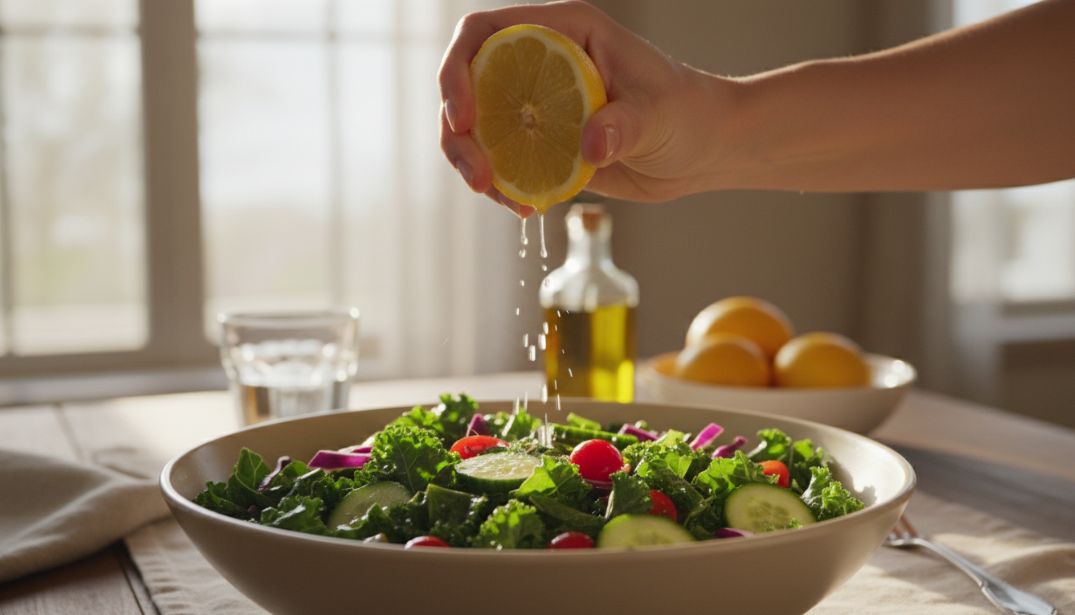
Even a squeeze of lemon or lime juice can add meaningful amounts of vitamin C to your diet. Regular intake has been linked to reduced oxidative damage during infection, intense exercise, or exposure to environmental pollutants.
Studies have also shown that vitamin C plays an essential role in enzymatic reactions involved in tissue repair and immune function (1).
Supp tip: Combine citrus with iron-rich foods such as chickpeas, spinach, or lentils to improve iron absorption. A simple way to support sustained energy.
Flavonoids: Plant Compounds with a Protective Edge
Citrus fruits also contain natural plant compounds called flavonoids, particularly hesperidin, naringenin and quercetin. These powerful antioxidants are found mainly in the peel and pith, and research suggests they do much more than add subtle bitterness.
A 2024 review found that citrus flavonoid supplementation significantly improved flow-mediated dilation, a key indicator of vascular health, suggesting better circulation and endothelial function (2). In simple terms, this means that regularly consuming citrus compounds may help your blood vessels relax and function more efficiently, supporting healthy blood flow and heart health over time.
Earlier research also highlights their anti-inflammatory and antioxidant effects, helping to protect cells from oxidative stress and support metabolic balance (3). These compounds help your body handle everyday stress at a cellular level, reducing inflammation, supporting steady energy, and keeping your metabolism running smoothly.
Supp tip: Adding zest is one of the simplest ways to harness these benefits as it’s where flavonoids are most concentrated.
For inspiration, our One-Pan Greek Lemon-Oregano Chicken and Chickpea Tagine with Lemon, Spinach and Herbed Rice both showcase how citrus can brighten flavour and deliver protective plant compounds in every bite.

Collagen Support: Why Citrus and Skin Go Hand in Hand
Healthy skin, joints, and connective tissue all depend on collagen, and vitamin C is essential for making it. It acts as a co-factor for the enzymes that stabilise collagen fibres, ensuring their proper formation and strength. Without enough vitamin C, collagen synthesis slows, and tissues can lose elasticity and resilience.
Ascorbic acid (Vitamin C) is a required co-factor for prolyl-hydroxylase and lysyl-hydroxylase. These are the enzymes that stabilise and cross-link collagen (4).
Free radicals from sun exposure, pollution and stress naturally degrade collagen over time. The antioxidants in citrus help counteract this process, keeping your skin’s structure stronger for longer.
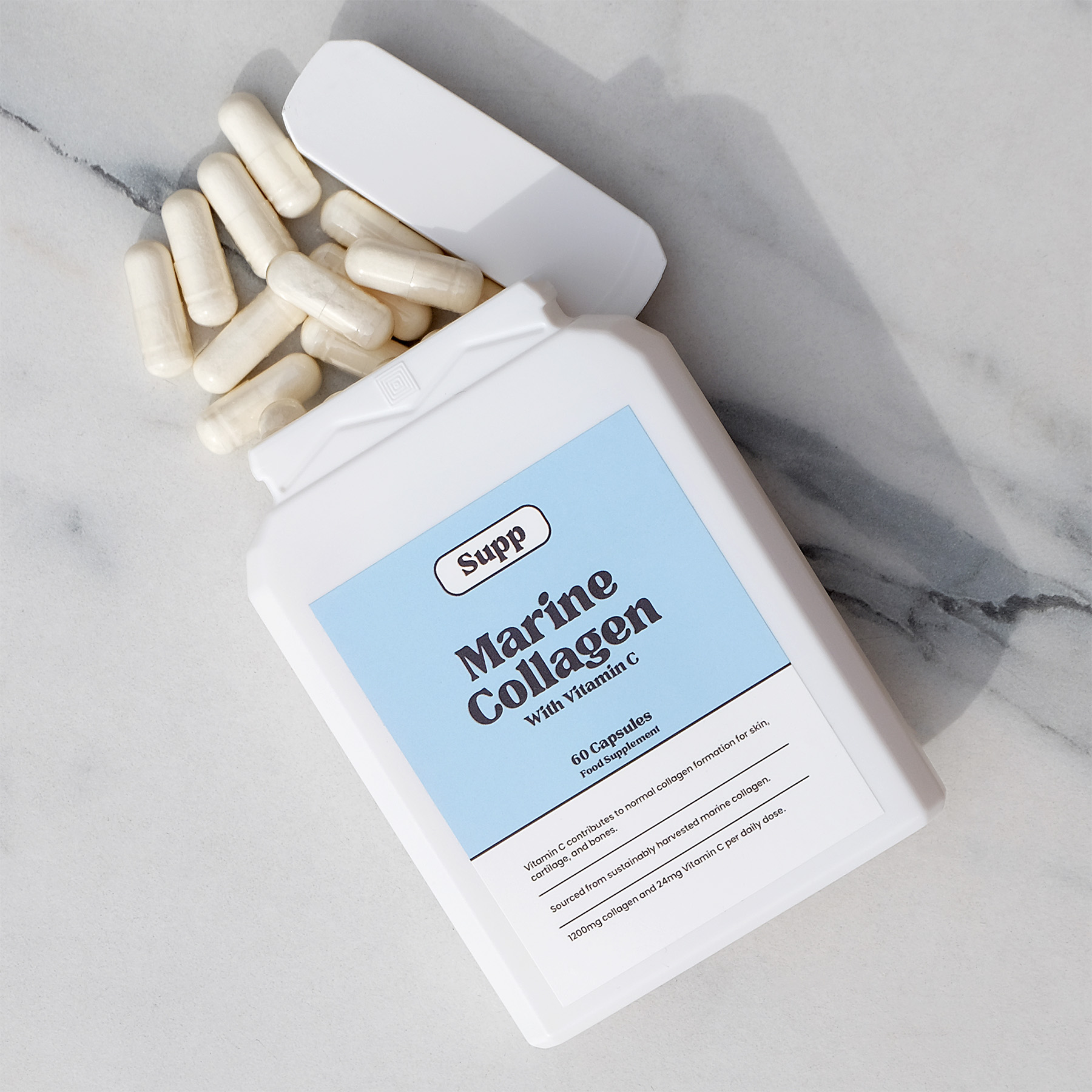
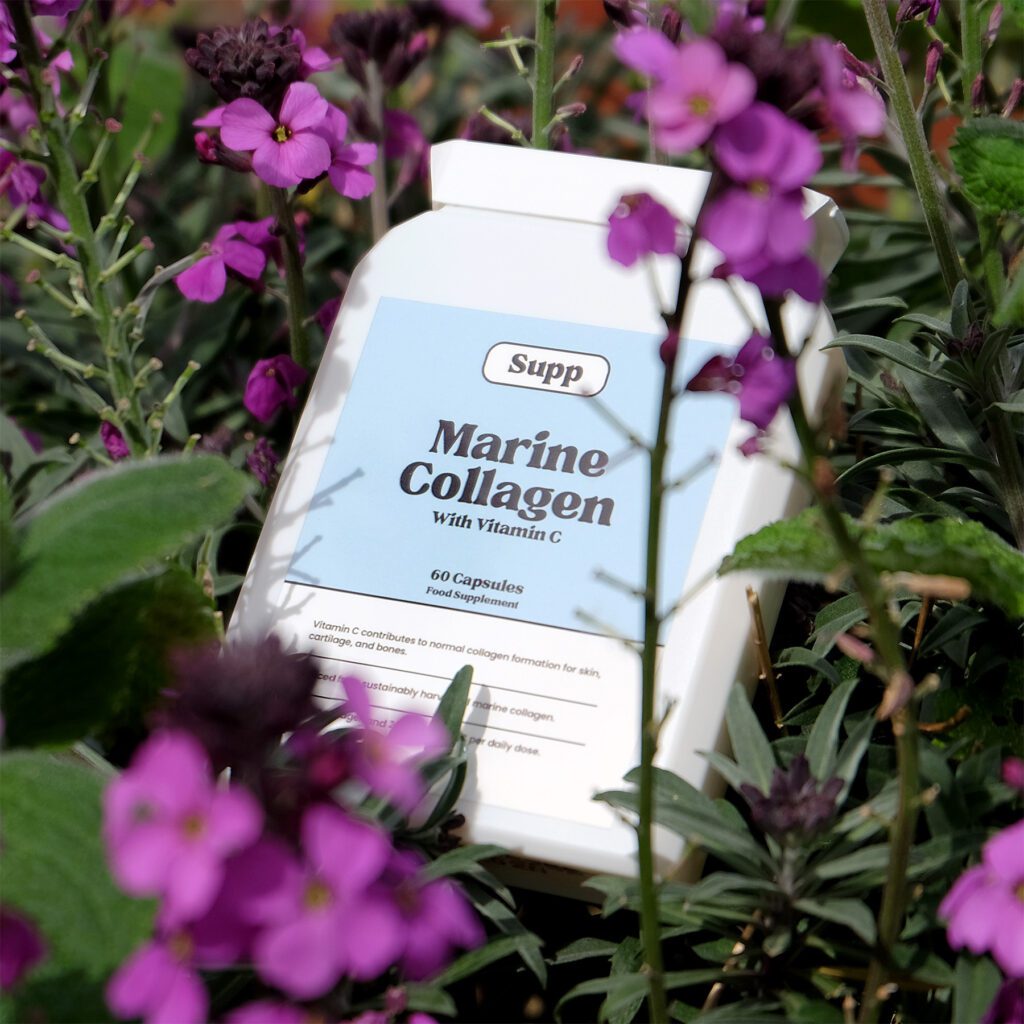
Supp tip: If you’re already taking a collagen supplement, such as Our Marine Collagen with Vitamin C Capsules, you’re already getting a dose of vitamin C – but combining it with vitamin C-rich foods can further support your body’s natural collagen production and overall skin health.
For a glow-boosting finish to your day, try the No-Bake Lemon & Almond Cheesecake Pots. They’re light, zesty and rich in skin-supporting nutrients, proving that “healthy” and “indulgent” can happily coexist.
Citrus Oils and Mood: The Science of Feeling Fresh
Citrus doesn’t just wake up your taste buds, it can also lift your mood. The essential oils found in citrus fruits, particularly limonene and linalool, have been shown to influence mood and alertness through the brain’s olfactory pathways (the part of the brain that processes smell).
Studies suggest that exposure to citrus aromas may reduce anxiety and promote calm alertness. One clinical study found that inhalation of sweet orange oil significantly decreased stress markers and improved mood states in healthy adults (5).
Supp tip: You can bring this refreshing ritual into your day simply by using zest, juice or peel in your meals. Or by sipping something light and aromatic like the Greek Lemon & Mint Spritz.

Easy Ways to Add More Citrus to Your Day
Citrus is one of the easiest nutrition upgrades you can make. Simple, versatile and flavour-forward. Here are a few ideas:
- Squeeze and drizzle: Add fresh lemon or lime over cooked vegetables, grains or fish to brighten flavour.
- Zest it up: Use the peel in marinades, dressings or desserts for a concentrated nutrient boost.
- Citrus in your glass: Add slices of orange, grapefruit or lemon to sparkling water or iced tea.
- Mix it into breakfast: Blend citrus segments into yoghurt bowls or smoothies for a morning hit of vitamin C.
- Cook creatively: Use citrus in savoury dishes like the One-Pan Greek Lemon-Oregano Chicken or in plant-based meals such as the Chickpea Tagine with Lemon, Spinach and Herbed Rice.
The Takeaway: A Squeeze of Science in Every Drop

From immune defence to skin health and mood support, citrus proves that flavour and function can go hand in hand. The science is clear: the vitamin C, flavonoids and essential oils found in citrus fruits play a tangible role in keeping your body resilient, radiant and refreshed.
So next time you reach for a lemon or lime, remember that little burst of brightness is doing far more than adding flavour. It’s fuelling your wellbeing, one squeeze at a time.
References
- Carr AC, Maggini S. Vitamin C and Immune Function. Nutrients. 2017;9(11):1211. doi:10.3390/nu9111211. PMCID: PMC5707683.
- Zhu Y et al. Effect of Citrus Flavonoids on Vascular Function: Systematic Review and Meta-Analysis. Adv Nutr. 2024. PubMed 38561995.
- Mulero J et al. Citrus flavonoids as bioactive compounds. Front Pharmacol. 2019. PMC6431442.
- Pullar JM, Carr AC, Vissers MCM. The roles of vitamin C in skin health. Crit Rev Food Sci Nutr. 2017. PMC2589959.
- Goes TC, Antunes FD, Alves PB, Teixeira-Silva F. Effect of sweet orange aroma on experimental anxiety in humans. J Altern Complement Med. 2012 Aug;18(8):798-804. doi:10.1089/acm.2011.0551. PMID: 22849536.
Disclaimer
This article is intended for informational purposes only and should not replace personalised medical guidance.