




We all feel tired from time to time… but if you’re constantly running on empty, there might be more going on than a late night or a busy week.
While there’s no one-size-fits-all solution, understanding the possible reasons behind persistent fatigue can help you take steps towards feeling more energised, naturally.
In this guide, our team explore some common causes of tiredness and the nutrients that may support your body’s energy metabolism.

1. You Might Be Low on Iron
Iron plays a crucial role in transporting oxygen throughout the body. Without enough of it, your cells can’t get the oxygen they need to produce energy, leaving you feeling drained, sluggish, or lightheaded.
Look out for:
- Pale skin
- Brittle nails
- Cold hands and feet
What may help:
Iron-rich foods (like spinach, lentils and red meat), or iron supplements if your intake is low. Iron contributes to the reduction of tiredness and fatigue, but always speak to a health practitioner before supplementing, especially if you suspect a deficiency.
2. You Could Be Missing Key B Vitamins
The B vitamin family, especially B12, B6 and folate, help your body convert food into usable energy. Without them, your energy production system starts to stall.
Look out for:
- Brain fog
- Low mood
- Pins and needles (especially with B12 deficiency)
What may help:
A balanced diet including whole grains, leafy greens, eggs and meat. B vitamins, particularly B12, contribute to normal energy-yielding metabolism and support the nervous system.
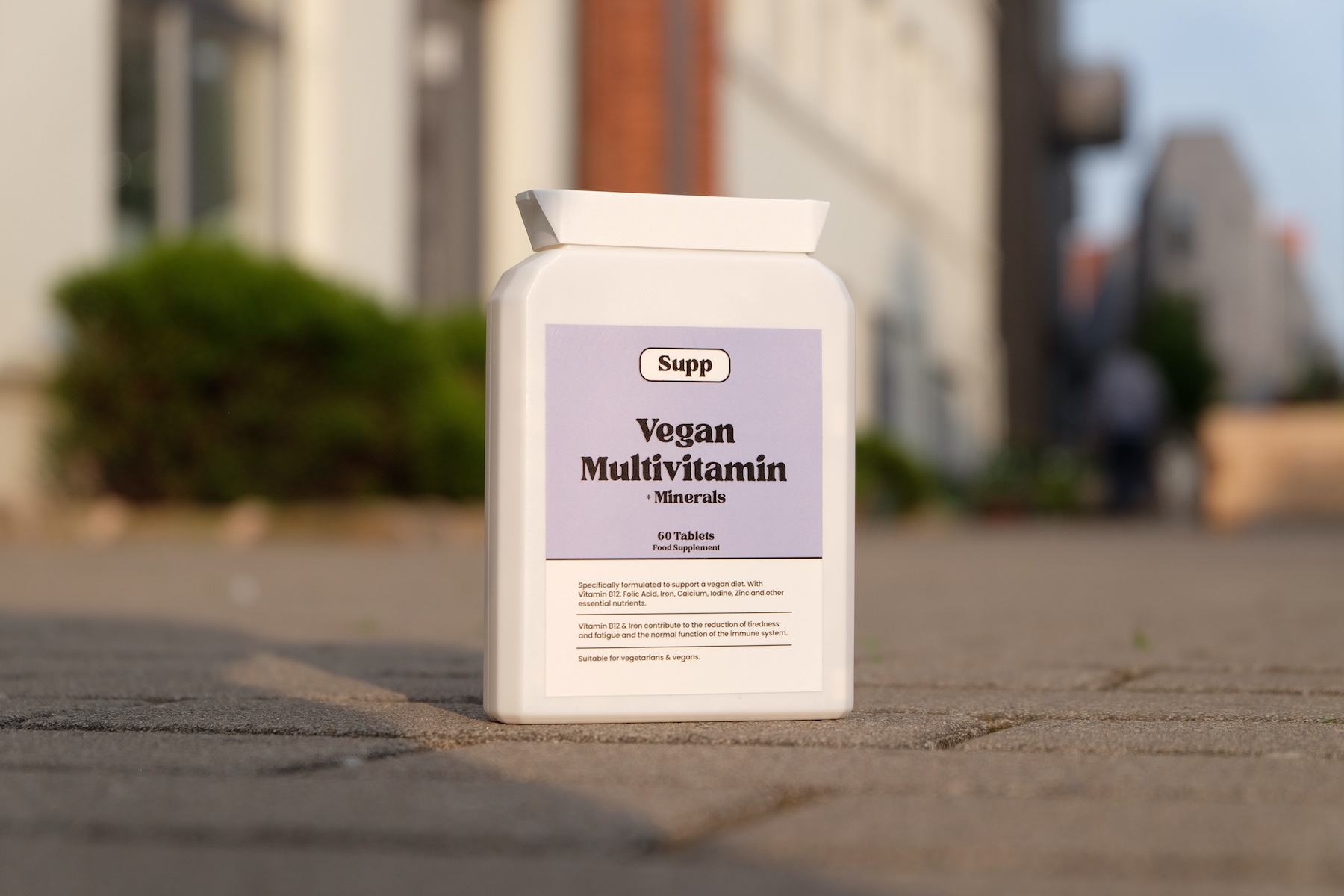
Note: Vegans and vegetarians are at higher risk of low B12 levels, as it’s found mostly in animal products. A vegan-specific multivitamin can help ensure you get all the nutrients you need.
3. Your Magnesium Might Be Low
Magnesium is involved in over 300 processes in the body, including energy production and muscle function. Yet many people aren’t getting enough, especially if they exercise frequently or are under stress.
Look out for:
- Muscle twitches or cramps
- Trouble sleeping
- Low resilience to stress
What may help:
Magnesium-rich foods (such as nuts, seeds, and leafy greens), or a high-quality magnesium supplement. Magnesium contributes to normal energy-yielding metabolism and helps reduce tiredness and fatigue.
4. You’re Running on Stress, Not Rest
When your stress levels are high, your body prioritises survival, pumping out cortisol and running in high-alert mode. Over time, this can leave you feeling burnt out, mentally foggy, and physically exhausted.
What may help:
Prioritising sleep, daily movement, and relaxation techniques (like breathwork or journaling) can all help your body shift from “fight or flight” into “rest and restore.” Some people also try adaptogenic herbs like ashwagandha or rhodiola, which have been traditionally used to support resilience to stress.
5. You’re Not Sleeping as Well as You Think
Even if you’re in bed for eight hours, poor quality sleep can leave you feeling unrefreshed. Stimulants, screen time, late meals, or imbalanced blood sugar can all impact your sleep architecture.
What may help:
- Magnesium before bed (which supports normal psychological function and nervous system balance)
- Establishing a wind-down routine, reducing screen time (especially on adrenaline-inducing or addictive apps)
- Limiting caffeine after midday
The Bottom Line
Fatigue can be caused by many different factors, most often a combination of stress, nutrient gaps, and lifestyle habits. The good news? Once you understand what your body might be missing, you can take small, sustainable steps to support your energy levels.
If you’re feeling tired more often than not, it’s always a good idea to check in with your GP or a qualified health practitioner to rule out any underlying issues.
Food supplements should not be used as a substitute for a varied, balanced diet and a healthy lifestyle. Always consult your health practitioner before starting any new supplement, especially if you are pregnant, breastfeeding, or taking medication.