

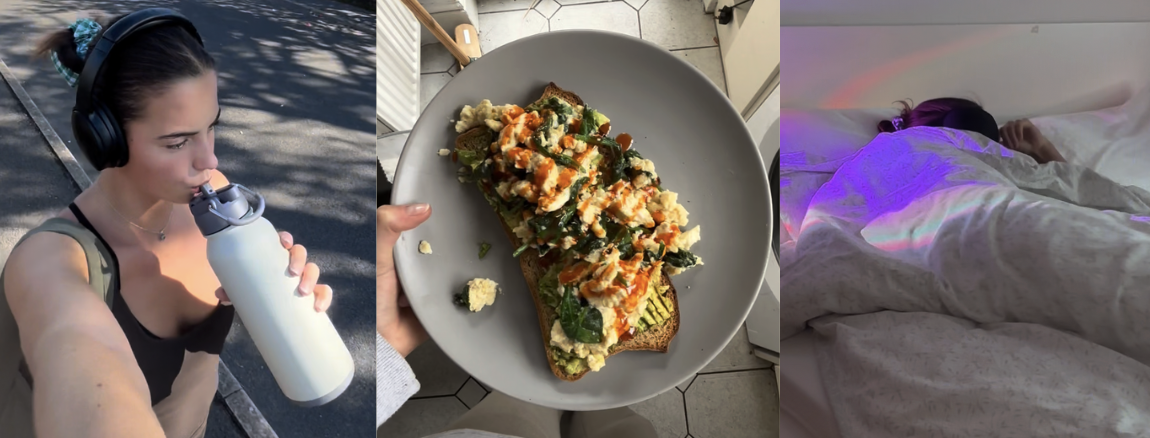
Everyone wants to move better, recover faster, and feel stronger, but true performance doesn’t begin in the gym. It begins with the habits you build around your training.
The way you hydrate, sleep, and nourish your body between sessions determines how well you perform, recover, and adapt. These simple daily habits form the foundation for consistent, pain-free movement and long-term strength.
Here’s what the science says about why the basics matter more than you might think.
Hydration: Keep Your Joints and Muscles Moving Freely
Even mild dehydration can have a measurable effect on movement quality. It reduces joint lubrication, impairs muscle elasticity, and slows recovery. When your body lacks adequate fluid balance, every stride, stretch, or lift can feel heavier and less coordinated (1)
Hydration supports the transport of nutrients, the removal of metabolic waste, and the maintenance of circulation, all of which are essential for supple, pain-free movement (2).
Supp tip: Don’t rely on last-minute hydration before a session. Instead, sip water consistently throughout the day. If you train in heat or sweat heavily, consider an electrolyte supplement to help maintain sodium, potassium, and magnesium balance, key minerals for muscle function and recovery.
Sleep: The Cornerstone of Recovery
Sleep isn’t a luxury; it’s a key part of your training plan. During deep sleep, your body releases growth hormone, repairs tissues, and restores the nervous system.
Research has shown that sleep deprivation disrupts the body’s 24-hour growth hormone rhythm, reducing its capacity for repair and adaptation (3). Likewise, just one night of sleep loss can impair muscle protein synthesis, blunting the recovery response after exercise (4).
In short, the less you sleep, the less your body can adapt.
Supp tip: Aim for 7–9 hours of high-quality sleep each night. A consistent bedtime routine reduced screen exposure, and a cool, dark room can all help improve rest and recovery quality.
Nutrition: Fuel Movement from the Inside Out
Your muscles, joints, and connective tissues are quite literally made from what you eat. Nutrition is not only fuel, but also the raw material for repair and adaptation.
A diet rich in lean proteins, healthy fats, complex carbohydrates, and key micronutrients supports muscle growth, reduces inflammation, and maintains joint health. Protein drives repair, omega-3 fats support joint mobility, and vitamins such as D and C contribute to bone and collagen integrity (5, 6, 7, 8)
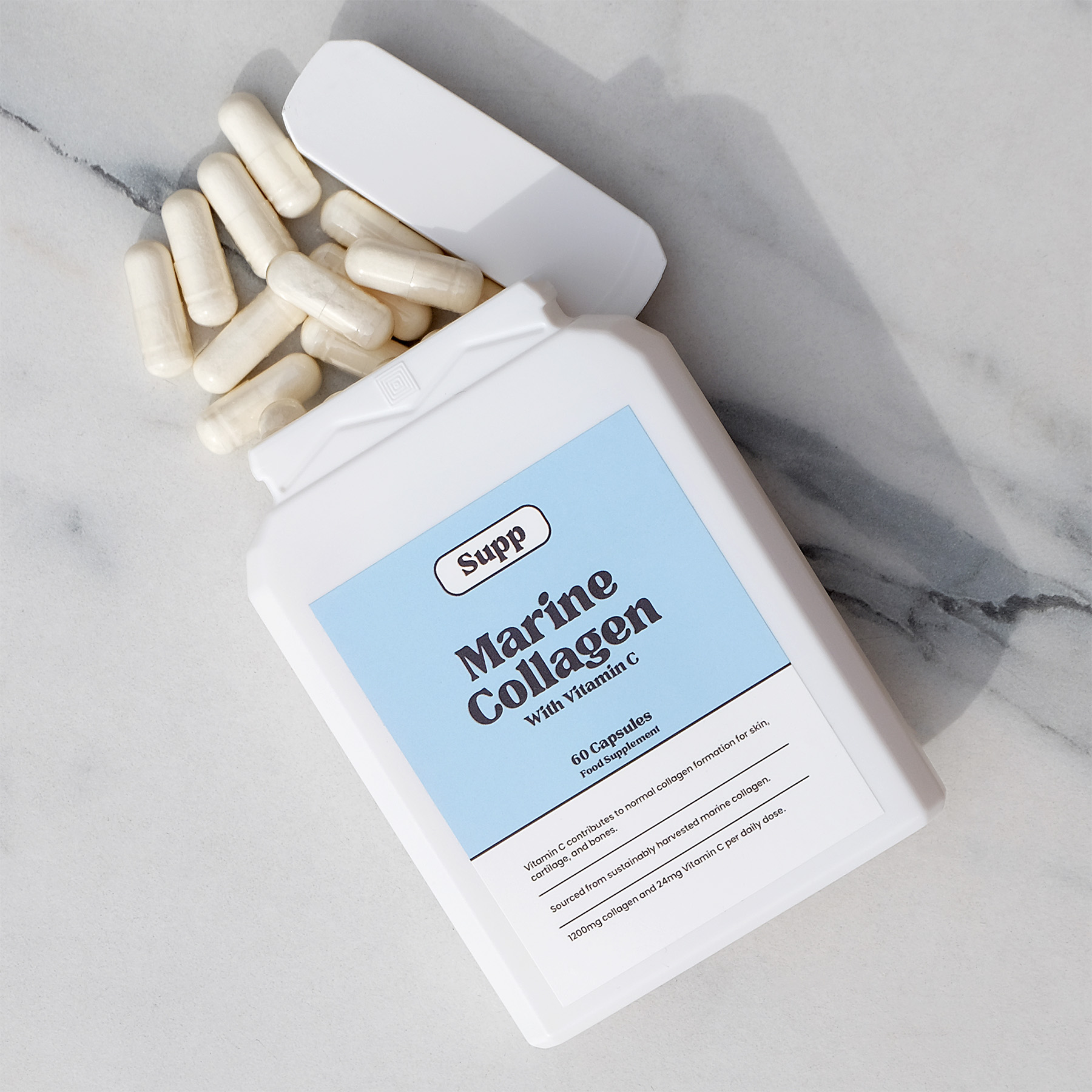
Supp tip: Time your nutrition to your activity. A balanced meal or post-training shake containing protein and carbohydrates helps replenish energy stores and stimulate recovery. For those looking to optimise repair, combining whole foods with targeted supplementation, such as omega-3s or collagen with vitamin C, can enhance connective tissue support.
Small Habits, Big Results
Mobility drills and training sessions are important, but it’s your recovery habits that turn effort into progress.
Hydrate consistently. Sleep deeply. Eat with purpose. These daily disciplines are what allow your body to move freely, perform powerfully, and recover fully.
Better movement doesn’t start with what you do in the gym, it starts with how you care for your body the rest of the time.
Fancy a quick rundown? Check out “3 Daily Habits for Better Movement and Faster Recovery” here:
Reference list
- Cheuvront, S.N. and Kenefick, R.W. (2014). Dehydration: Physiology, Assessment, and Performance Effects. Comprehensive Physiology, 4(1), pp.257–285. https://onlinelibrary.wiley.com/doi/abs/10.1002/j.2040-4603.2014.tb00543.x
- Fatemeh Khorami, Foroutan, Y. and Sparrey, C.J. (2025). Investigating the impact of dehydration and hydration on In-Vivo hip soft tissue biomechanics. PLoS ONE, 20(8), pp.e0328054–e0328054. https://pubmed.ncbi.nlm.nih.gov/40794698/
- Brandenberger, G., Gronfier, C., Chapotot, F., Simon, C. and Piquard, F. (2000). Effect of sleep deprivation on overall 24 h growth-hormone secretion. The Lancet, 356(9239), p.1408. https://pubmed.ncbi.nlm.nih.gov/11052586/
- Lamon, S., Morabito, A., Arentson-Lantz, E.J., Knowles, O., Vincent, G.E., Condo, D., Alexander, S., Garnham, A., Paddon-Jones, D. and Aisbett, B. (2020). The effect of acute sleep deprivation on skeletal muscle protein synthesis and the hormonal environment. https://pubmed.ncbi.nlm.nih.gov/33400856/
- Agoncillo, M., Yu, J. and Gunton, J.E. (2023). The Role of Vitamin D in Skeletal Muscle Repair and Regeneration in Animal Models and Humans: A Systematic Review. Nutrients, 15(20), pp.4377–4377. https://pubmed.ncbi.nlm.nih.gov/37892452/
- Calder, P.C. (2015). Marine omega-3 fatty acids and inflammatory processes: Effects, mechanisms and clinical relevance. Biochimica et Biophysica Acta (BBA) – Molecular and Cell Biology of Lipids, 1851(4), pp.469–484. https://pubmed.ncbi.nlm.nih.gov/25149823/
- DePhillipo, N.N., Aman, Z.S., Kennedy, M.I., Begley, J.P., Moatshe, G. and LaPrade, R.F. (2018). Efficacy of Vitamin C Supplementation on Collagen Synthesis and Oxidative Stress After Musculoskeletal Injuries: A Systematic Review. Orthopaedic Journal of Sports Medicine, [online] 6(10), p.232596711880454. https://pubmed.ncbi.nlm.nih.gov/30386805/
- Phillips, S.M. and Van Loon, L.J.C. (2011). Dietary Protein for athletes: from Requirements to Optimum Adaptation. Journal of Sports Sciences, 29(1), pp.29–38. https://pubmed.ncbi.nlm.nih.gov/22150425/
Disclaimer:
The information in this article is for educational purposes only and and should not replace personalised medical guidance.