

Creatine isn’t just for gym buffs. From busy professionals looking for extra focus to older adults wanting to stay strong and mobile, this naturally occurring compound has a surprisingly wide range of science‑backed uses. Below, we round up the latest evidence so you can decide if it deserves a place in your daily stack.
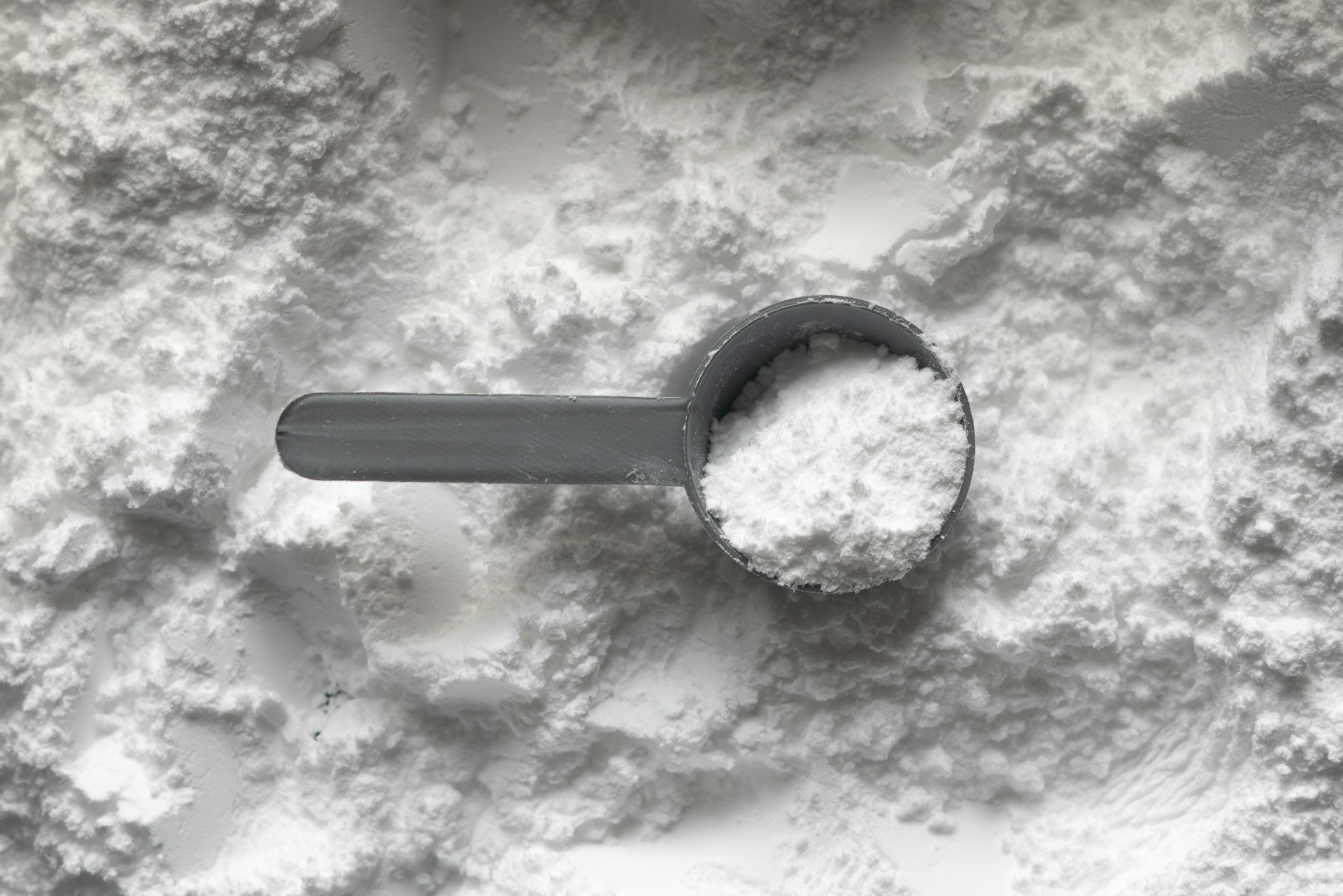
What is creatine?
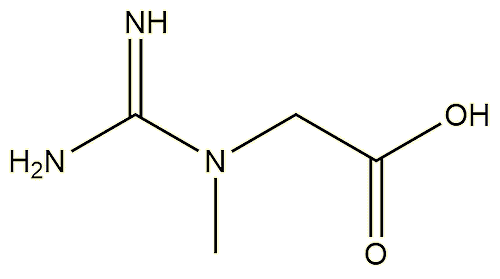
Creatine is an amino‑acid‑derived molecule made in the liver and kidneys and stored mainly in skeletal muscle. It acts like a rapid‑recharge battery, helping your cells regenerate adenosine triphosphate (ATP) – the body’s short‑burst energy currency. Roughly half our daily needs come from food (think red meat and fish); the rest we make ourselves. Vegans and vegetarians typically store less creatine, which partly explains why they often see a larger performance boost from supplementation.
How does it work?
Supplementing with creatine saturates muscle (and brain) stores of phosphocreatine. This extra ‘energy reserve’ lets you perform more high‑intensity repetitions before fatigue and may enhance cellular hydration, signalling pathways and anti‑inflammatory responses.
5 Evidence‑backed benefits
1. Strength & high‑intensity performance
Creatine monohydrate remains the most researched ergogenic aid for explosive and repeated‑sprint activities. Meta‑analyses show average gains of 5–15 % in maximal power and the ability to complete an extra 1–2 reps per set during resistance training.
2. Brain & cognitive support
A 2024 systematic review found modest but significant improvements in short‑term memory, reasoning and information‑processing speed in adults using creatine, with the greatest effects under sleep deprivation or mental fatigue.
3. Healthy ageing & sarcopenia
When paired with resistance exercise, doses as low as 2.5 g per day have been shown to preserve lean mass and lower inflammatory markers in older adults, supporting mobility and metabolic health.
4. Recovery & hydration
By drawing water into muscle cells and buffering acidity, creatine may reduce markers of muscle damage and perceived soreness after tough sessions.
5. Support for plant‑based diets & women’s health
Women and those following plant‑based diets typically have lower baseline creatine stores. Supplementation can help close the gap, supporting strength, bone density and potentially cognitive health.
Creatine myths: What the evidence says
Myth: Creatine damages your kidneys.
A robust body of data – including Mendelian randomisation studies, systematic reviews and multi‑year athlete trials – shows no clinically significant impact on renal function in healthy individuals at recommended intakes (3–5 g per day). Temporary rises in serum creatinine are expected but reflect the supplement itself, not kidney stress.
Myth: Creatine causes hair loss.
The rumour traces back to a small 2009 study in South‑African collegiate rugby players that reported a rise in dihydrotestosterone (DHT) after a week‑long loading phase. Subsequent studies – including placebo‑controlled trials in both men and women – have found no consistent changes in testosterone, DHT or rates of hair shedding. A 2024 narrative review concluded there is no direct evidence that creatine accelerates androgenic alopecia, which is largely genetic.
Myth: Creatine causes dehydration and muscle cramps.
Randomised trials and field studies across American football, soccer and endurance athletes show no increase in heat illness, cramping or markers of dehydration with creatine use; some even report better hydration status due to increased total‑body water.
Myth: Creatine is an anabolic steroid.
Creatine is a nitrogen‑containing compound synthesised from arginine, glycine and methionine – nothing like the cholesterol‑derived structure of anabolic‑androgenic steroids. It neither binds androgen receptors nor boosts testosterone.
Myth: Creatine makes you gain fat.
Initial weight gain (≈1–2 kg) is mostly intracellular water as phosphocreatine pulls fluid into muscle cells. Longer‑term, any additional weight is typically lean tissue, not fat – studies show body‑fat percentage remains unchanged versus placebo.
Reported side‑effects are generally mild (occasional bloating or temporary water‑weight gain) and often resolve when doses are split or taken with food. Anyone with pre‑existing kidney disease, bipolar disorder or who is pregnant should still consult a healthcare professional first.
Stacking & Synergy
- Protein powder: Whey or plant‑based protein provides the amino acids needed for muscle repair; creatine helps you do more work to stimulate growth.
- Electrolytes: If you sweat heavily, adequate sodium and potassium support fluid balance alongside creatine’s cell‑hydrating effect.
- Omega‑3 or curcumin: Both may reduce exercise‑induced inflammation, complementing creatine’s recovery benefits.
Key Takeaways
- Broad benefits: From strength and sprint power to cognition and healthy ageing, creatine is one of the most versatile, evidence‑based supplements available.
- Dose smart: 3–5 g of creatine monohydrate daily works for most.
- Safety backed by data: Long‑term studies show no harm to kidney or liver health when used responsibly.
- Quality matters: Look for third‑party‑tested creatine monohydrate with no fillers.
This article is for informational purposes only and does not replace personalised medical advice. Always consult a qualified professional before starting any new supplement, especially if you have a medical condition or take prescription medication.
References & further reading
- Effects of Creatine on Cognitive Function – Frontiers in Nutrition
- Creatine Supplementation and Cognition – Scientific Reports
- Creatine and Sarcopenia – PMC
- Creatine and Recovery – PMC
- Should Women Take Creatine? – Health.com
- Creatine Safety Review – PMC
- Creatine and Renal Function – Taylor & Francis
- Creatine and Hydration – BJSM
- Creatine vs Steroids – ACSM Health & Fitness
- Creatine and Body Composition – PubMed
- Does Creatine Make You Gain Weight? – Verywell Health