



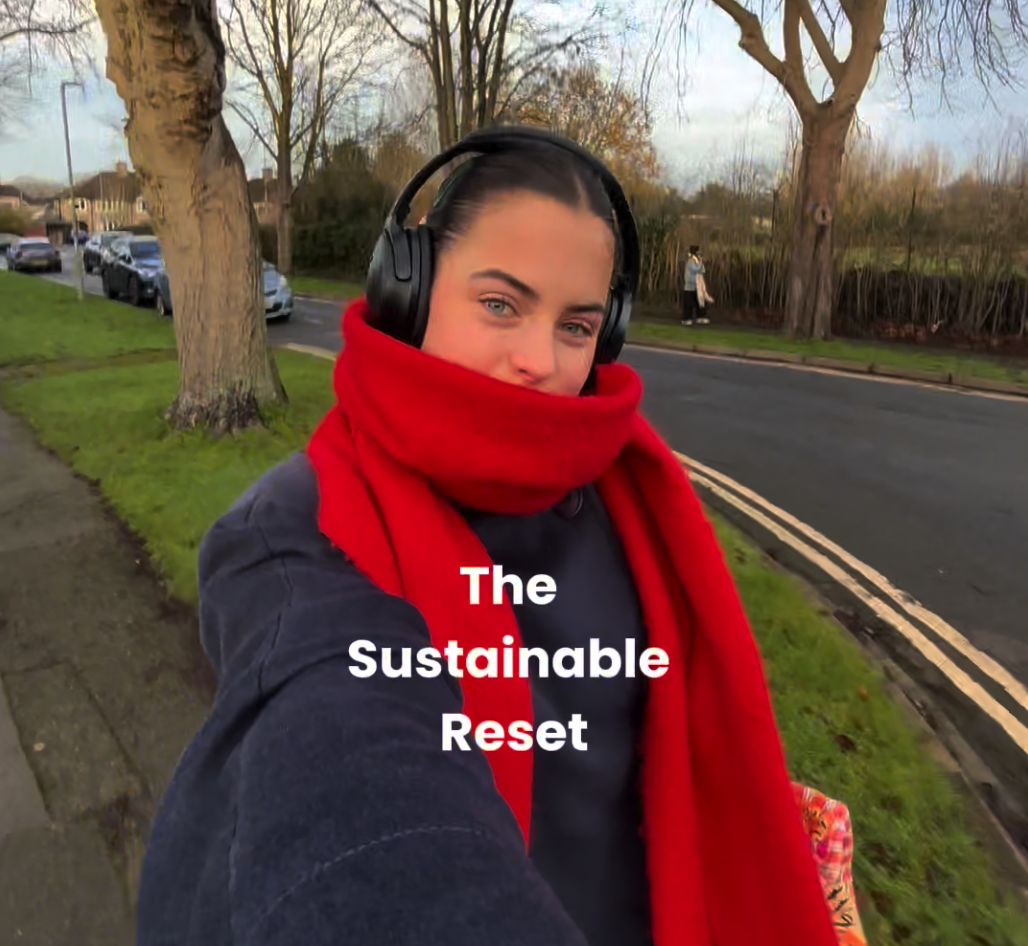
Every January, we’re told the same thing: new year, new body, new routine, new you. You don’t need to rebrand your whole life to make progress.
Most New Year’s resolutions don’t fail because people lack motivation. They fail because the goals are unrealistic. Extreme changes, all-or-nothing thinking, and punishment mindsets ignore real life, work stress, injuries, recovery, and fatigue. That’s why so many plans collapse within weeks.
What actually works is small, repeatable habits that fit your life. Progress comes from consistency, not intensity.
So how do you set smarter goals and stay motivated?
SMART Goals: A Proven Framework for Long-Term Motivation
Research in sport psychology consistently shows that people are far more likely to stick to goals that follow the SMART framework:
- Specific – clear and focused
- Measurable – progress you can track
- Achievable – realistic for your current life
- Relevant – meaningful to you
- Time-bound – a clear timeframe
SMART goals don’t just improve results, they protect motivation. When a goal is realistic and measurable, progress feels achievable, which reinforces confidence and keeps you engaged long term.
Choosing A Goal To Fit Your Life
Instead of copying someone else’s resolution, step back and assess your life through four simple lenses:
- Health: sleep, nutrition, daily energy
- Fitness: strength, mobility, cardio
- Injury prevention: recovery, load management
- Lifestyle: stress, routines, balance
Ask yourself:
- What feels most neglected right now?
- What single change would make my day-to-day better?
Pick one primary goal, not five. That’s how momentum builds.
How to Stay Consistent After January Motivation Fades
Motivation fluctuates and that’s normal. What predicts long-term success is routine, planning, and habit management.
Most people quit because they expect motivation to carry them, feel guilty after missing a day, or forget that recovery is part of progress. Setbacks aren’t failures, they’re a natural part of the process.
Three Rules for Sticking With Healthy Habits Long Term
Follow these three simple rules to help you stay on track:
- Minimum effective dose: even 20 minutes counts.
- Plan for bad weeks: one off-week doesn’t erase progress.
- Track habits, not just outcomes: consistency beats perfection.
Sustainable training protects your body, reduces injury risk, and keeps you moving forward, not just in January, but all year round.
You don’t need a reset.
You just need a plan you can actually stick to.