


For a lot of people, December is one of the busiest months of the year. Between work deadlines, social events, training commitments, and the build-up to Christmas, it’s no surprise that stress levels often rise at this time of year.
How Stress Affects Your Body During the Festive Season
While a certain amount of stress is unavoidable, chronic or unmanaged stress can negatively affect many areas of health. Research shows that elevated stress can disrupt sleep (1), alter appetite (2) , reduce motivation (3) , and impair recovery (4). All of which can impact both physical performance and overall wellbeing.
How Sleep Quality Affects Stress Levels
Good sleep plays a key role in how well your body copes with stress, especially during busy periods like the festive season. The figure below shows people who slept poorly experienced higher stress levels the following day, while those who slept well felt calmer and more relaxed.
Even a single night of poor sleep was linked to noticeably higher stress, highlighting how closely sleep and stress are connected. Prioritising sleep where possible can help protect your energy, mood, and resilience during a demanding time of year
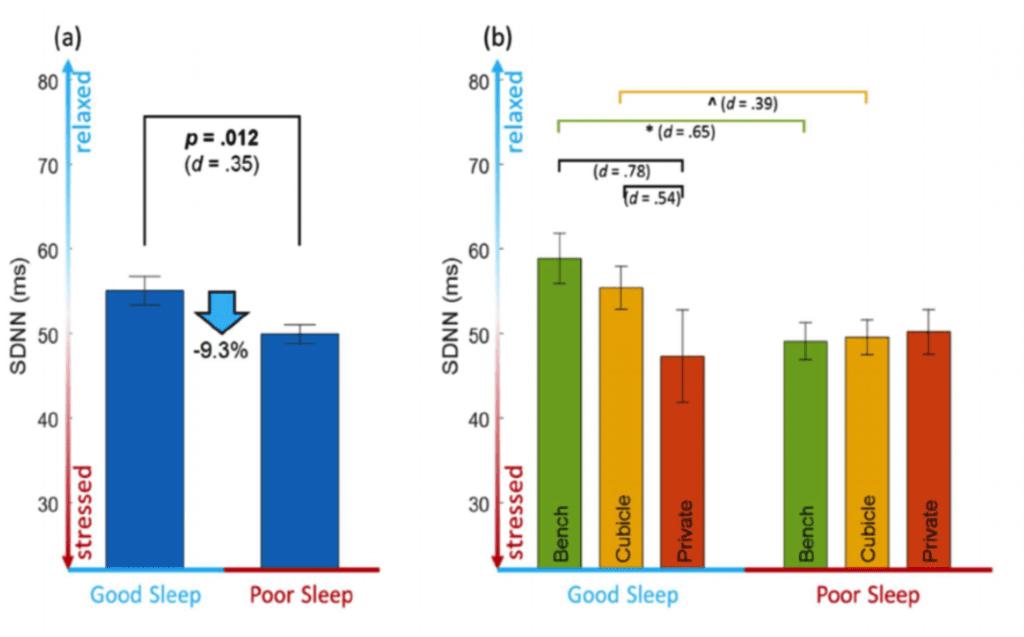
Poor sleep is linked to higher stress the next day, while better sleep supports a calmer stress response. Taken from Lee, H et al., 2018.
Why Stress Can Change Your Appetite and Cravings
Stress can influence appetite and food cravings in different ways, which is especially relevant during the festive period. For some people, higher stress significantly reduces cravings and makes eating feel like an afterthought, while for others it increases the urge to snack or reach for comfort foods. Neither response is right or wrong, it is simply how the body tries to cope.
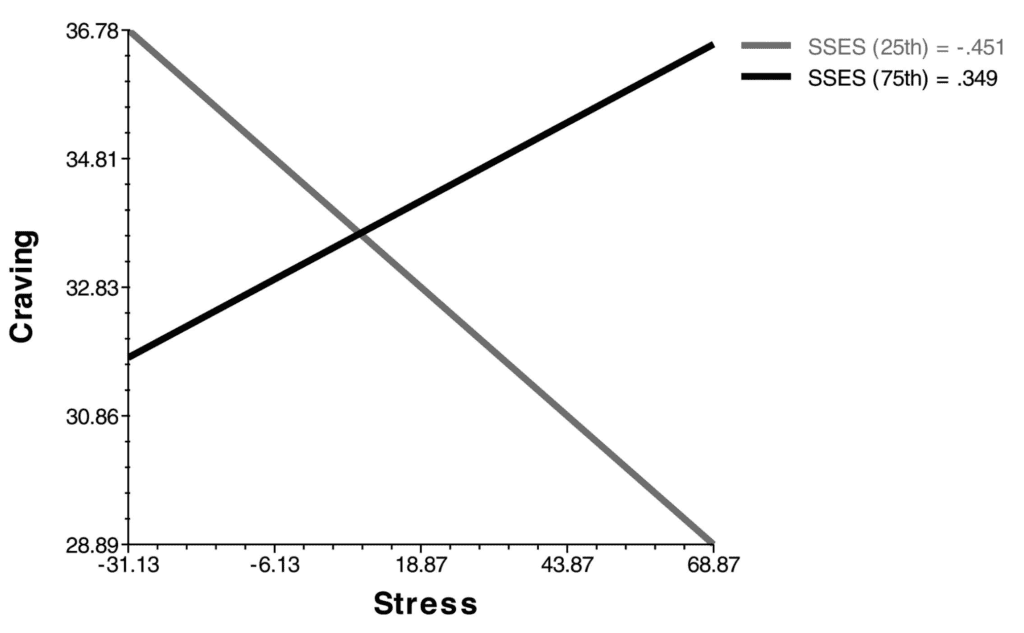
The graph highlights a significant difference in how stress affects food cravings, increasing cravings in some people while reducing them in others. Adapted from Reichenberger J, et al., 2020. (2)
Being mindful of how stress affects you can help you make more supportive choices around rest, nourishment, and recovery, including ensuring you are getting plenty of essential vitamins and nutrients through the right foods to support your energy, immunity, and overall wellbeing during a busy time of year.
So how can we better manage stress during the festive season?
Understanding how stress affects sleep and appetite helps explain why self-care matters even more during the festive season.
1. Listen to Your Body
One of the most effective, yet often overlooked, strategies is learning to listen to your body. In a culture that values constant productivity, slowing down can feel uncomfortable. However, your body is usually very clear when it needs rest.
Taking intentional time out, whether that’s going for a gentle walk, journalling, or simply enjoying a quiet coffee alone or with friends, allows the nervous system to settle and stress levels to decrease. These small moments of recovery can significantly improve how you feel both mentally and physically.
2. Avoid Overcommitting
The festive period often comes with pressure to try and do everything: maintain training intensity, attend every social event, and keep up with work responsibilities. While routine can be grounding, overcommitting can quickly lead to burnout.
Allowing yourself flexibility is key. This might mean taking a rest day, adjusting your training schedule, or prioritising recovery when plans overlap. Stepping away from a rigid routine from time to time doesn’t derail progress, it helps sustain it long-term.
Stress Management Supports Performance
Stress management isn’t about doing less; it’s about doing what supports your body best. High stress can interfere with recovery, sleep quality, and motivation, making it harder to maintain consistency with training and nutrition.
By prioritising rest, balance, and self-awareness, you’re supporting both your mental wellbeing and physical performance, especially during a demanding time of year.
Enjoy the Festive Season!
Managing stress effectively allows you to enjoy both your training and your social life without feeling overwhelmed. Trust that you know your body better than anyone else, and that taking care of your stress levels now will benefit your health well beyond the festive period.
This December, focus on balance, recovery, and listening to what your body needs, your mind and body will thank you for it.
References
- Lee, H et al., 2018. Sensor-Based Sleep Quality Index (SB-SQI): A New Metric to Examine the Association of Office Workstation Type on Stress and Sleep. https://www.researchgate.net/publication/327402609
- Reichenberger, J., Pannicke, B., Arend, A.-K., Petrowski, K. and Blechert, J. 2020. Does stress eat away at you or make you eat? EMA measures of stress predict day to day food craving and perceived food intake as a function of trait stress-eating. Psychology & Health, 36(2), pp.1–19. https://www.tandfonline.com/doi/full/10.1080/08870446.2020.1781122.
- Gabryś, K. and Wontorczyk, A. 2023. Sport Anxiety, Fear of Negative Evaluation, Stress and Coping as Predictors of Athlete’s Sensitivity to the Behavior of Supporters. International Journal of Environmental Research and Public Health, [online] 20(12), pp.6084–6084. https://pubmed.ncbi.nlm.nih.gov/37372671/.
- Vacher, P., Filaire, E., Mourot, L. and Nicolas, M. 2019. Stress and recovery in sports: Effects on heart rate variability, cortisol, and subjective experience. International Journal of Psychophysiology, 143, pp.25–35. https://pubmed.ncbi.nlm.nih.gov/31255740/.