

Recovery gets talked about a lot, and for good reason. It’s one of the key pillars of long-term health, performance, and feeling good day-to-day. But with so much advice floating around, it’s easy to overthink it. The truth? Dialling in your recovery shouldn’t feel complicated. It should feel simple, doable, and something you can stay consistent with. Here are the essentials that really make a difference:
Sleep: The Ultimate Recovery Tool
If there’s one thing you prioritise, make it sleep. Quality sleep is when your body repairs muscle tissue (1), restores cellular function (2), and resets mentally and physically (3). Miss out on this, and even the most perfectly structured training plan will fall flat. Think of sleep as your non-negotiable foundation, everything else builds on top of it.
What the Research Shows
The figure below is taken from a study looking at ‘The Effect of Acute Sleep Deprivation on Skeletal Muscle Protein Synthesis and the Hormonal Environment’ (1). This study found a single night of missed sleep is enough to noticeably lower testosterone levels, especially in men. Testosterone plays a major role in muscle repair and growth, so when it drops, your body is working with fewer of the tools it needs to recover properly.
In other words, poor sleep doesn’t just make you feel tired – it directly reduces the hormones that help your muscles rebuild after training. Even one rough night can set you back.
This is why consistent, high-quality sleep is such a powerful recovery habit. It protects your hormonal balance, keeps muscle repair running smoothly, and helps every other recovery strategy work better.
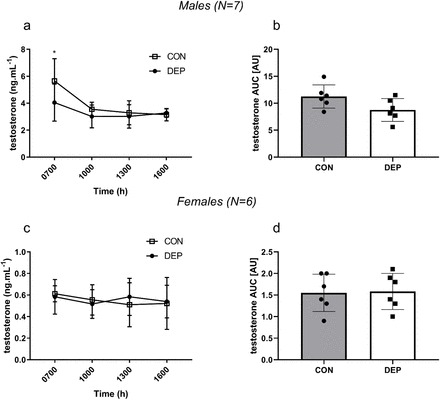
Figure 1. Changes in muscle protein building during the study. Panel A shows how the labelled amino acid was tracked in the blood. Panel B shows muscle protein synthesis in normal sleep versus sleep deprivation. Data are presented as mean ± SD. (1).
A study on ‘Effects of Sleep, Physical Activity, and Shift Work on Daily Mood’ (3) shows just how quickly mood and overall wellbeing dip when sleep is cut short. As the medical interns moved into heavy shift work, their sleep time dropped, their daily activity fell, and their mood scores fell with it (figure 2).
The pattern is clear: when sleep goes down, everything else follows. Lower mood, lower energy, lower motivation to move – all signs that the body is struggling to cope without enough rest.
For recovery, this reinforces a simple truth. Protecting your sleep doesn’t just help your muscles repair; it keeps your mind steady, your energy stable and your whole system functioning at its best. Consistent sleep supports both physical and mental recovery, making it one of the easiest wins for feeling and performing better.
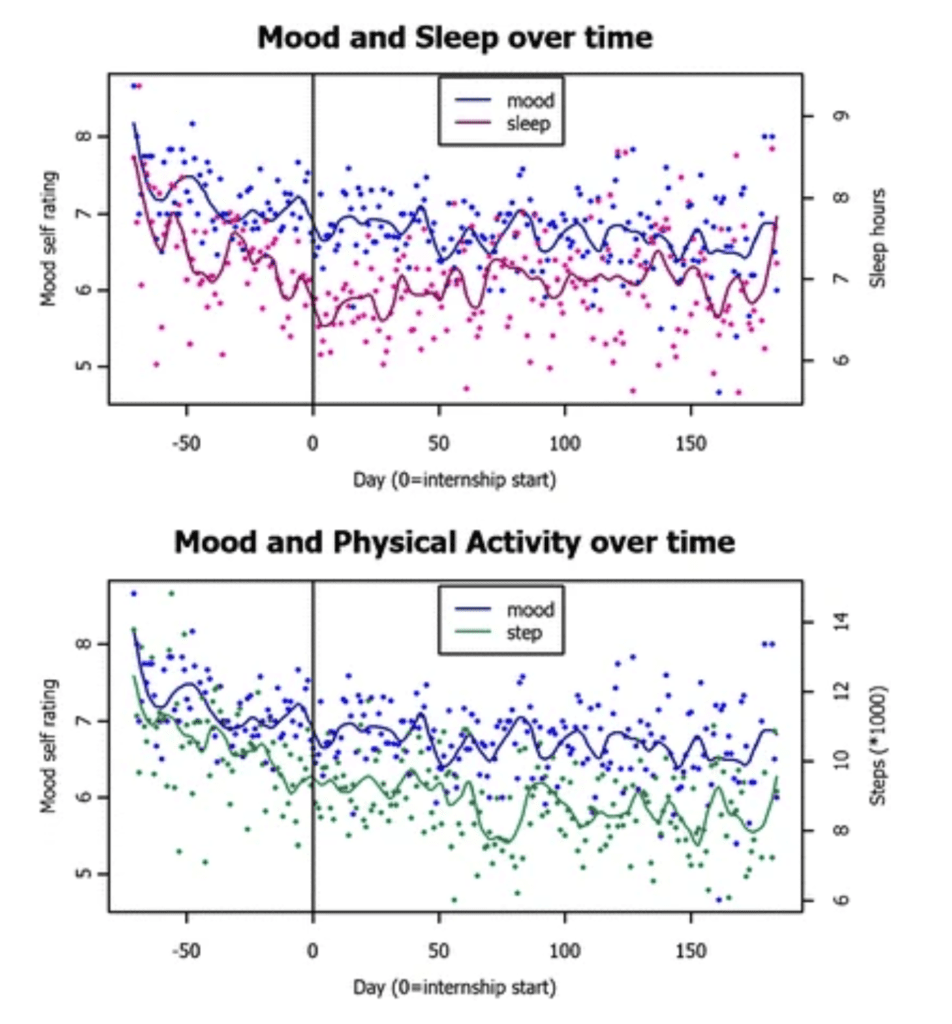
Figure 2. Sleep duration, physical activity and daily mood tracked over time in medical interns under normal conditions and during intensive shift work. Data shown as mean ± SD. (3).
Muscular Recovery: Keep Your Body Moving Well
Muscle tightness and soreness? Totally normal, and totally manageable.
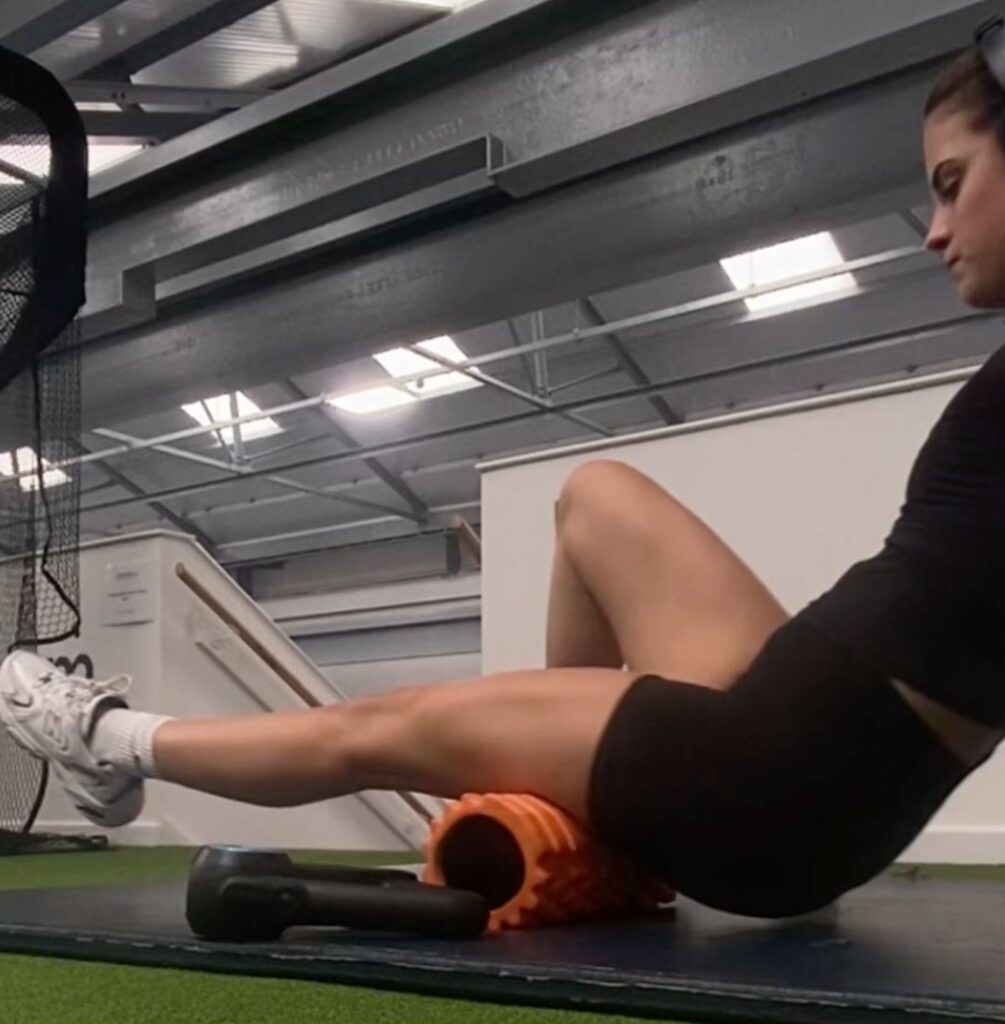
Foam rolling and stretching can help ease stiffness and may reduce the intensity of DOMS (4). If you want a deeper dive into DOMS, check out How to Reduce DOMS: What It Is, Causes, and Recovery Tips
Massage guns and recovery tools can mimic the benefits of a sports massage at home, helping increase blood flow and support faster recovery. A few minutes every day makes a noticeable difference in how your body feels session to session.
Hydration: Simple, But Often Overlooked
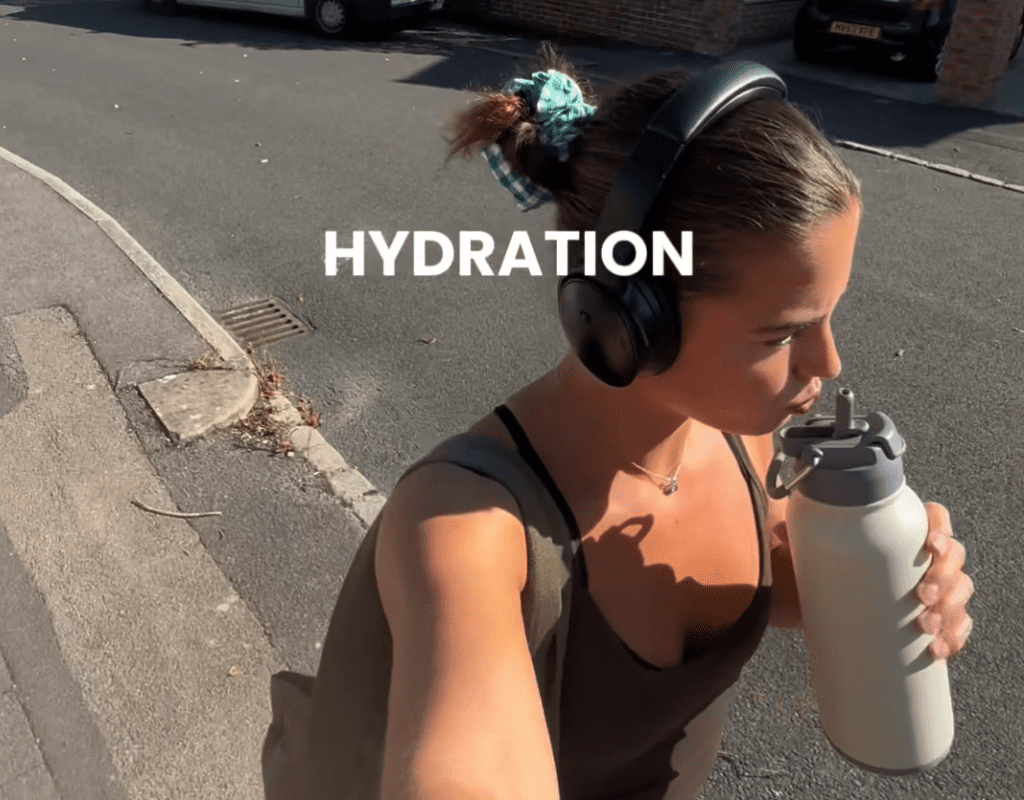
Water is the quiet hero of recovery. Staying hydrated supports muscle contraction, digestion, energy levels, and overall training performance (5). When your cells are well-hydrated, they function better, and you recover better.
Make it a habit to drink consistently during and after your workouts, not just when you feel thirsty.
Supp Tip:
Recovery isn’t about fancy tools or complicated protocols, it’s about nailing the basics consistently. Prioritise sleep, look after your muscles, and keep your hydration on point. Do that, and your training (and energy) will feel noticeably better.
Strong recovery = strong performance. Keep it simple. Keep it consistent.
References:
- Lamon S, Morabito A, Arentson-Lantz E, et al. 2020. The Effect of Acute Sleep Deprivation on Skeletal Muscle Protein Synthesis and the Hormonal Environment. Physiological Reports. https://doi.org/10.1101/2020.03.09.984666
- Liu, X., Chen, B., Huang, Z. et al. 2021. Effects of poor sleep on the immune cell landscape as assessed by single-cell analysis. Commun Biol 4, 1325. https://doi.org/10.1038/s42003-021-02859-8
- Kalmbach, D.A., Fang, Y., Arnedt, J.T. et al. 2018. Effects of Sleep, Physical Activity, and Shift Work on Daily Mood: a Prospective Mobile Monitoring Study of Medical Interns. J GEN INTERN MED 33, 914–920. https://doi.org/10.1007/s11606-018-4373-2
- Medeiros F V A, Bottaro M, Martins W R, et al. 2020. The Effects of One Session of Roller Massage on Recovery from Exercise-Induced Muscle Damage: A Randomized Controlled Trial. Journal of Exercise Science & Fitness. https://pubmed.ncbi.nlm.nih.gov/32514278/
- Chodkowski J. 2024. The Role of Nutrition and Hydration in Injury Prevention and Recovery: A Review. Journal of Education, Health & Sport. https://doi.org/10.12775/JEHS.2024.71.56117
Disclaimer:
This article is for general information only and is not intended to replace medical advice, diagnosis or treatment. If you experience severe pain, unusual swelling, or soreness that does not improve, speak to a qualified health professional. Always listen to your body and exercise within your own limits.