

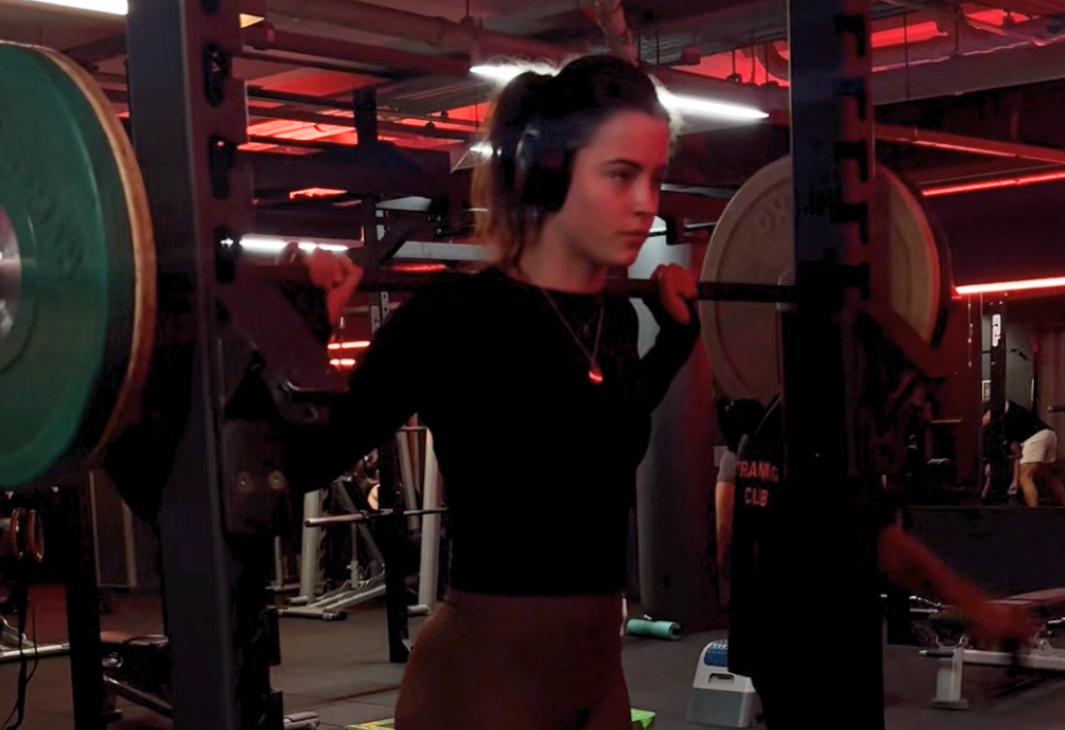
We’ve all had that moment: you finish a training session feeling unstoppable, but then the next morning you’re hobbling around like you’ve aged 50 years overnight. That deep, achy muscle stiffness? That’s DOMS, also known as ‘delayed onset muscle soreness’, and it’s one of the most common (and misunderstood) parts of exercise.
What is DOMS?
DOMS typically shows up 24 to 72 hours after a workout, especially when you increase intensity, try something new, or overload your muscles in a different way (1, 2). Despite the popular myths, it isn’t caused by lactic acid lingering in your muscles. The real reason is much simpler…
DOMS is linked to tiny micro-tears in your muscle fibres. When you train under load, such as lifting weights, sprinting uphill, or tackling a long run, these fibres experience small structural disruptions. This triggers inflammation, which is a normal and essential part of the repair process (3). Calcium levels also rise temporarily around the affected fibres, contributing to the familiar stiffness and tenderness.
It may be uncomfortable, but it’s also how your muscles rebuild and grow stronger.
Is DOMS a Sign of a Good Workout?
Not necessarily. DOMS shows your muscles were challenged in a new or unfamiliar way, but it doesn’t mean your workout was “better” or more effective. Highly trained athletes often experience less DOMS simply because their bodies adapt to regular exercise.
So, soreness can be a sign of progress, but it shouldn’t be the thing you chase.
Can you Prevent DOMS Completely?
Unfortunately not. Because DOMS is tied to how muscles repair and adapt, you can’t eliminate it completely. But you can reduce how intense it feels and how long it sticks around with smart recovery habits.
A good warm-up makes a noticeable difference. It increases blood flow, primes your muscles, and helps reduce the shock of suddenly jumping into high-intensity work. If you want something quick and effective, try our 10-minute running warm-up.
The goal isn’t to avoid soreness forever but to make it manageable so you can stay consistent with your routine.
How to Ease DOMS and Recover Faster?
Here’s what can help, based on current evidence:
1. Keep moving
Light movement boosts circulation and encourages nutrients and oxygen to reach sore muscles. This supports a smoother recovery and reduces that heavy, stiff feeling (1).
Try:
- A slow, 10 to 20-minute walk
- Gentle cycling
- A light mobility workout
- Swimming or water walking, which reduces joint load
The key is low intensity, just enough movement to loosen up.
2. Stretch regularly
Stretching won’t get rid of DOMS, but it can help ease tightness and improve your overall comfort (4). Especially if you spend long hours at a desk, targeted stretching can help prevent stiffness and reduce tension throughout your body.
Try:
- Hip flexor and quad stretches after leg day
- Chest and shoulder stretches after upper-body workouts
- Cat-cow and gentle spinal twists for full-body mobility
- Simple desk-based stretches (neck, upper back, shoulders) to stay loose even on non-training days – Try our Desk Stretches for Neck Pain routine.
Aim for 5 to 10 minutes of stretching on recovery days – or even just a few minutes throughout a workday if you’re mostly sitting.
3. Massage or foam rolling
Massage and foam rolling help release tension, reduce tight spots, and increase blood flow to sore areas (5).
You don’t need fancy tools – a basic foam roller or massage ball works well.
Try:
- Rolling your quads, hamstrings, calves, and glutes for 20 to 30 seconds per area
- Using a massage ball on your shoulders and upper back
- Pairing rolling with gentle stretching for a double benefit
If you prefer hands-on support, even a short sports massage can help.
4. Stay consistent with training
Training regularly helps your muscles adapt, which means less dramatic soreness over time (2). The biggest spikes in DOMS happen when workouts are random or infrequent.
To reduce the likelihood:
- Ease into new training blocks
- Gradually increase weight, reps, or distance
- Include warm-ups and cool-downs
- Space out sessions targeting the same muscle group
Consistency doesn’t eliminate DOMS, but it does make it far more manageable.
5. Use pain relief when needed
Whether it’s heat, cold, or over-the-counter options, the aim is comfort so you can keep moving while your muscles recover.
Try:
- A warm shower or heat pack to relax tight muscles
- Cold exposure to reduce sharp soreness
- Sensible use of pain relief if you’re struggling to move comfortably
Always listen to your body and avoid training through severe pain.
The Bottom Line
DOMS can be annoying, especially when stairs suddenly feel like an extreme sport, but it’s a normal part of building strength and resilience. Instead of viewing it as a setback, consider it a reminder that your body is adapting.
Stay consistent, listen to your body, and keep going. Over time, DOMS becomes far less disruptive.
So, if you needed a sign to keep going, this is it.
References
- Cheung K, Hume P, Maxwell L. 2003. Delayed Onset Muscle Soreness: Treatment Strategies and Performance Factors. Sports Medicine. https://pubmed.ncbi.nlm.nih.gov/12617692/
- Howatson G, Van Someren K A. 2008. The Prevention and Treatment of Exercise-Induced Muscle Damage. Sports Medicine. https://pubmed.ncbi.nlm.nih.gov/18489195/
- Markus I, Constantini K, Hoffman J R, et al. 2021. Exercise-Induced Muscle Damage: Mechanism, Assessment and Nutritional Factors to Accelerate Recovery. European Journal of Applied Physiology. https://pubmed.ncbi.nlm.nih.gov/33420603/
- Pizza F X, Koh T J, McGregor S J, et al. 2002. Muscle Inflammatory Cells after Passive Stretches, Isometric Contractions, and Lengthening Contractions. Journal of Applied Physiology. https://pubmed.ncbi.nlm.nih.gov/11960936/
- Medeiros F V A, Bottaro M, Martins W R, et al. 2020. The Effects of One Session of Roller Massage on Recovery from Exercise-Induced Muscle Damage: A Randomized Controlled Trial. Journal of Exercise Science & Fitness. https://pubmed.ncbi.nlm.nih.gov/32514278/
Disclaimer:
This article is for general information only and is not intended to replace medical advice, diagnosis or treatment. If you experience severe pain, unusual swelling, or soreness that does not improve, speak to a qualified health professional. Always listen to your body and exercise within your own limits.