


Feeling more tired or achy as the days get darker? It could be more than just the gloomy UK weather. Vitamin D levels often drop sharply in autumn and winter, and millions in the UK experience symptoms of low vitamin D without realising it. Here’s how to spot the signs, why it happens, and what you can do to stay well through the colder months.
Why Vitamin D Drops in Autumn and Winter
Vitamin D is known as the “sunshine vitamin” for a reason. Your body produces it when sunlight, specifically UVB rays, hits your skin. The catch? Between October and early March, the sun in the UK is too low in the sky for us to make enough vitamin D naturally. Rates of deficiency almost double in winter compared to summer across the UK population.
- In summer: A little midday sun on your face, arms, or legs is enough to top up your vitamin D stores.
- In autumn and winter: Even if it’s a bright day, the sun’s UVB rays aren’t strong enough here in the UK to do the job.
And with colder weather, shorter days, and a tendency to stay inside (or cover up), those vitamin D levels can fall fast.
That’s why Public Health England now advises everyone in the UK to consider a daily supplement during these sun-deprived months. NHS guidance reinforces this, explaining that supplements are recommended to support healthy bones, muscles, and immune function during these sun-deprived seasons.
Good to know: Vitamin D status is usually measured by blood levels of 25-hydroxyvitamin D. Levels below 30 nmol/L are classed as deficient, while anything under 50 nmol/L is considered insufficient for most people.
Why Vitamin D Matters
Vitamin D is a bit of an unsung hero in your body, it’s not just about bones and teeth:
- It helps turn food into energy
- Supports muscle strength and recovery
- Regulates immune function
- Contributes to mood and cognitive health
- Assists with calcium absorption and hormone balance
When levels dip, you might feel it in ways that are easy to shrug off, but are often your body waving the amber flags.
Common Signs You Might Be Low
Everyone’s body is different, but here are the most common Vitamin D deficiency symptoms. These symptoms don’t prove a deficiency on their own, but if several resonate, it’s worth taking a closer look:
1. Persistent tiredness or low energy
That constant “can’t shake the fatigue” feeling may be linked to low vitamin D. Your cells rely on it to convert food into usable energy.
2. Achy muscles, stiff joints & weakness
Vitamin D is key for muscle contraction and strength. Low levels can leave you sore after normal activity or slow your recovery after workouts.
3. Frequent colds, sniffles, or winter infections
A sluggish immune system in winter can be a clue. Vitamin D is involved in how your body recognises and fights off with viruses and bacteria.
4. Feeling low or mentally flat
Winter blues are often complex, but low vitamin D has been linked to reduced serotonin production and seasonal mood shifts.
5. Bone or lower back pain
When vitamin D is too low, your body struggles to absorb calcium properly. Over time, this may contribute to bone discomfort or fragility.
6. Skin, hair, or nail changes
Many people report things like dry skin, weaker nails, or increased shedding when vitamin D dips. Though not as evidence-backed, they’re all signs that your body’s underlying systems might be under strain.
What You Can Do
Once you’ve spotted the signs, the next step is being proactive, especially during autumn and winter when the UK’s sunlight is doing you no favours. Sure, swapping the UK’s grey skies for Bali’s beaches might sort everything out, but unless you’ve cracked the code to unlimited holidays, we need a plan B. So here’s a friendly, practical action plan to help you support healthy vitamin D levels and stay ahead of those seasonal dips.

1. Make the most of daylight (when it shows up)
Even in winter, being outside during daylight hours has huge benefits. A quick walk at in the morning or at lunchtime, exposing your face and hands if its warm enough, can give your body a small but useful top-up and lift your mood at the same time.
2. Eat vitamin D-rich foods
Oily fish like salmon, sardines, and mackerel are great natural sources of vitamin D. Egg yolks and fortified foods (like some cereals and dairy alternatives) help too. While diet alone may not fully cover your needs in the colder months, it’s still a smart foundation.
3. Consider targeted supplementation
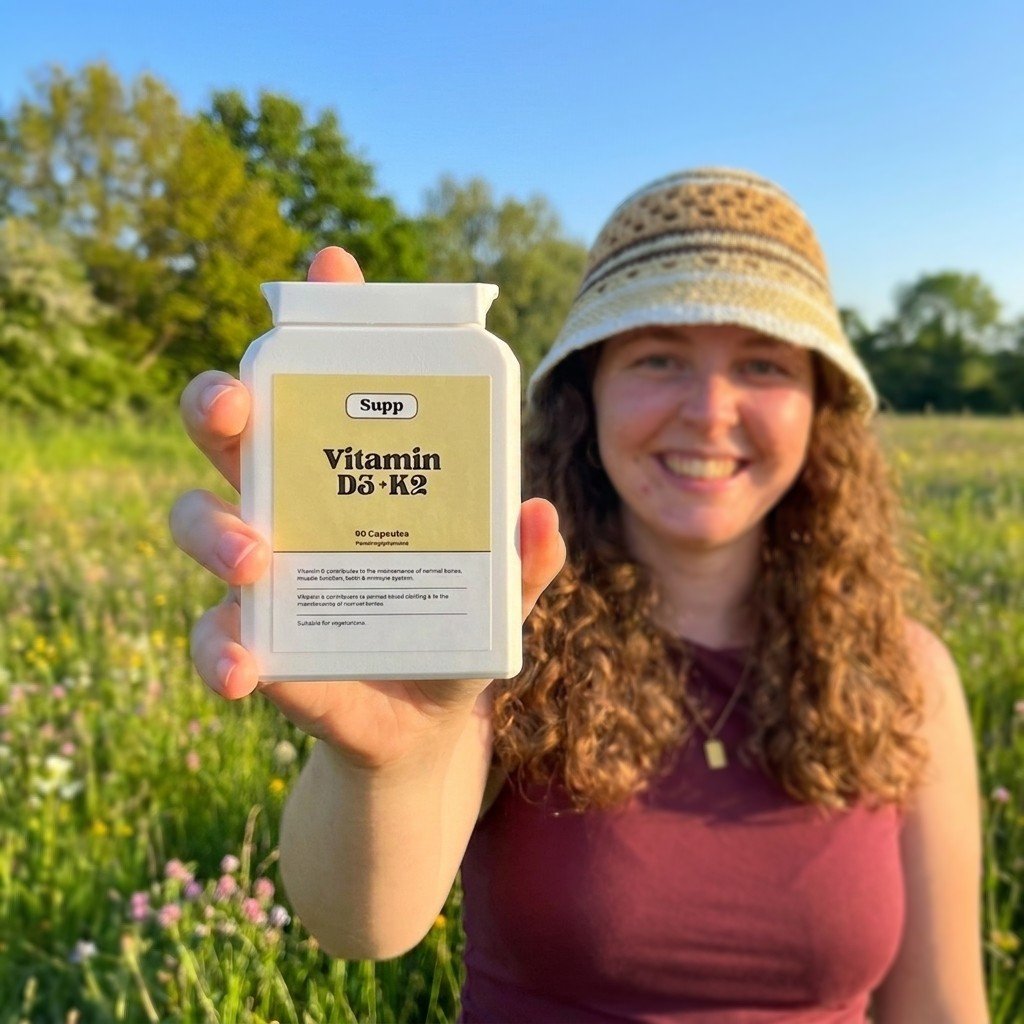
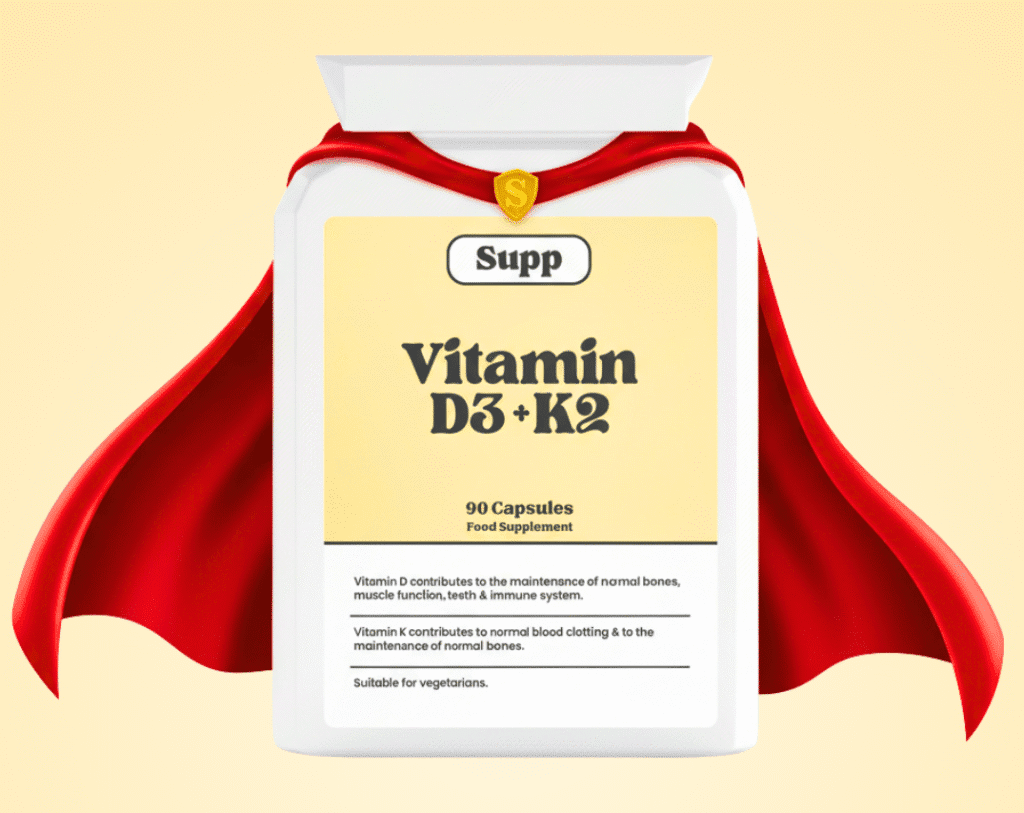
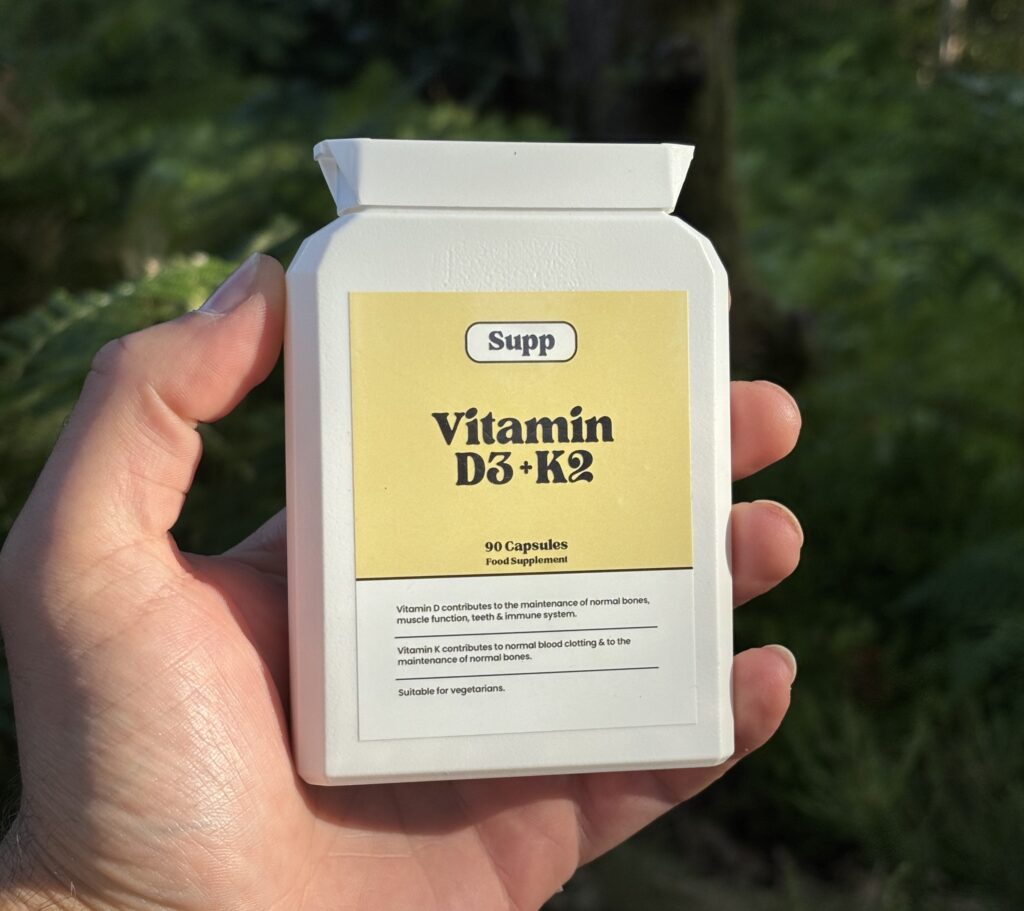
Because the UK sun simply isn’t strong enough for reliable vitamin D production between October and March, adding a daily supplement can be a helpful way to keep levels steady. Combining vitamin D3 with vitamin K2 is especially effective for supporting bone and heart health. Find out why in our blog on Vitamin D3 + K2: Why They Work Better Together for Bone & Heart Health. You can also explore our Vitamin D3 + K2 supplement for a convenient, high-quality option.
4. Keep an eye on how you feel
If your symptoms persist, like feeling run down, achy, or unusually tired, it may be worth asking for a simple blood test to check your vitamin D levels. It’s called a serum 25-hydroxyvitamin D test, and most GPs can arrange it.
Don’t worry, it’s straightforward and knowing your levels gives you something solid to work with. If you’re low, your GP or a nutrition professional can put together a targeted plan to help you get back on track. Sometimes it’s as simple as adjusting your supplement dose, adding more vitamin D-rich foods, or making a few lifestyle tweaks.
Being proactive now could save you months of feeling “off”. So if something doesn’t feel right, trust your instincts and get it checked. Your body will thank you.
5. Support your immune system
If you’re upping your winter wellness routine, consider pairing vitamin D with other supportive nutrients like olive leaf extract, known for its immune-strengthening properties. Our Olive Leaf Immunity supplement is a smart seasonal ally.
Stay Well, Stay Bright
Low vitamin D doesn’t always shout its presence, but it can quietly impact how you feel, recover, and function, especially between October and March in the UK. The good news? A few smart tweaks to your diet, habits, and supplement routine can make a meaningful difference.
Whether you’re aiming for more energy, a stronger immune system, or smoother workouts, vitamin D plays a key part. Keep an eye out for the signs, trust how your body feels, and take small, proactive steps now.
A little extra care with your vitamin D levels now can mean more energy for winter walks, a stronger immune system through sniffly season, and a brighter mood heading into Christmas, even if the weather outside is anything but.
And if you want extra support, we’ve got you:
- Vitamin D3 + K2 Supplement
- Olive Leaf Extract
- Read: Vitamin D3 + K2: Why They Work Better Together for Bone & Heart Health
Simple, science-backed nutrition to help you feel good all winter, without waiting for the sun to clock back in.
References
- UK Government & Public Health England. (2020). Vitamin D supplementation during winter.Statement from PHE and NICE on vitamin D supplementation during winter – GOV.UK
- NHS. (2023). Vitamin D: Overview. NHS Websitehttps://www.nhs.uk/conditions/vitamins-and-minerals/vitamin-d/
- Hysa E. et al. (2024). Vitamin D and Muscle Status in Inflammatory Conditions. PubMed.https://pubmed.ncbi.nlm.nih.gov/39064771/
- Ghaseminejad-Raeini A. et al. (2023). Immunomodulatory actions of vitamin D in various immune disorders. PMC.https://pmc.ncbi.nlm.nih.gov/articles/PMC10379649/
- Vos A. et al. (2017). The Synergistic Interplay between Vitamins D and K for Bone and Cardiovascular Health. PMC.https://pmc.ncbi.nlm.nih.gov/articles/PMC5613455/
- Zhang X. et al. (2001). Effect of combined administration of vitamin D3 and vitamin K2 on bone mineral density: Systematic Review. PubMed.https://pubmed.ncbi.nlm.nih.gov/11180916/
Disclaimer
This article is intended for informational purposes only and should not replace personalised medical guidance. If you’re worried about your symptoms or think you may be deficient in vitamin D, please speak to your GP or a qualified healthcare professional.