
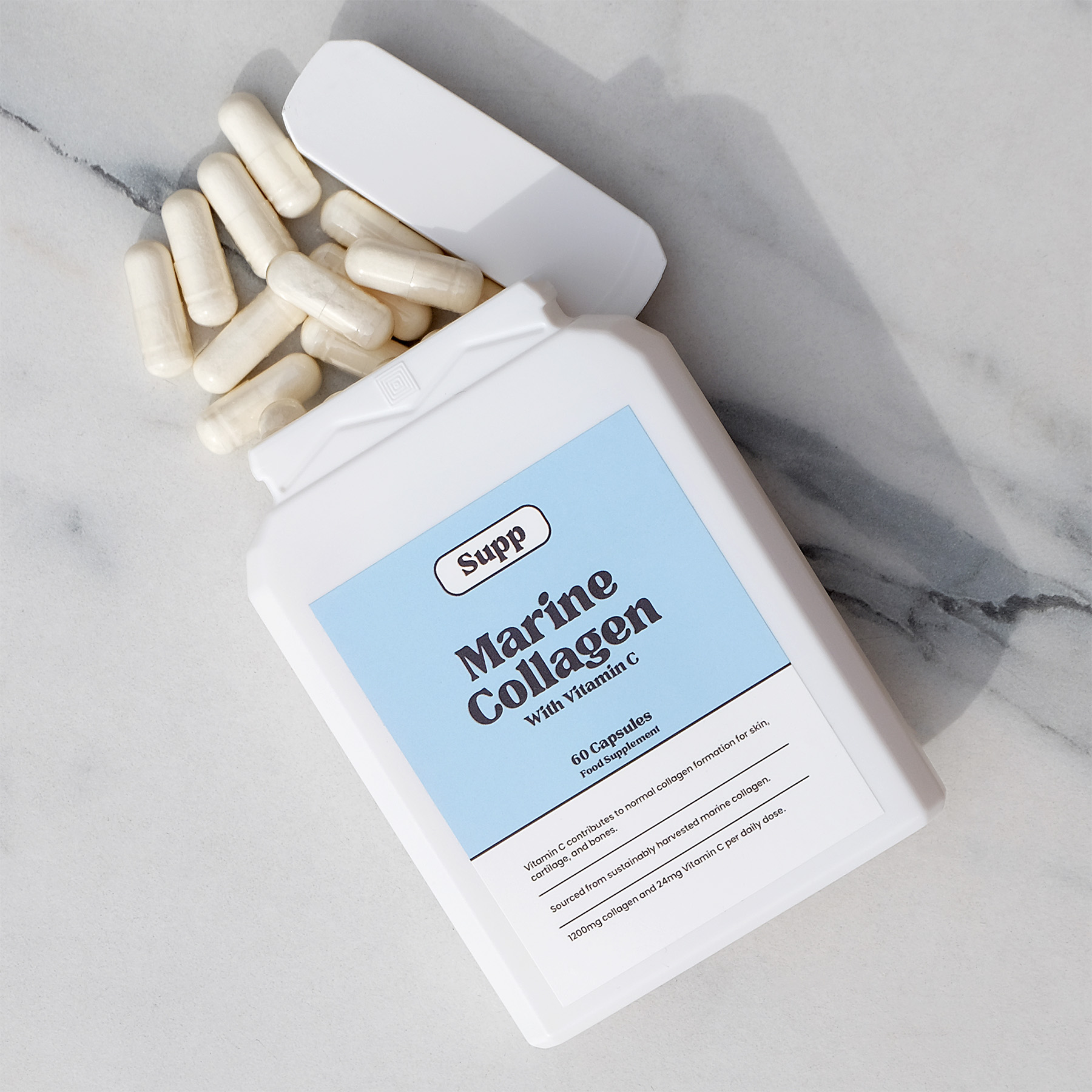



Between packed lunchboxes, early mornings, and never-ending to-do lists, modern mum life can feel like a constant juggle. Whether you’re working, raising little ones, or doing both at once (plus a dozen other things), there’s one thing that often gets pushed to the bottom of the list — your own health.
Nutrition is the foundation of energy, mood, and long-term wellbeing. Yet, busy mums are one of the groups most at risk of low nutrient intake, and often the last to give themselves the same care they give to everyone else.
Let’s talk about why that happens, what impact it has, and how small changes — including smart supplementation — can help you feel more like yourself again.
The reality: Why nutrition slips through the cracks
Let’s be honest – most mums aren’t skipping meals because they don’t know better. It’s just that real life gets in the way.
You’re feeding everyone else, rushing out the door, running late, and suddenly it’s 3pm and all you’ve had is a coffee and some crusts off a toddler’s toast.
Common reasons busy mums struggle with nutrition:
- Time pressure – meal prepping for others but not for yourself
- Low appetite or fatigue – stress can suppress hunger or motivation
- Guilt – feeling like prioritising your own needs is selfish
- Poor sleep – disrupting hunger hormones and energy levels
- Over-reliance on convenience foods – often lacking in essential nutrients
These aren’t bad habits – they’re survival strategies. But over time, they can take a real toll on your body.
What’s commonly missing? The nutrients many mums fall short on
Even with a fairly balanced diet, it’s surprisingly easy to become low in a few key areas – especially if you’re stretched thin.
Here are some of the nutrients most commonly lacking in busy mums, and why they matter:
1. Iron
Essential for energy, focus, and oxygen transport around the body. Iron is especially important for women of reproductive age, particularly post-partum or during periods.
Low iron can cause:
- Persistent tiredness
- Dizziness or light-headedness
- Brain fog
Tip: Iron is absorbed better with vitamin C. Try taking your iron supplement with a source of vitamin C, like fruit, or choose a multivitamin that includes both for better absorption.
2. Vitamin D
Living in the UK means limited sunshine for much of the year, which affects our natural vitamin D production. Add indoor lifestyles, stress, or darker skin tones — and many people are low without knowing it.
Vitamin D supports:
- Immune health
- Mood and mental wellbeing
- Muscle and bone function
Did you know? Public Health England recommends all adults consider a vitamin D supplement, especially in winter.
3. B Vitamins (especially B12 & Folate)
Feeling low on energy despite enough sleep? Low B12 could be playing a part.
B vitamins are vital for:
- Energy metabolism
- Red blood cell formation
- Nervous system health
They’re especially important for vegetarians, vegans, or those with gut absorption issues.
Tip: B vitamins are best taken in the morning — ideal for supporting energy levels throughout the day.
4. Magnesium
Stress burns through magnesium — and let’s face it, modern life is full of it.
Magnesium supports:
- Relaxation and sleep
- Muscle function
- Nerve signalling
Tip: If you’re feeling restless or struggling with sleep, try taking magnesium in the evening to support relaxation and improve sleep quality.
5. Omega-3
Known for its benefits to:
- Brain function
- Skin health
- Heart and inflammation regulation
Tip: If you don’t eat oily fish regularly, an omega-3 supplement like green-lipped mussel can help support brain, skin, and joint health.
What this actually feels like day-to-day
These aren’t just numbers on a nutrition label. When your body is undernourished, even slightly, you might experience:
- Tiredness that doesn’t go away with rest
- Mood swings or feeling overwhelmed more easily
- Cravings and energy crashes
- Dull skin, hair thinning, or brittle nails
- Poor recovery after illness or exercise
- Sleep that’s broken or unrefreshing
It’s easy to think, “this is just part of being a mum.” And yes – motherhood is tiring. But some of that exhaustion may be avoidable with the right support.
Small changes, real results: How to get your nutrition back on track
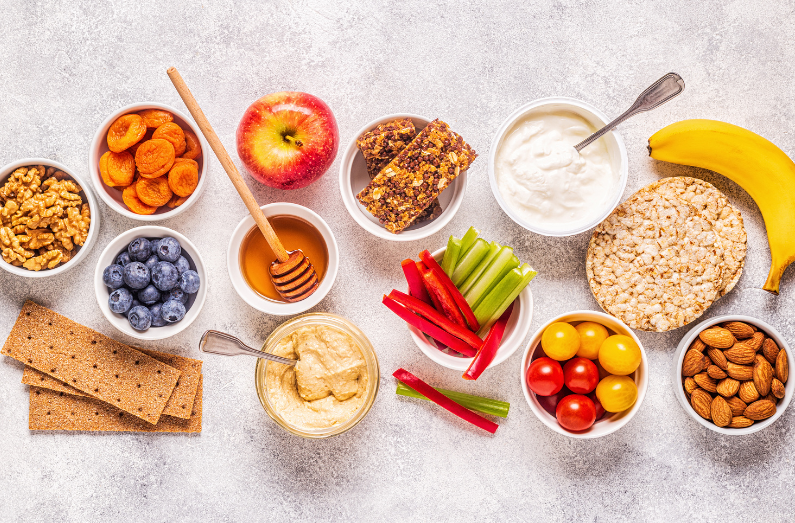
The good news? You don’t need to overhaul your entire life to start feeling better. It’s about stacking small habits that work in your real routine.
Keep healthy snacks on hand
Nuts, boiled eggs, fruit, oat bars, yoghurt – quick wins when you’re on the go.
Eat enough protein
Protein keeps you fuller for longer, stabilises blood sugar, and supports tissue repair. Add a protein-rich snack between meals or with breakfast (think Greek yoghurt, eggs, protein smoothies).
Hydrate
Fatigue is often dehydration in disguise. Keep a water bottle near you, especially during busy mornings or while breastfeeding.
Supplement
Supplements aren’t a shortcut – they are a tool. They can fill the gaps when you’re short on time, skip meals, or need extra support.
What supplements are helpful for busy mums?
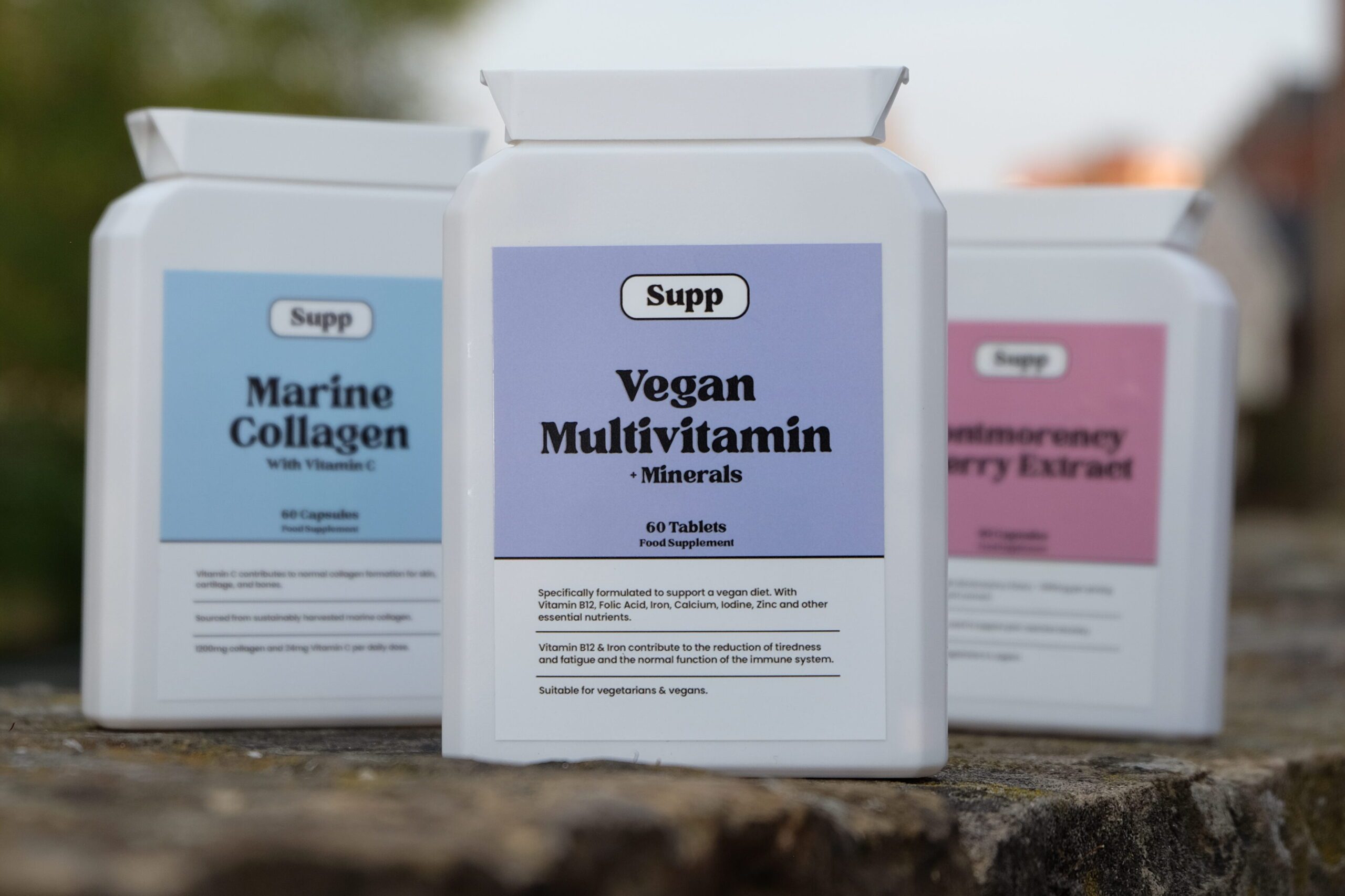
Here are some of the most supportive options – based on common deficiencies:
A quality multivitamin
A daily multivitamin can act as a safety net — covering the basics and making sure you’re not falling behind on essential nutrients.
Iron + Vitamin C
If your energy feels low or you’re postpartum, this combo helps restore your iron stores and support immunity.
Magnesium or Montmorency cherry
Both magnesium and Montmorency Cherry can support better sleep and muscle relaxation — ideal for recovery and wind-down.
Omega-3 (EPA/DHA)
Brain fog? Dry skin? Low omega-3 levels can make a real difference to mental clarity and skin health. If you’re not getting enough through diet, try adding a high-quality source like Green Lipped Mussel to your routine.
Marine Collagen
If you’re dealing with postpartum hair thinning or want to support your skin and joints, collagen may help support long-term tissue regeneration and appearance.
Final word: Looking after yourself isn’t selfish
This isn’t about perfection. It’s about giving your body the basics it needs to support everything you’re already doing.
You’re not “just tired” because you’re a mum. You might be running on empty – and that’s something we can change.
By making small shifts, fuelling your body, and giving yourself permission to prioritise your own wellbeing, you’re setting yourself up to feel more energised, more present, and more like you again.
And remember: you deserve to feel good. Not just for your family – but for yourself!
We make it easier to put your health first – even on the busiest days. Because mums need looking after too!
Disclaimer: This article is for informational purposes only and should not replace personalised medical advice. Always consult a healthcare professional before beginning any new supplement routine.