

In our fast-paced modern lives, even those who eat a healthy diet can find themselves falling short on essential vitamins and minerals. While multivitamins aren’t a cure-all, they can provide helpful nutritional support – especially when subtle signs of deficiency go unnoticed.
Below, we explore seven common signs that could indicate you’re not getting enough of the essential nutrients your body needs. If you recognise any of these, it may be worth reviewing your diet – and considering whether a quality multivitamin could help fill the gaps.
1. Constant Fatigue or Low Energy

If you’re frequently feeling tired despite getting adequate sleep, it could be a sign of low levels of certain micronutrients. Iron is a common culprit, especially for women of reproductive age. Iron helps carry oxygen in your blood, and low levels can lead to anaemia and chronic fatigue.
Other nutrients like B vitamins (particularly B12, B6, and folate) also support energy metabolism. These help your body convert food into usable fuel. A deficiency in these can leave you feeling flat, foggy, or physically drained.
Wellness tip: Many multivitamins contain iron (such as ferrous fumarate) and a full B-vitamin complex, helping to restore natural energy levels over time.
2. Weak Immune Function
If you often catch colds or feel run down, it could be your immune system signalling a nutrient shortfall. Vitamin C, vitamin D3, and zinc are all crucial for immune health.
Vitamin C (ascorbic acid) supports the function of white blood cells, while vitamin D helps regulate immune responses. Zinc, meanwhile, plays a role in the production and activation of immune cells.
Wellness tip: A well-rounded multivitamin can help top up levels of vitamin C, vitamin D3, and zinc citrate, especially during colder months when immunity is often compromised.
3. Brittle Hair and Nails
Noticeable changes to your hair and nails – like increased breakage, thinning, or slow growth – may point to a lack of essential nutrients. Biotin (vitamin B7), selenium, and zinc are all important for maintaining healthy hair and nails.
Biotin supports keratin production, the structural protein in your hair and nails. Selenium plays a role in preventing cellular damage, while zinc supports tissue growth and repair.
Wellness tip: Look for multivitamins that include biotin, selenium (such as L-seleno methionine), and zinc for overall hair and nail health.
4. Muscle Cramps or Tingling Sensations
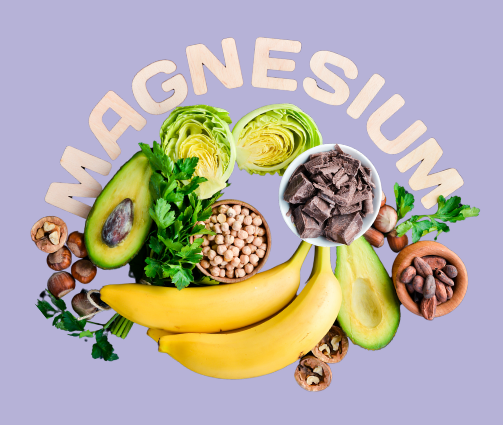
Frequent muscle cramps, spasms, or tingling in your hands and feet could be linked to a deficiency in calcium, magnesium, or vitamin D.
These nutrients are involved in nerve conduction and muscle function. Calcium and magnesium work together to regulate muscle contractions, and vitamin D helps your body absorb calcium more effectively.
Wellness tip: Multivitamins with calcium carbonate and citrate, magnesium citrate, and vitamin D3 can help maintain muscular and nervous system health.
5. Poor Bone Health or Joint Pain
Bone health is often overlooked until problems like pain or reduced mobility emerge. Calcium, vitamin D3, and vitamin K2 are key players in supporting strong bones and joints.
Vitamin D3 helps your body absorb calcium, while vitamin K2 directs calcium to the bones where it’s needed and away from arteries where it can cause harm. Magnesium also plays a role in maintaining bone density.
Wellness tip: A multivitamin containing calcium, magnesium, D3, and K2 (in the form of menaquinone K7) supports the foundations of bone health.
6. Cognitive Fog or Difficulty Concentrating
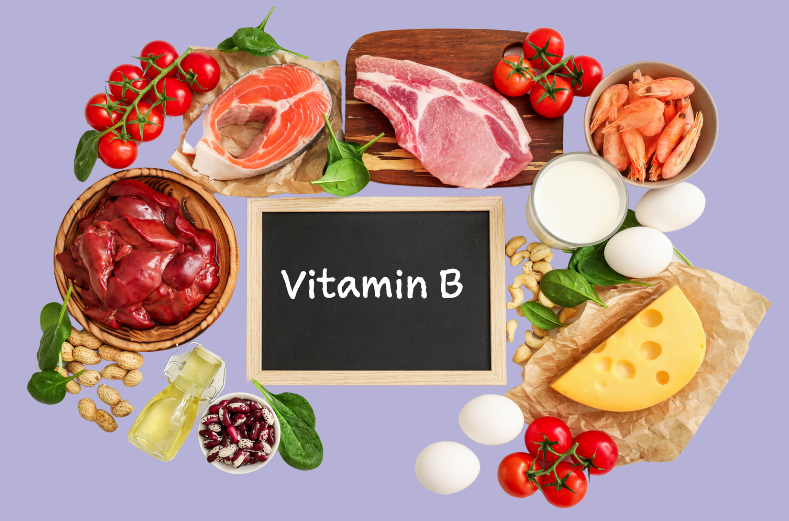
Struggling with memory, focus, or mood swings? While these symptoms can have many causes, certain micronutrient deficiencies may be contributing.
B vitamins, particularly B12 and B6, are vital for brain function and neurotransmitter production. Low levels can affect mood, memory, and even contribute to symptoms of depression.
Iron and zinc are also important for cognitive performance, especially in younger adults and during times of high mental demand.
Wellness tip: Multivitamins that include thiamin, riboflavin, B6, B12, folic acid, and iron may provide gentle support for brain and mood function.
7. Pale Skin or Easy Bruising
Pale skin or a tendency to bruise easily may indicate a lack of essential nutrients involved in blood production and skin repair.
Iron and vitamin C are both needed to form healthy red blood cells and maintain skin integrity. A deficiency in vitamin C can weaken collagen production, leading to more visible bruising.
Vitamin A and E also play a role in skin repair and protection against oxidative stress.
Wellness tip: Multivitamins that include iron, vitamin C, vitamin A, and vitamin E (dl-alpha tocopherol acetate) can help support skin health from within.
A Note on Nutrient Absorption
Even if you’re eating a balanced diet, your body might not always absorb nutrients as efficiently as you’d expect. Factors like age, stress, certain medications, and digestive health can all affect how well your body takes in and uses essential vitamins and minerals.
Take magnesium, for example. Not all forms are absorbed equally. Magnesium citrate is one of the most bioavailable types, meaning it’s more easily absorbed and used by the body than alternatives like magnesium oxide. This makes it a particularly effective option for supporting muscle function, energy production, and overall wellbeing.
Vitamin D absorption can also be a challenge—especially in places like the UK, where limited sunlight makes it difficult to meet daily requirements through sun exposure alone. In these cases, a supplement can be a reliable way to maintain healthy levels year-round.
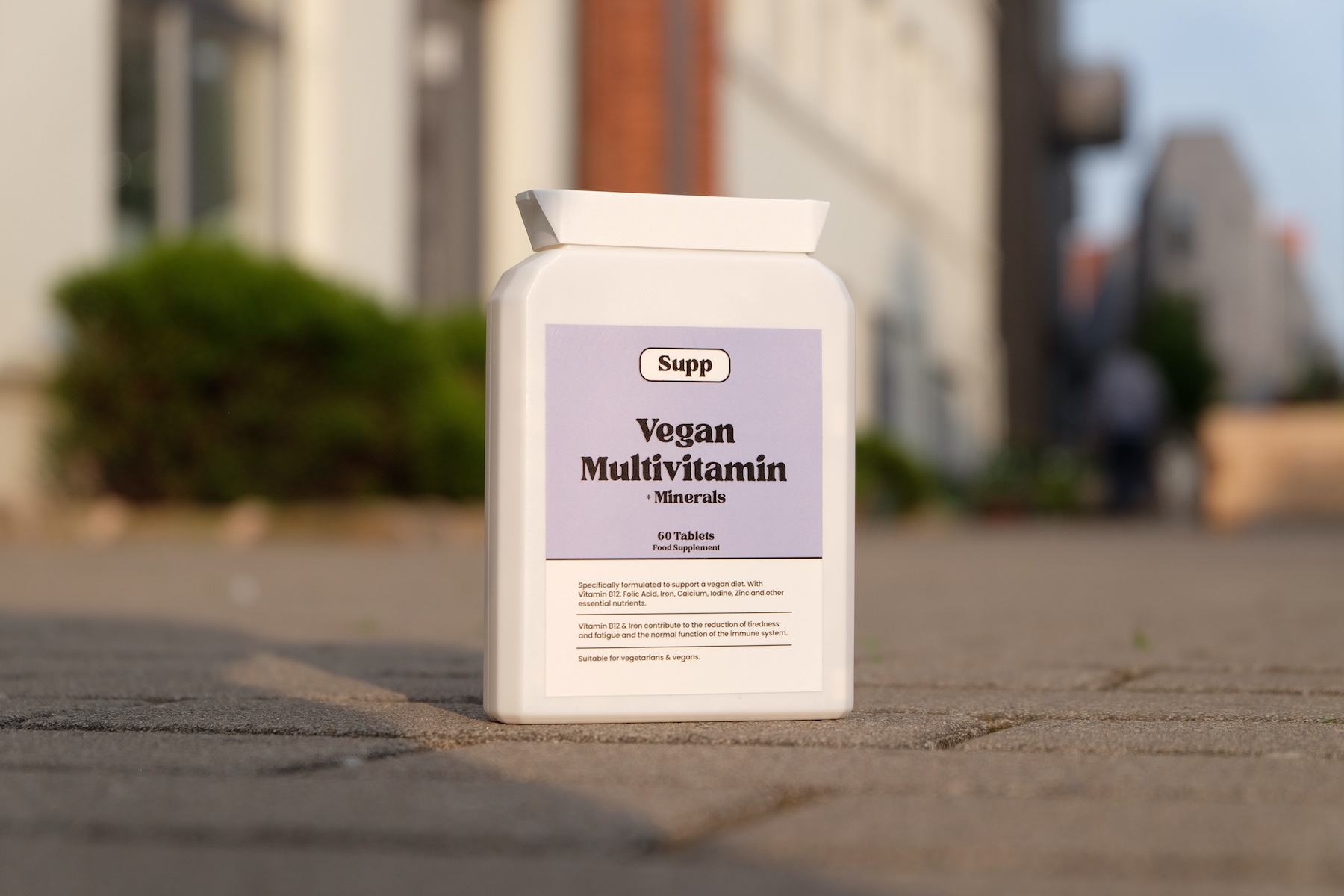
Similarly, vegetarian or low-meat diets may not provide adequate amounts of nutrients like iron, vitamin B12, and zinc, which are found most abundantly in animal products. For those following plant-based diets, supplementation may be a helpful way to cover potential gaps.
Final Thoughts
While individual symptoms don’t always point to a deficiency, if you’re experiencing several of the signs above, it might be worth exploring your nutrient intake more closely.
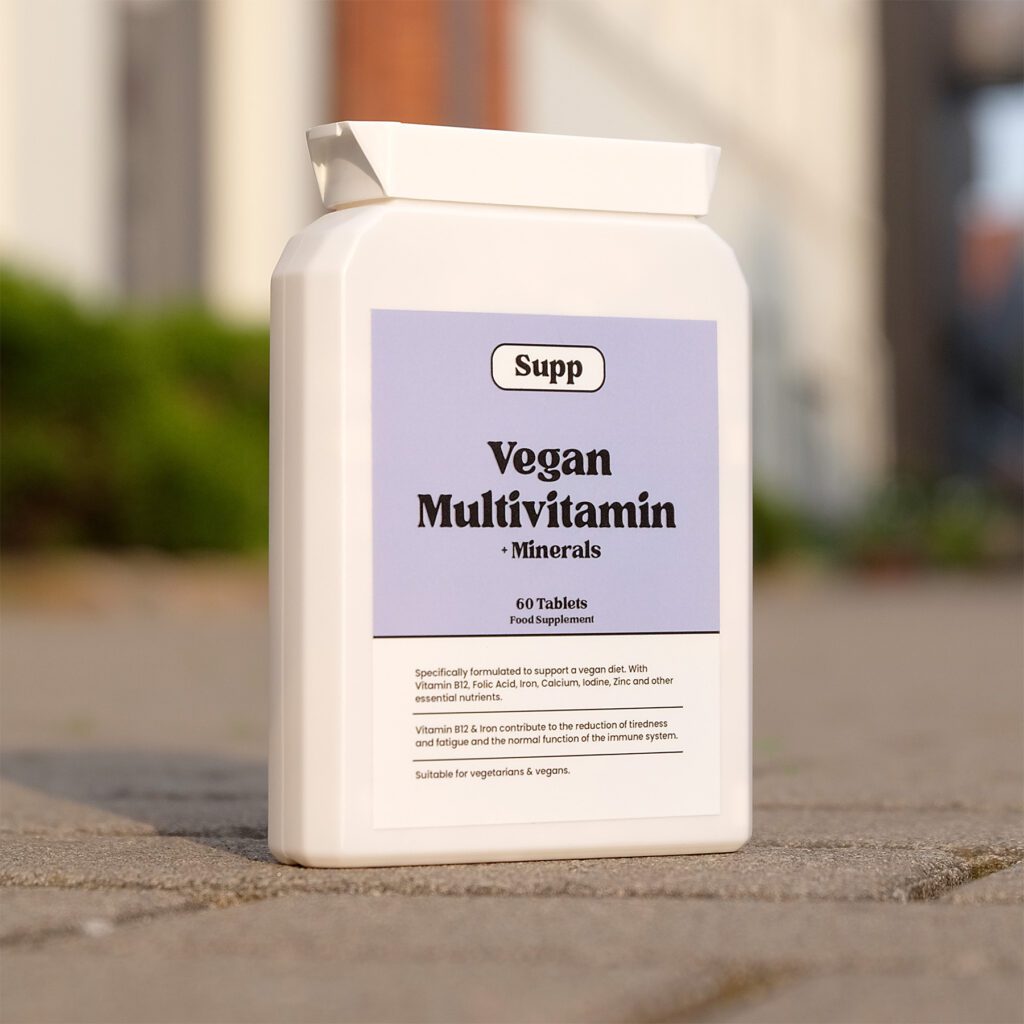
A high-quality multivitamin, paired with a balanced, nutrient-rich diet, can help provide peace of mind and support overall wellbeing – especially when your lifestyle or diet makes it difficult to meet all your needs through food alone.
If in doubt, speak to your GP or a registered nutritionist to explore whether supplementation is right for you.
Disclaimer: This article is for informational purposes only and should not replace personalised medical advice. Always consult a healthcare professional before beginning any new supplement routine.