


If you’ve ever searched for natural ways to support better sleep, chances are magnesium has come up more than once. It’s a mineral that plays a vital role in hundreds of bodily functions, including those linked to rest and relaxation.
But is magnesium actually good for sleep? And if so, which magnesium is best for sleep and anxiety? In this guide, we’ll break it down in clear, practical terms so you can make an informed choice.
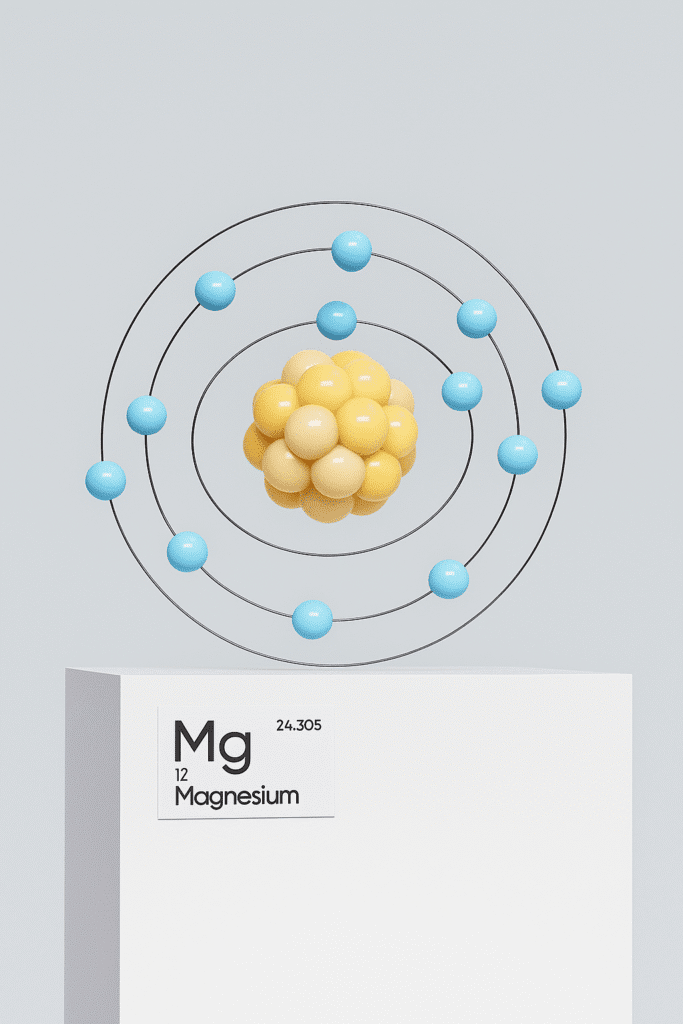
Is Magnesium good for sleep?
Magnesium contributes to normal psychological function and helps support the nervous system, which makes it a popular option for those seeking a sense of calm before bed. It also contributes to the reduction of tiredness and fatigue, making it a useful part of a sleep-supporting routine.
In short: yes, magnesium may support better sleep, particularly if your sleep challenges are linked to stress, muscle tension, or low magnesium intake.
Which Magnesium is best for sleep?
Not all magnesium supplements are created equal. The form of magnesium you choose matters—different types are absorbed and used by the body in different ways.
Here are some of the most common types linked to sleep and relaxation:
1. Magnesium Glycinate
This form combines magnesium with the amino acid glycine, which has its own calming properties. Magnesium glycinate is often considered the best magnesium for sleep and anxiety, thanks to its gentle nature and support for the nervous system.
2. Magnesium Citrate
Magnesium citrate is well absorbed and can support relaxation, but it also has a mild laxative effect in some people. It’s a good all-rounder but may not be the top choice if your main goal is deep, undisturbed sleep.
3. Magnesium L-Threonate
This newer form is often highlighted for its ability to cross the blood-brain barrier, which may make it helpful for mental clarity and cognitive calm. While evidence is still emerging, it’s gaining interest for both sleep and focus.
When to take Magnesium for sleep
Timing matters. Magnesium supplements are best taken in the evening, around 1–2 hours before bedtime, so the calming effects can kick in as you wind down.
You can also pair magnesium with a consistent wind-down routine (think: less screen time, a warm bath, or herbal tea) to support your body’s natural sleep rhythms.
Which Magnesium is best for sleep and anxiety?
If you’re looking to support both sleep and anxiety, magnesium glycinate is often the preferred choice. It’s gentle on the stomach, non-sedating, and supports normal psychological and nervous system function.
As always, everyone responds differently, so if you’re new to magnesium, start with a lower dose and see how your body reacts.
Final thoughts
Magnesium isn’t a magic sleep solution—but for many people, it can be a valuable part of a calming evening routine. Choosing the right form, taking it at the right time, and using it consistently may help you feel more settled at night and more refreshed in the morning.
Always consult your health practitioner before adding a new supplement to your routine, especially if you’re taking medication or managing a health condition.
References:
Magnesium‑L‑threonate Improves Sleep Quality in Adults
A randomised, double‑blind, placebo‑controlled trial in adults (35–55 years) showed that 1 g/day of magnesium‑L‑threonate over 21 days enhanced deep and REM sleep, plus improved mood, energy and alertness. https://pubmed.ncbi.nlm.nih.gov/39252819
Effect of Magnesium on Primary Insomnia in Elderly Subjects
In a double‑blind RCT, 500 mg/day of magnesium for 8 weeks significantly improved sleep onset latency, sleep efficiency, insomnia severity and increased melatonin while reducing cortisol in older adults. https://pubmed.ncbi.nlm.nih.gov/23853635/
Systematic Review of Dietary Magnesium and Sleep
This systematic review of observational and interventional studies (7,582 subjects) found that higher magnesium status is associated with better sleep quality. https://pubmed.ncbi.nlm.nih.gov/35184264/