

Ingredient Information
Summary
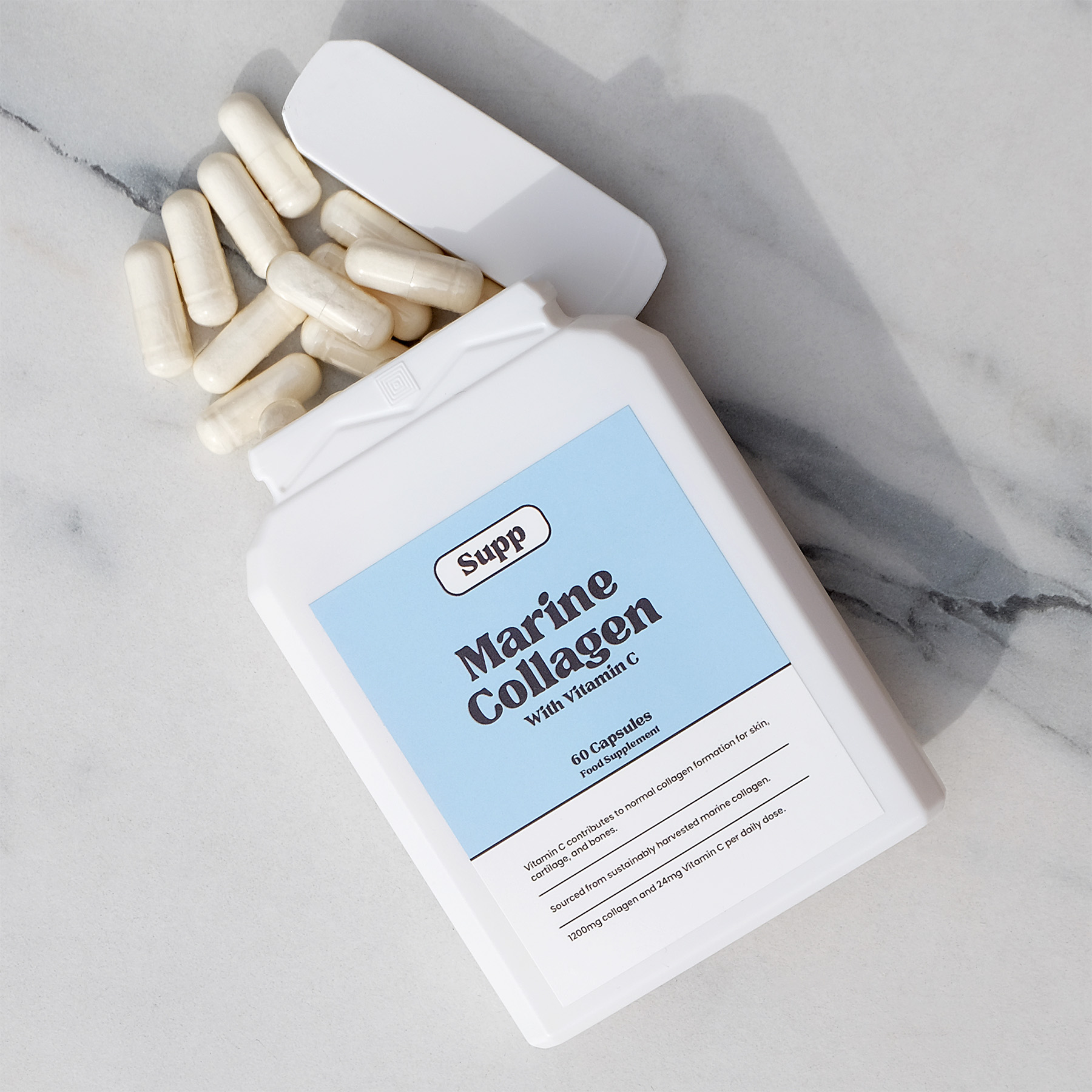
Marine Collagen is a protein derived from the skin and scales of fish. It is known for its role in supporting skin elasticity and hydration, contributing to the maintenance of normal skin. Often used in supplements, it can be beneficial for those looking to support their skin health, particularly as they age. Additionally, it may aid in maintaining normal joint function. Marine Collagen is suitable for individuals seeking a pescatarian-friendly option, as it is sourced from fish rather than bovine (cow) or porcine (pig) sources.
Key Facts
- Type: Protein
- Natural source: Fish skin and scales
- Typical supplemental dose: 1,000-5,000 mg
- Used for: Skin health and joint support
- First discovered/isolated: 1985
What Is Marine Collagen?
Marine Collagen, also known as fish collagen, is a type of protein derived from the skin, scales, and bones of fish. Its chemical name is collagen hydrolysate, and it is classified as a protein supplement. The empirical formula for collagen is (C2H3O)n, though it varies due to its complex structure. Typically, it appears as a fine, white powder. Marine Collagen is sourced through the hydrolysis of fish by-products, breaking down the protein into smaller peptides for easier absorption. It contributes to normal skin elasticity and joint function, making it a popular choice for those seeking to support their skin and joint health.
How It Works In The Body
Marine Collagen provides the body with amino acids, which are the building blocks for collagen production. It contributes to normal skin elasticity and joint function by supporting the structure of skin and connective tissues. As we age, our natural collagen production decreases, so supplementing can help maintain these functions.
Safety & Interactions
- Marine Collagen is generally recognised as safe when consumed in typical supplement amounts.
- Individuals with fish or shellfish allergies should avoid Marine Collagen, as it is derived from these sources.
- Pregnant or breastfeeding women should consult a healthcare professional before using Marine Collagen supplements.
- There is no specific UK upper intake level for Marine Collagen, but it should be consumed as part of a balanced diet.
- Excessive consumption may lead to digestive discomfort, such as bloating or diarrhoea.
Always consult your health practitioner before taking nutritional supplements, especially if you are taking medication or are under medical supervision. You should not take supplements as a substitute for a varied balanced diet or healthy lifestyle.
FAQs
What is marine collagen?
Marine collagen is a protein derived from fish skin and scales. It contributes to the maintenance of normal skin, hair, and nails by providing essential amino acids.
How do I take marine collagen?
You can take marine collagen in a capsule form or as a powder mixed with water. Follow the recommended dosage on the product label.
Is marine collagen suitable for vegetarians?
No, marine collagen is not suitable for vegetarians as it is sourced from fish.
Where is your Marine Collagen Sourced from?
Our collagen is derived from a mix of responsibly sourced farmed and wild-caught fish. Where wild fish are used, they come from non-endangered species to support sustainable sourcing. The raw material is Friend of the Sea certified, providing independent assurance that recognised environmental standards are met. As availability varies, the exact fish species may change over time, but all materials must meet strict quality, safety, and environmental criteria before use.
References
1. https://pubmed.ncbi.nlm.nih.gov/38667776/
Unlocking the therapeutic potential of Marine Collagen, emphasizing its anti-aging benefits, role in minimizing oxidative stress, and applications in skin and bone regeneration.
2. https://pmc.ncbi.nlm.nih.gov/articles/PMC8780088/
Marine Collagen enhances skin elasticity, reduces wrinkles, and is beneficial for bone tissue engineering and cartilage formation due to its high biocompatibility.
3. https://pubmed.ncbi.nlm.nih.gov/32799362/
A 12-week study found Marine Collagen significantly reduced wrinkles and improved skin elasticity in women aged 45–60.
Our products that contain Marine Collagen
Where next?
Information on this page is for educational purposes only and is not a substitute for personalised medical advice. Always consult a healthcare professional before making dietary changes or starting new supplements.